


Transforming Your Defender for Outside Adventures
August 29, 2024
Taking your Classic Land Rover Defender on the Road – What is the Optimal Wheel and Tire Setup for Everyday Driving
September 19, 2024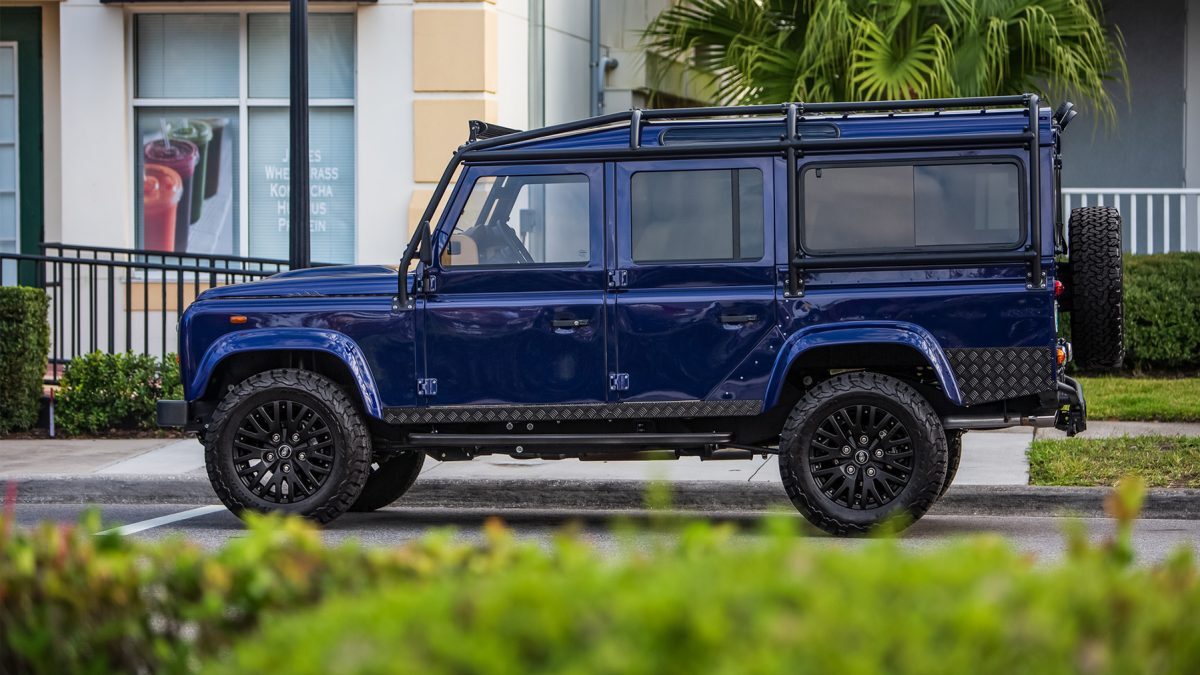
The market for old classic SUVs has never been more vibrant than it is today. Modern drivers continue to rediscover the rugged charm, mechanical simplicity, and timeless styling of these vintage machines. While today’s SUVs emphasize luxury, high-tech comfort, and advanced safety features, the earliest models were designed around durability, capability, and everyday practicality. As enthusiasts look back on decades of innovation, the demand for old SUVs has grown into an international movement driven by nostalgia, craftsmanship, and a desire for adventure.
Below is a deeper look at how old SUVs evolved, why they remain so popular, and which iconic models helped shape the SUV landscape into what it is today.
Key Takeaways
-
Older SUVs combine rugged engineering with timeless design, creating a driving experience that modern vehicles rarely replicate.
-
Many classic 4x4s from the 1960s through the 1990s set the foundation for luxury, capability, and off-road performance.
-
Interest in old SUVs continues to grow due to their character, rebuild potential, and nostalgic appeal, making them popular among collectors and adventure enthusiasts.
The Origins of Old SUVs and How They Shaped Today’s Market
Before luxury interiors and digital dashboards, SUVs had a different purpose. The earliest old SUVs were built to handle harsh terrain, haul equipment, transport families, and perform tasks that traditional sedans simply could not manage.
From Utility Workhorses to Lifestyle Vehicles
In the 1940s and 1950s, SUVs were primarily tools. Brands focused on:
-
Simple mechanical systems
-
Strong chassis construction
-
Reliability in demanding environments
-
Minimal interior amenities
By the 1960s and 1970s, drivers began using SUVs not only for work, but also for recreation. Road trips, camping adventures, and off-road exploration helped popularize these vehicles in new ways. This shift initiated the golden age of old SUVs, where capability was matched with improving comfort.
The Shift Toward Comfort in the 1980s and 1990s
As the decades progressed, manufacturers began blending utility with refinement. Leather seating, air conditioning, power accessories, and upgraded suspensions transformed SUVs into well-rounded vehicles suitable for families and daily commuting. The 1990s, especially, were a turning point, solidifying the SUV as a mainstream choice and laying the foundation for the luxury SUV market we know today.
Iconic Old SUVs That Defined a Generation
Below are some of the most influential old SUVs that helped shape modern expectations for capability, comfort, and style.
1. Land Rover Defender: The Original Icon of Durability
The Land Rover Defender began as a straightforward, military-inspired utility vehicle. Its earliest forms, known as Series I, II, and III, were used on farms, in remote regions, and anywhere reliable transportation was needed.
What Made the Defender Stand Out
-
Signature boxy shape
-
Strong ladder-frame construction
-
Coil-spring suspension for off-road comfort
-
Engine options suited for rugged environments
Even today, the Defender remains one of the most recognizable old SUVs in the world. Its silhouette alone evokes exploration, endurance, and timeless design.
2. Range Rover Classic: The First True Luxury SUV
Introduced in 1970, the Range Rover Classic revolutionized the SUV market by proving that off-road strength and upscale comfort could coexist.
Why the Range Rover Classic Was Revolutionary
-
First SUV with permanent four-wheel drive
-
Attractive styling with upscale materials
-
Smooth V8 engine options
-
Pioneering features like anti-lock brakes, traction control, and high-end interior finishes
This vehicle set the template for future luxury SUVs and remains a favorite for enthusiasts who appreciate refinement wrapped in classic British design.
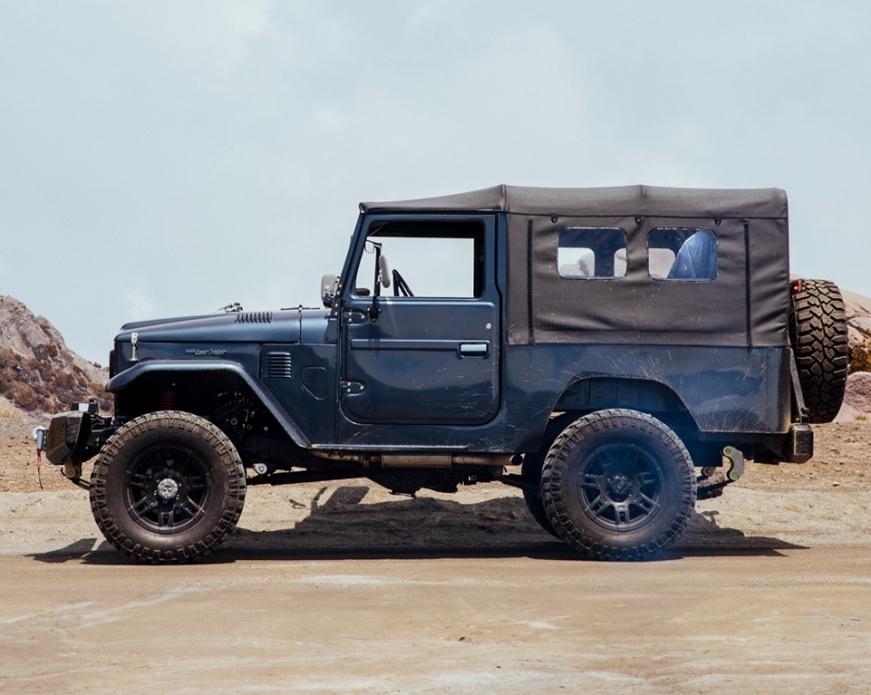
3. Toyota FJ40: Rugged, Affordable, and Unstoppable
The Toyota FJ40 offered buyers an affordable alternative to more expensive competitors while still delivering exceptional capability.
Key Features of the FJ40
-
Inline-six engine known for reliability
-
Simple, utilitarian construction
-
Distinctive round headlights and flat fenders
-
Strong off-road performance
Many collectors consider the FJ40 one of the most dependable classic SUVs ever built, and restored examples continue to reach high demand among off-road enthusiasts.
4. Jeep Wagoneer: The First Luxury SUV
Long before luxury SUVs became a standard category, the Jeep Wagoneer was already blending comfort and utility.
Innovations That Made the Wagoneer Special
-
Automatic transmission
-
Power steering
-
Spacious cabin
-
V8 engine options
-
Premium trim offerings
When the Grand Wagoneer launched in the 1980s with leather seating, wood-grain paneling, and advanced features for its time, it further cemented its status as a pioneer in upscale SUV design.
5. Ford Bronco: America’s Off-Road Icon
Classic Broncos are beloved for their rugged feel and playful versatility. They captured the spirit of outdoor adventure for generations of drivers.
What Made the Bronco a Legend
-
Compact size with excellent maneuverability
-
Removable top and doors
-
Durable construction suitable for trails or city driving
-
Strong cultural following
The Bronco’s enduring legacy has only grown following its recent reintroduction to the automotive market.
6. Chevrolet Blazer: Open-Air Freedom With Classic Muscle
The Chevrolet Blazer entered the market in 1969 and quickly gained a strong following due to its bold design and powerful personality.
Why Drivers Loved the Blazer
-
V8 engine power
-
Removable roof for open-air driving
-
Strong 4-wheel-drive capability
-
Durable construction
The Blazer is often celebrated as one of America’s most adaptable old SUVs, offering both comfort and capability.
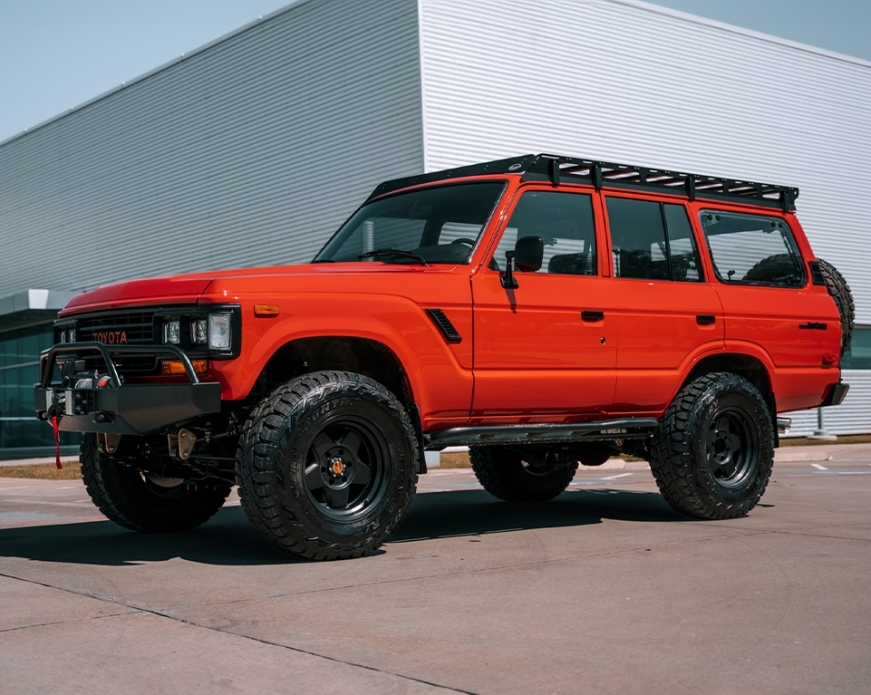
7. Toyota FJ60: A Classic Built for Everyday Use
In the 1980s, Toyota introduced the FJ60 to meet the needs of families who wanted the reliability of an old-school off-roader with the comfort required for daily driving.
The FJ60’s Key Improvements
-
Longer wheelbase for more interior room
-
Upgraded seating and sound insulation
-
Air conditioning and refined interior materials
-
Dependable drivetrain rooted in FJ40 heritage
Its balance of utility and comfort makes it a favorite for drivers who want a classic SUV they can use regularly.
Classic SUVs and Their Lasting Legacy
The decades stretching from the 1960s through the 1990s were transformative years for the SUV market. What began as raw, utilitarian machines evolved into capable, stylish vehicles designed for both adventure and everyday comfort. As interest continues to rise, old SUVs remain a symbol of exploration, freedom, and mechanical honesty.
Collectors and enthusiasts appreciate these vehicles not only for their heritage but also for their potential to be restored into something truly unique. Whether kept original or rebuilt with modern upgrades, old SUVs maintain a charm that newer models simply cannot replicate.
Old Classic SUV FAQs
Why are old SUVs so popular today?
Old SUVs have a charm that modern vehicles cannot fully recreate. Their simple mechanical systems, distinctive styling, and durable construction make them appealing to collectors and drivers who appreciate authenticity. Many classic SUVs can be restored and upgraded with modern amenities, blending vintage looks with improved comfort and reliability. As demand grows for unique, character-filled vehicles, old SUVs continue to rise in popularity.
Are old SUVs good for off-roading?
Most old SUVs were originally designed for rugged environments. Models like the Land Rover Defender, Toyota FJ40, and Ford Bronco were built with strong frames, capable suspension setups, and torquey engines that could handle dirt, gravel, mud, and steep terrain. With proper maintenance or restoration, these vehicles remain excellent off-road platforms.
Which old SUV is the most reliable?
Reliability depends on maintenance history and condition, but several old SUVs have strong reputations. The Toyota FJ40 and FJ60 are praised for their long-lasting engines and straightforward construction. Many Jeep and Land Rover models are also dependable when properly restored or maintained. Ultimately, reliability improves dramatically when modern upgrades, refreshed wiring, and rebuilt components are added.
Are old SUVs good investments?
Yes. The market for vintage SUVs has grown significantly, with certain models appreciating rapidly. Early Land Rover Defenders, classic Broncos, Range Rover Classics, and Toyota FJ40s often see rising values, especially when restored. Because many old SUVs are limited in supply and high in demand, they can be strong long-term investment vehicles.
FREQUENTLY ASKED
QUESTIONS
No FAQs configured yet.