



For decades, the appeal of classic cars was tied almost entirely to nostalgia. Enthusiasts admired the design, the craftsmanship, and the cultural history behind vehicles that defined entire generations. Yet many owners quietly accepted one reality that came with vintage machines. Driving them every day was not always easy.
Reliability, performance, and comfort often lagged behind modern expectations.
Today, that dynamic is changing in a meaningful way. The rise of modern engines inside classic platforms is quietly reshaping the market for restored vehicles. Instead of choosing between heritage and usability, buyers are discovering they can have both.
This shift is one of the driving forces behind the growing popularity of restomod builds.
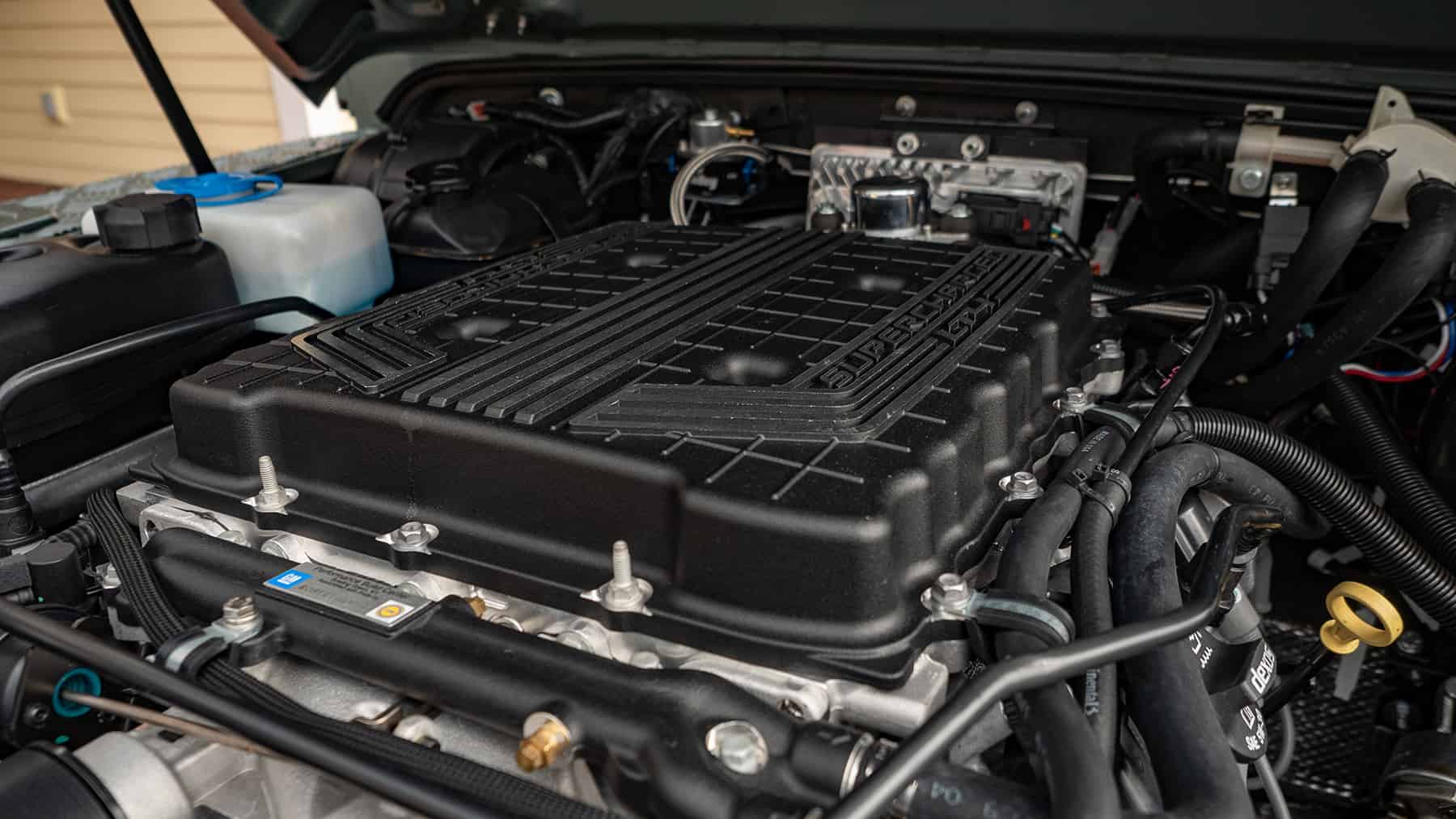
Modern engines like the LS3 and LT1 have become common choices for builders who want to maintain the visual character of a classic vehicle while dramatically improving how it performs on the road. These powerplants offer better reliability, improved fuel management, smoother drivability, and significantly more power than many original engines produced decades ago.
The result is a different kind of ownership experience.
Take the classic Mustang as an example. Early Mustangs are icons of American performance history, but many original engines were designed in an era with different engineering standards. A restomod Mustang equipped with a modern LS3 engine delivers a completely different driving feel. Acceleration becomes sharper, highway cruising becomes smoother, and maintenance becomes far more predictable.
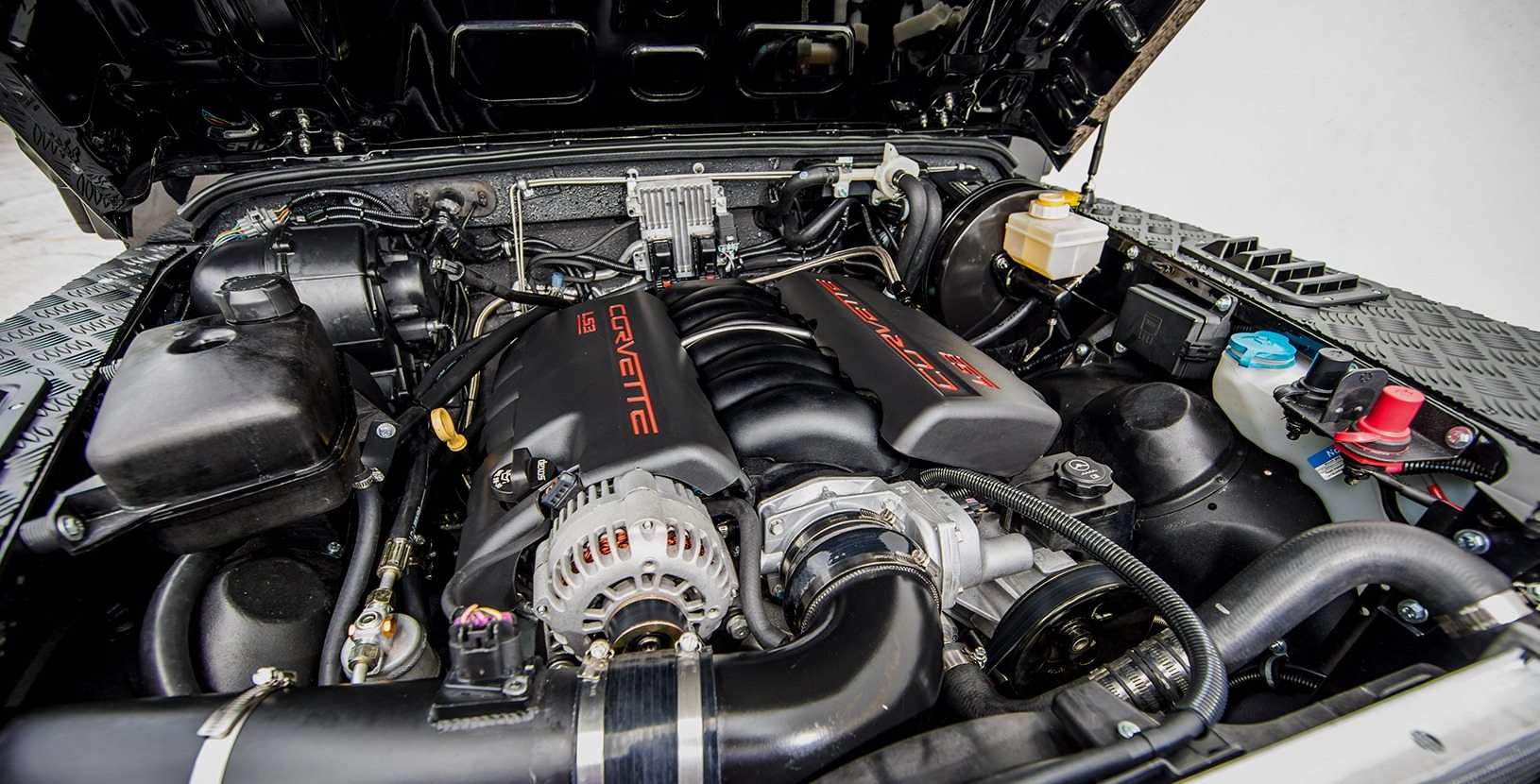
custom land rover defender ls3 engine
The vehicle still looks like a classic Mustang, but it behaves like a modern performance car.
A similar transformation is happening within the world of restored Land Rover Defenders. The Defender has always been admired for its rugged capability and unmistakable design. However, original diesel and petrol engines were never known for refinement. Today, many Heritage Defender builds feature modern V8 drivetrains that bring a new level of responsiveness and drivability to the platform.

Drivers gain the charm of a vintage 4x4 without sacrificing the power expected from a contemporary vehicle.
Even vehicles known more for elegance than off road capability are part of this evolution. The Jaguar E Type has long been considered one of the most beautiful cars ever produced. While its original engine helped establish its reputation, modern drivetrain upgrades are giving owners the opportunity to enjoy the car more frequently.
Improved reliability, smoother throttle response, and modern cooling systems make long drives far more practical than they once were.

These changes are influencing buyer behavior in a significant way. A growing number of collectors are not looking for museum pieces that spend most of their time parked in climate controlled garages. Instead, they want vehicles that can be driven regularly while still delivering the emotion and heritage of a classic design.
Modern classic performance has become a category of its own.
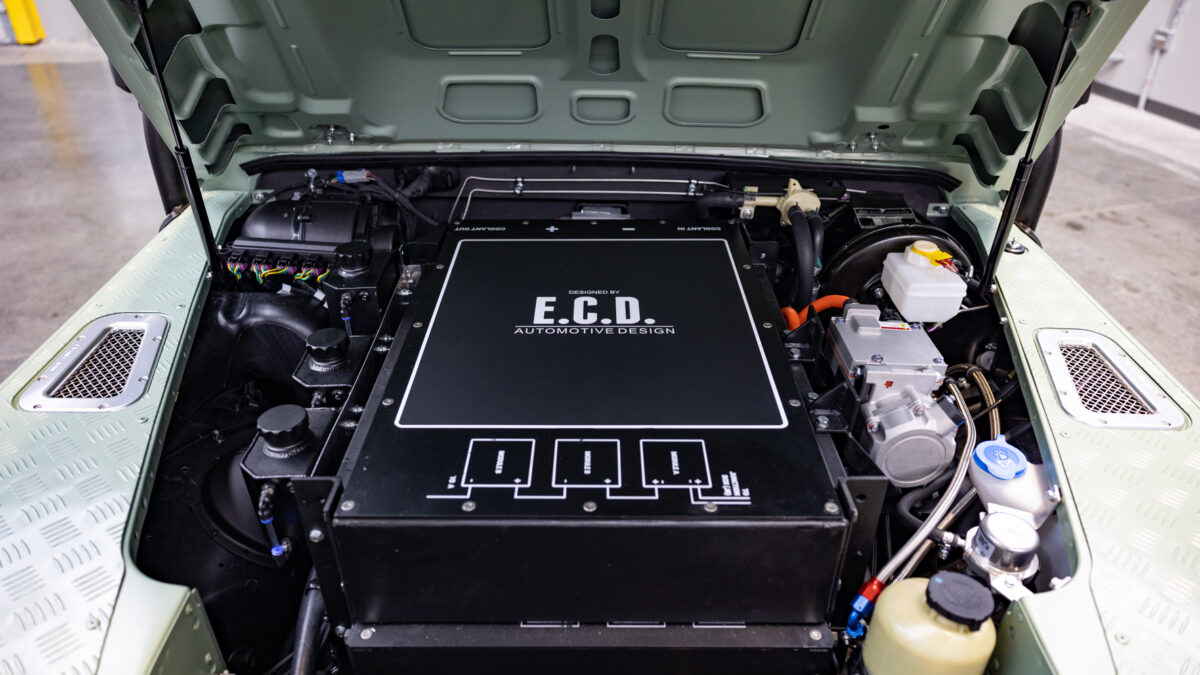
Electric drivetrains are also beginning to enter the conversation. While still a smaller segment of the market, some builders are experimenting with electric conversions that preserve the visual identity of classic vehicles while introducing completely new performance characteristics.
Whether powered by a modern V8 or an emerging electric system, the philosophy remains consistent. The goal is not to erase history, but to enhance how these vehicles function in today’s world.
Companies that specialize in restomod builds have embraced this balance. By pairing timeless automotive icons with modern engineering, they allow owners to enjoy classic cars without many of the limitations that once defined them.
In the process, the definition of a classic car is evolving.
Vehicles like the Land Rover Defender, classic Mustang, and Jaguar E Type are no longer just symbols of the past. With the help of modern engines, they are becoming some of the most compelling performance machines on the road today.