

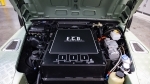

Classic car restoration often looks simple from the outside. A vehicle is stripped down, repaired, repainted, and returned to the road looking better than it did decades ago. In reality, restoring a classic vehicle properly is one of the most complex processes in the automotive world. It requires engineering, fabrication, craftsmanship, and thousands of detailed decisions along the way.
When corners are cut during that process, the consequences rarely show up immediately. They appear months or years later, often when the owner least expects it.
Understanding the true cost of shortcuts helps explain why build quality has become one of the most important factors in the modern classic car market.

Restoration Quality Starts with the Foundation
One of the first areas where shortcuts often appear is in the vehicle’s foundation. Classic vehicles such as the Land Rover Defender or a classic Mustang may arrive at a restoration shop with decades of hidden wear. Corrosion, metal fatigue, and structural damage can exist beneath panels that still appear intact.
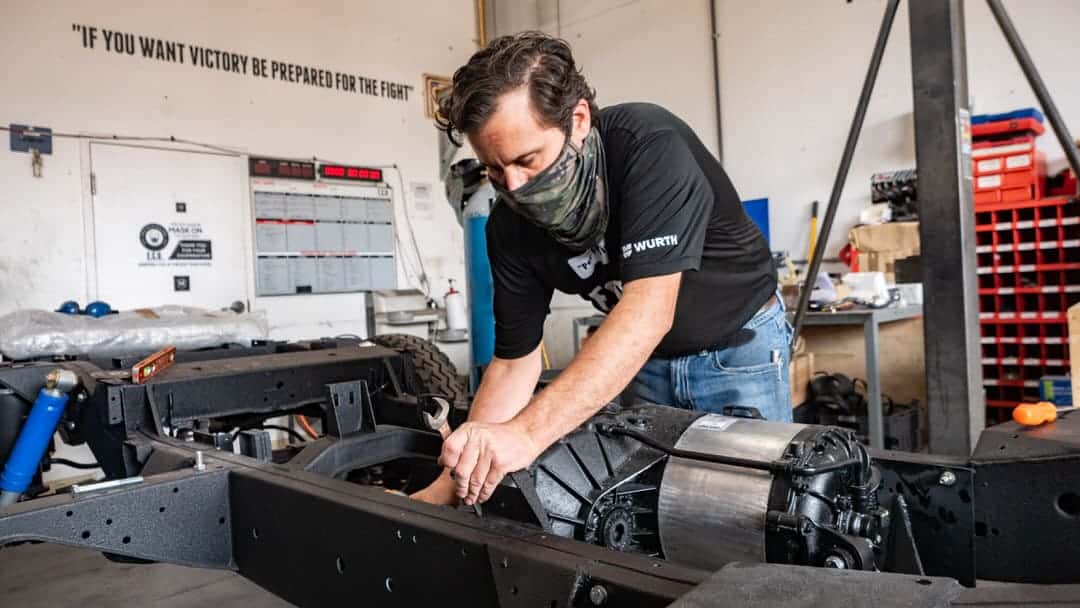
A proper restoration involves stripping the vehicle down to its chassis and addressing those issues completely. That can mean replacing sections of the frame, reinforcing structural components, and rebuilding suspension systems from the ground up.
When this step is rushed or skipped, problems remain buried beneath the surface. Paint and cosmetic work may look impressive, but the vehicle’s structural integrity has not truly been restored.
Over time, those hidden weaknesses begin to reveal themselves.
The Difference Between Cosmetic Restoration and True Rebuilds
Many buyers encounter vehicles that appear restored but were actually given cosmetic updates. Fresh paint, new upholstery, and polished trim pieces can dramatically improve the appearance of a classic car.
However, appearance alone does not define restoration quality.
A Restored Defender, for example, may look identical from the outside whether the underlying systems were rebuilt or simply cleaned and reinstalled. The difference becomes obvious once the vehicle is driven regularly. A properly rebuilt drivetrain delivers smooth performance and reliability, while a partially restored system may develop leaks, overheating issues, or mechanical failures.
The same applies to vehicles like the Jaguar E Type, where precision engineering plays a major role in how the car drives. Rebuilding these systems correctly requires time, specialized expertise, and careful attention to detail.
Cosmetic improvements alone rarely deliver that level of performance.

Why Modern Buyers Are Paying Closer Attention
As interest in custom classic cars continues to grow, buyers have become far more informed about what separates a premium restoration from a surface level project. Detailed documentation, build photography, and transparent processes have become important indicators of quality.
Collectors want to understand how a vehicle was rebuilt, not just how it looks when finished.
Vehicles like the Land Rover Defender, classic Mustang, and Jaguar E Type often undergo hundreds of hours of labor during a comprehensive restoration. Electrical systems are modernized, drivetrains are refined, suspension geometry is improved, and interior craftsmanship is elevated to match modern expectations.
This level of work requires significant investment, but it also protects the long term value of the vehicle.
Cutting Corners Usually Costs More in the Long Run
The irony of cutting corners in a restoration is that it rarely saves money over time. Owners who purchase lower quality builds often find themselves paying again for repairs that should have been addressed during the original restoration.
Electrical problems, cooling issues, drivetrain failures, and premature wear can turn what seemed like a good deal into a long series of expensive fixes.
A properly restored classic vehicle avoids many of these problems by addressing them before the car ever reaches the road.
Why Build Quality Defines the Modern Restoration Market
Today’s restoration market is no longer driven purely by nostalgia. Buyers expect classic vehicles to perform reliably, drive comfortably, and maintain their value over time.
That expectation has elevated the importance of build quality across the industry.
At ECD Auto Design, every project is approached with the understanding that a classic vehicle deserves more than a cosmetic transformation. The goal is to rebuild these iconic platforms so they can be driven, enjoyed, and appreciated for decades to come.
Because in the world of classic car restoration, the most expensive mistake is often the shortcut that seemed affordable at the beginning.