

Off-Roading Adventures: Exploring the Capabilities of SUVs
March 6, 2026
SUV Safety: Technologies Protecting You on the Road
March 6, 2026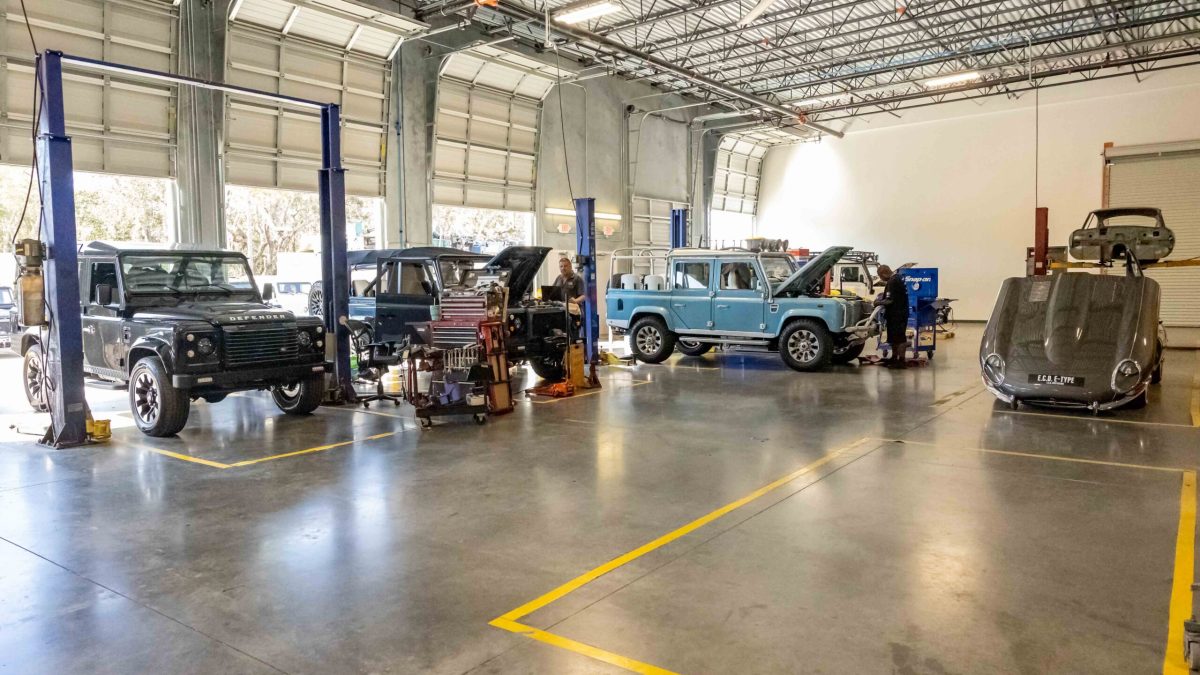
How small missteps in scope, sourcing, and approvals derail bespoke restorations, and what you can do to keep a 2,200‑hour, hand-built vision on track.
Restoration projects that aim to be one-of-one showpieces carry an unusual mix of romance and risk. They promise handcrafted detail, modern performance options, and a singular personality. But they also require orchestration across engineering, parts procurement, bodywork, and client approvals long before the final key turn and handoff.
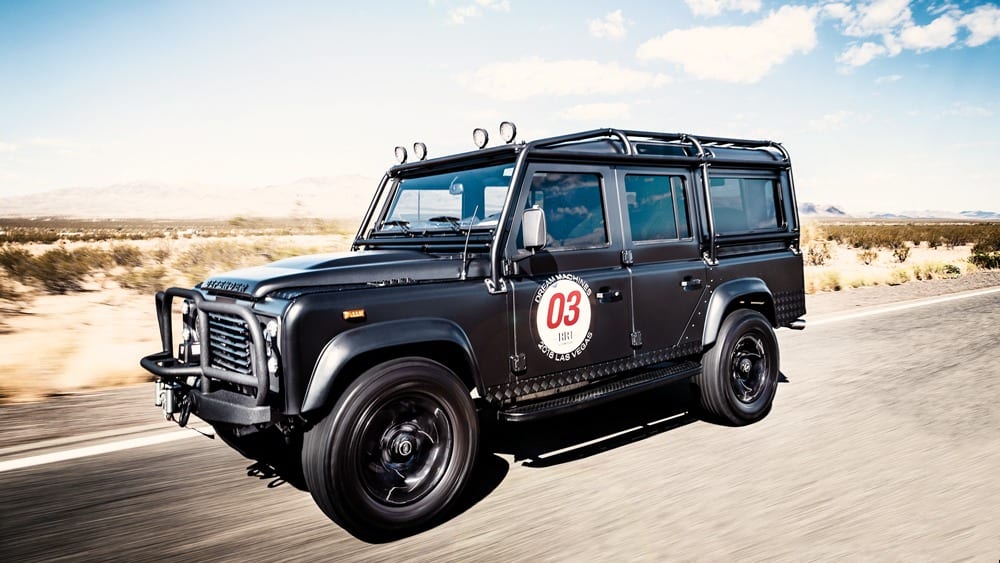
When commissioning a restomod for a custom Land Rover Defender, Range Rover Classic, Jaguar E‑Type, or a Toyota FJ40, the work that goes wrong almost always happens early. Snafus present themselves during specification, sourcing, and the first engineering sign-offs.
Left unaddressed, early failures magnify into costly delays, scope creep, and quality compromises that persist through the build and after delivery. it's the snowball effect with thousands of moving parts hanging in the balance of your perfect restoration.
Why Before the Build Is Finished Matters More Than People Realize
The physical act of assembly is only the visible portion of the effort we put into a bespoke build. The invisible investments, from engineering integration and parts vetting to electrical architecture and iterative client approvals, determine whether a project arrives on time and to spec.
Each Defender or Range Rover Classic may represent a 2,200‑hour build carried out in our purpose-built Rover Dome. A single mis-specified part or an unresolved electrical interface can ripple through shop schedules and resources. That's why we treat the pre-build and early-build checkpoints as the project's true backbone.
Where Projects Most Often Go Sideways: Early, Expensive, and Avoidable
We understand five different places where a custom build goes off the rails.
1. Ambiguous Scope and Aesthetic Indecision
Many projects begin as aspirational conversations. A client loves the idea of a modernized classic but hasn't finalized what modern means. Do they want V8 punch, durable diesel torque, or a fully electric drivetrain? Without a locked spec and clear design intent, including exact trim, finish, and accessory choices, the build team must work with assumptions.
Those assumptions invite rework. Changing a drivetrain architecture or redoing bespoke interior panels late in the process multiplies labor and material costs and prolongs the schedule. This is why, before a single nut or bolt is replaced, we get the final aesthetic and engineering design in writing.
2. Parts Sourcing and Compatibility Surprises
Rare parts, modern conversion components, and bespoke fittings are common in high-end restorations. When sourcing is handled ad hoc, teams discover compatibility problems only after mock-ups are built. A custom transmission mount, an ECU that won't communicate with an aftermarket instrument cluster, or a supplier lead time that slips by months can halt a project entirely.
Restorations must plan procurement rigorously, with verified fitment and contingency parts identified early, to avoid standstills. When we can't make a part in our shop, we know manufacturing companies and fabricators who can get the job done. We thoroughly vet each engineering detail as soon into the project as we can.
3. Underestimated Electrical and Systems Integration
Adding modern conveniences like air conditioning, modern infotainment, advanced braking, or EV propulsion, sounds straightforward. That's until harnesses, grounding, and data networks are engineered from scratch.
Electrical issues frequently force mid-build redesigns because early harness routing didn't account for physical obstacles or perhaps because CAN networks chosen for one sub‑system clash with another. These are not cosmetic problems. They affect safety, serviceability, and the vehicle's ability to meet a client's high standards and expectations.
4. Engineering Sign-Off Delays and Insufficient Pre-Production Mock-Ups
Skipping or rushing engineering sign-offs saves time on paper. Unfortunately it costs far more on the work floor. Without fixtures, jigs, and pre-production mock-ups, body panels and chassis modifications get fabricated without validation.
When the first full-assembly occurs and gaps, tolerances, or interference show up, teams must disassemble and rework. That compounds labor costs and schedules while jeopardizing finish schedules.
5. Misaligned Expectations About Timeline, Cost, and Finish Quality
Collectors and adventure owners often want the best of every world. They desire concours fit-and-finish coupled with modern off-road capability, and delivered quickly. Those are competing demands.
Shortening a timeline without adding resources creates pressure that leads to corners being cut in documentation, paint prep, or quality control. Similarly, underestimating the cost of bespoke elements, like hand-stitched interiors, custom castings, or multi-stage finishes, breeds scope change mid-build. Any delays cause the cost of a project to go up.
How a Top-Tier Restorer Like ECD Auto Design Prevents Early Stage Failures
Our team of experts understands how a build comes together, and we take pride in our process.
1. We Set Definitive Specs Before Metal Gets Cut
Great builds start by turning desire into a documented and signed spec. Our team gets an exact powertrain choice (including V8 or EV option), suspension package, interior trim palette, and performance targets.
That document becomes the contract's north star. It removes ambiguity and reduces revision cycles. If you seek a one-of-one showpiece, a rigorous approval process for visuals and function eliminates surprise change orders later.
2. We Front-Load Engineering and Validate with Jigs
Investing in engineering validation through CAD checks, prototype brackets, and full-size mock-ups prevents the classic "it fits on the drawing but not on the car" problem. You've heard of "measure twice, cut once" probably. We measure, double-check the fit, validate the measure, and then maybe we cut.
Our restoration program operates from a large, specialized facility (The Rover Dome) and a standardized set of engineering checkpoints. This reduces the chance that a late design conflict will ground the build. The advantage is both financial and reputational. We see fewer reworks, predictable shop flow, and consistent deliverables.
3. We Lock Procurement With Verified Lead Times and Quality Gates
Reliability in parts procurement comes from verified suppliers, early orders for long-lead items, and quality gates on receipt. Our team test-fits and bench-validates electrical and mechanical compatibility with rare parts or modern conversion components before committing to a production schedule. Doing so prevents months-long delays caused by back-ordered items or parts that require redesign to integrate.
4. We Design the Electrical Architecture as a First-Class System
Modernized classics require an electrical architecture designed to be serviceable and future-proof for modern drivers. That means harness routing with access panels, a documented CAN strategy, properly specified grounding points, and labeled harnesses. Later installations become straightforward and reliable when electrical systems are designed first and integrated into early mock-ups.
5. We Maintain Regular, Documented Client Touchpoints
Frequent, structured checkpoints keep you informed and engaged without inviting endless changes. A cadence of design approvals, engineering sign-offs, and finish approvals ensures your vision is honored while preserving project momentum. This process also builds confidence in delivery dates and final quality over the course of a 2,200-hour custom build.
What You Should Expect From a World-Class Restoration Partner Like ECD Auto Design
You should demand three things from your bespoke restoration:
- Craftsmanship that is demonstrably hand-built.
- Transparent engineering that accommodates modern performance choices like V8 or EV drivetrains.
- A predictable schedule backed by a facility and team capable of executing long, complex builds.
We come through with these concepts in tangible ways through our dedicated build facility, experienced ASE‑certified craftsmen, and a documented build process that converts your idea into a validated production plan. This level of rigor transforms a romantic brief into a deliverable reality. It minimizes the common early stage pitfalls that can derail a dream build.
Realistic Timelines and the Cost of Certainty
High-end restorations are labor-intensive and time-consuming by design. When we commit to a thorough process, from engineering validation and mock-ups to hand-crafted interiors and multi-stage finishes, timelines lengthen. But the outcome becomes reliable.
Rather than treating extended lead times as a liability, our successful program frames them as the cost of certainty. The time it takes to create a unique, investment-grade vehicle with modern reliability and show-quality finish is worth the effort and the wait.
Protect Your Vision by Protecting the Early Checkpoints
Most restoration projects go sideways for one simple reason: decisions that should be made early are left to chance.
We formalize the specification, front-loading engineering, locking procurement windows, and designing electrical and drivetrain integrations before full assembly. That way, you and our team align intent with execution.
The smartest investment lies not in faster paint cycles but in a disciplined pre-build process that guarantees the hand-built result promised at the outset.
Choose a partner that treats the pre-build phase as the build's most important stage. Our approach at ECD Auto Design emphasizes hand-built craftsmanship, personalization, and modern performance options. And we execute in our dedicated facility with certified master craftsmen to deliver a predictable, high‑end result.
CREATE IT. BUILD IT. LIVE IT. Let's talk about your perfect dream build.
FREQUENTLY ASKED
QUESTIONS
No FAQs configured yet.