


1997 Defender
March 13, 2026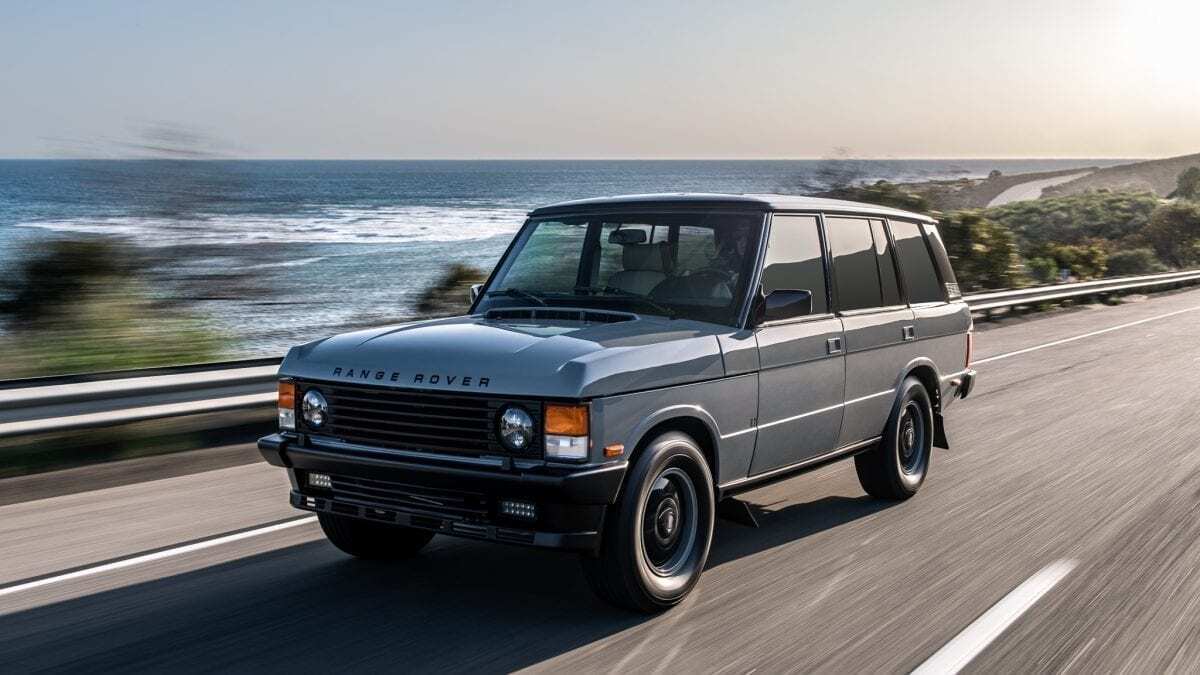
Introduction to the 1986 Range Rover Classic
The 1986 Range Rover Classic represents an important moment in the evolution of luxury sport utility vehicles. By the mid 1980s, the Range Rover had already established itself as a vehicle that combined serious off road ability with comfort and refinement. The 1986 model continued this tradition and helped strengthen the reputation of the Range Rover as one of the most influential vehicles in the development of the modern SUV. Known for its distinctive design and durable engineering, the Range Rover Classic remains highly respected among enthusiasts and collectors today.
The Origins of the Range Rover
The story of the Range Rover began in the late 1960s when engineers at Land Rover sought to create a new type of vehicle. Traditional Land Rovers were designed primarily for utility and agricultural work. They were capable off road but offered limited comfort for everyday driving.
Land Rover wanted to create a vehicle that could provide the off road capability of its earlier models while offering a more refined driving experience. The result was the Range Rover, first introduced in 1970. It featured a permanent four wheel drive system, a powerful V8 engine, and an innovative coil spring suspension system that provided a smoother ride than earlier Land Rover vehicles.
The early Range Rover models were originally offered as two door vehicles with a simple interior. However, their performance and versatility quickly attracted attention from both off road enthusiasts and luxury car buyers.
Development of the Range Rover During the 1980s
During the 1980s, the Range Rover underwent several important improvements that expanded its appeal. As the decade progressed, the vehicle began to move further into the luxury segment while maintaining its strong off road heritage.
One of the most significant changes occurred in 1981 when the four door version of the Range Rover was introduced. This change greatly increased practicality and made the vehicle more attractive to families and international markets.
Throughout the decade, Land Rover continued refining the interior with better materials, improved seating, and additional comfort features. These improvements allowed the Range Rover to compete with luxury sedans while still offering exceptional off road performance.
By the middle of the 1980s, the Range Rover had become a symbol of both adventure and prestige in many parts of the world.
Key Features and Engineering of the 1986 Range Rover Classic
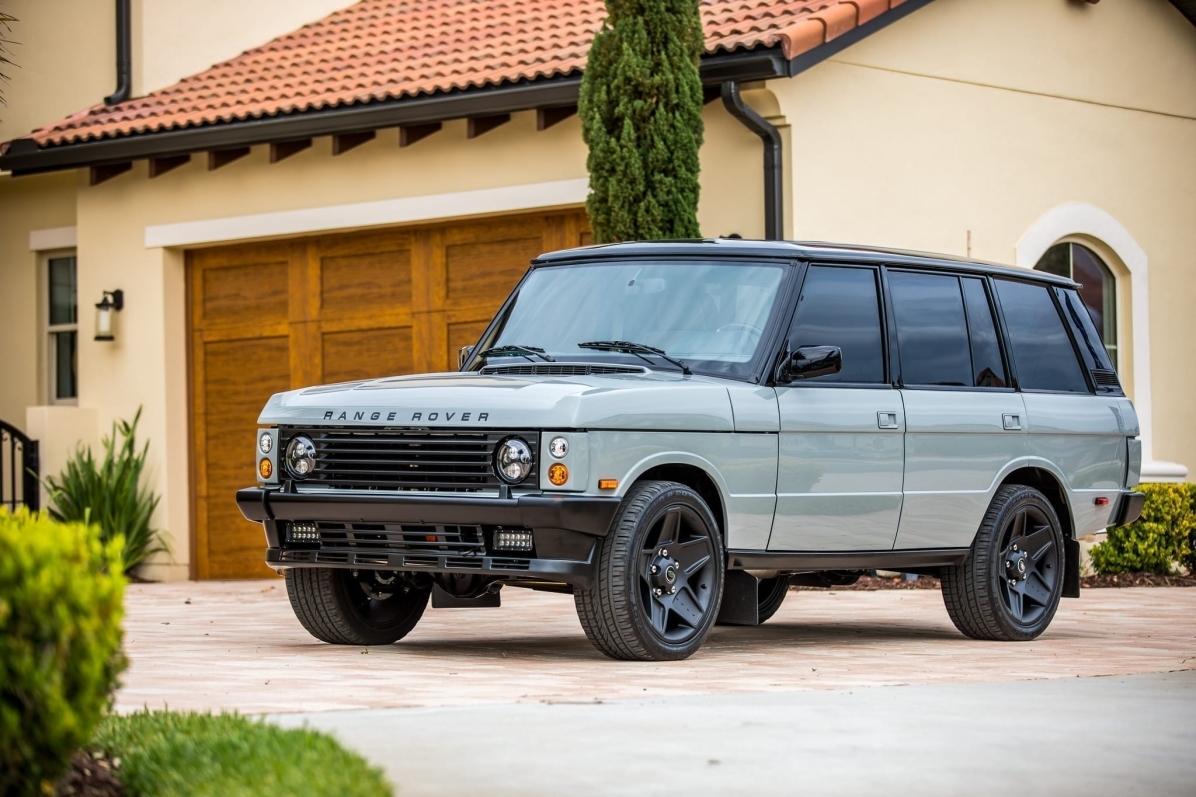
The 1986 Range Rover Classic reflected the engineering philosophy that had made the model successful since its introduction. It was designed to balance durability, capability, and comfort.
One of the defining features of the Range Rover Classic was its permanent four wheel drive system. Unlike many off road vehicles of the time that required drivers to manually engage four wheel drive, the Range Rover delivered power to all four wheels at all times. This system improved traction and stability across different driving conditions.
The vehicle was powered by a V8 petrol engine that provided strong torque and reliable performance. This engine allowed the Range Rover to perform well both on highways and on challenging terrain.
The suspension system was another key innovation. The coil spring suspension offered a smoother ride than the traditional leaf springs used in many utility vehicles of the era. This design helped the Range Rover maintain excellent off road articulation while also providing comfort for long distance travel.
Other notable features of the 1986 Range Rover Classic included:
Aluminum body panels that helped resist corrosion
A strong ladder frame chassis for durability
Spacious interior design with improved passenger comfort
Large windows that provided excellent visibility for off road driving
These features helped the Range Rover stand out among other vehicles during the 1980s.
Market Presence and Historical Significance
By 1986, the Range Rover had established a strong global presence. It was widely recognized as a vehicle that could travel through remote environments while also providing the comfort expected from a luxury automobile.
The Range Rover Classic gained popularity in Europe, North America, and many other regions. Its unique blend of capability and refinement helped define a new vehicle category that would eventually become known as the luxury SUV segment.
The vehicle was also used in expeditions, countryside travel, and outdoor exploration. This versatility strengthened its reputation as a dependable and adaptable vehicle.
Many later sport utility vehicles adopted design ideas that were first demonstrated by the Range Rover Classic.
Collector Interest Today
Today the 1986 Range Rover Classic is appreciated as an important vehicle in automotive history. Enthusiasts value it for its distinctive design, mechanical simplicity, and historical role in the development of modern SUVs.
Well preserved examples are becoming increasingly desirable among collectors. Restorations have also become popular, as owners seek to preserve the character and authenticity of these vehicles.
Collectors often admire the Range Rover Classic for its balance of elegance and rugged capability. It represents a period when vehicles were engineered with durability and practicality in mind.
Legacy of the 1986 Range Rover Classic
The legacy of the 1986 Range Rover Classic can still be seen in modern sport utility vehicles. The idea that a vehicle could combine luxury comfort with serious off road capability was not common before the introduction of the Range Rover.
Over time, the Range Rover continued to evolve with new technologies and modern design. However, the early Classic models remain highly respected for their role in shaping the SUV market.
The 1986 Range Rover Classic stands as a reminder of a time when innovation and practicality came together to create a vehicle that would influence the automotive industry for decades. Today it remains one of the most iconic vehicles ever produced by Land Rover.
FREQUENTLY ASKED
QUESTIONS
No FAQs configured yet.