


Why the RRC SUV Demand Is Surging Again
March 25, 2026Electric Restomods vs. Internal Combustion: Which is Right for You?
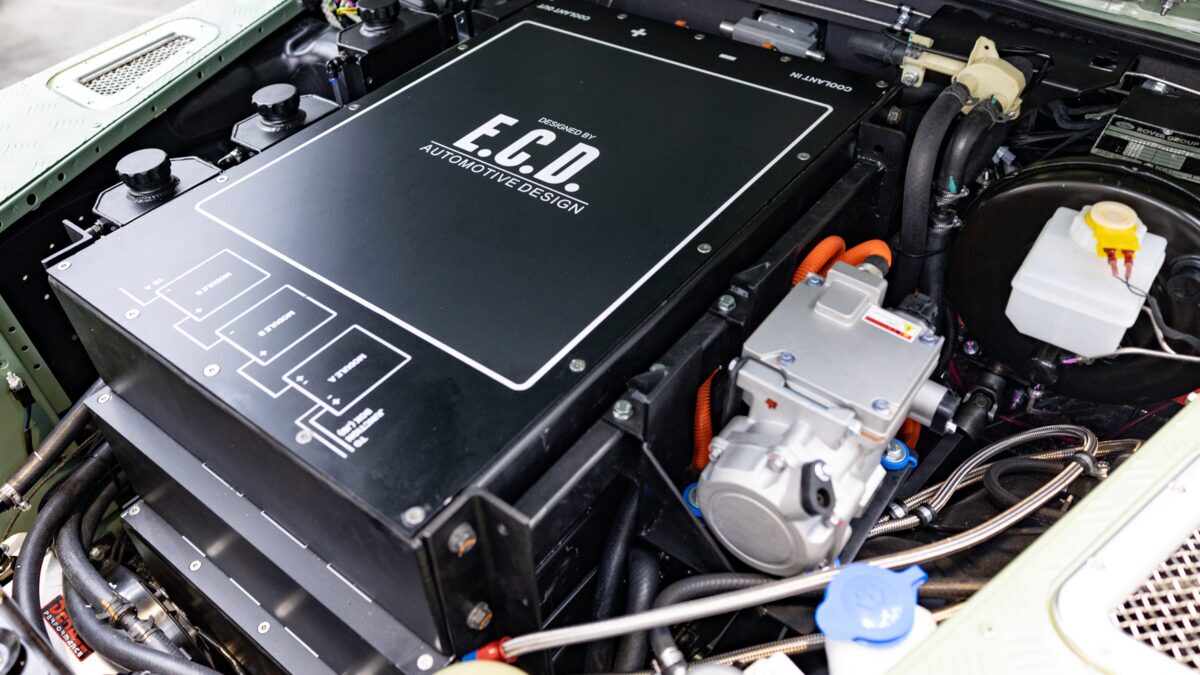
replacement gen 1 tesla system for ECD gen 2 ev system
For collectors and adventure seekers, there are two main powertrains to consider with a restored classic. Go with a modern electric drivetrain for instant torque and fewer maintenance concerns or choose a period-correct gasoline engine. Your decision blends performance, provenance, and personality.
Our guide helps you select the right kind of powerplant for a restored Defender, Range Rover Classic, Jaguar E-Type, Toyota FJ40, Classic Mustang or other showpiece build. The goal with each project is to balance craftsmanship, capability, and long-term ownership expectations.
More Than Power, This Is a Values Decision
When a client commissions a one-of-one build with our shop, the choice between an electric restomod and an internal-combustion restoration is rarely just technical. They are choosing an experience. The powertrain determines how the vehicle sounds, feels, and integrates into their driving life.
Every drivetrain installation or restoration at The Rover Dome, where hand-built restorations and 2,200-hour build programs come to life, supports a clear outcome. You receive a bespoke vehicle that delivers on aesthetic intent, day-to-day usability, and long-term value based on your goals.
What Electric Restomod and Internal Combustion Restoration Really Mean
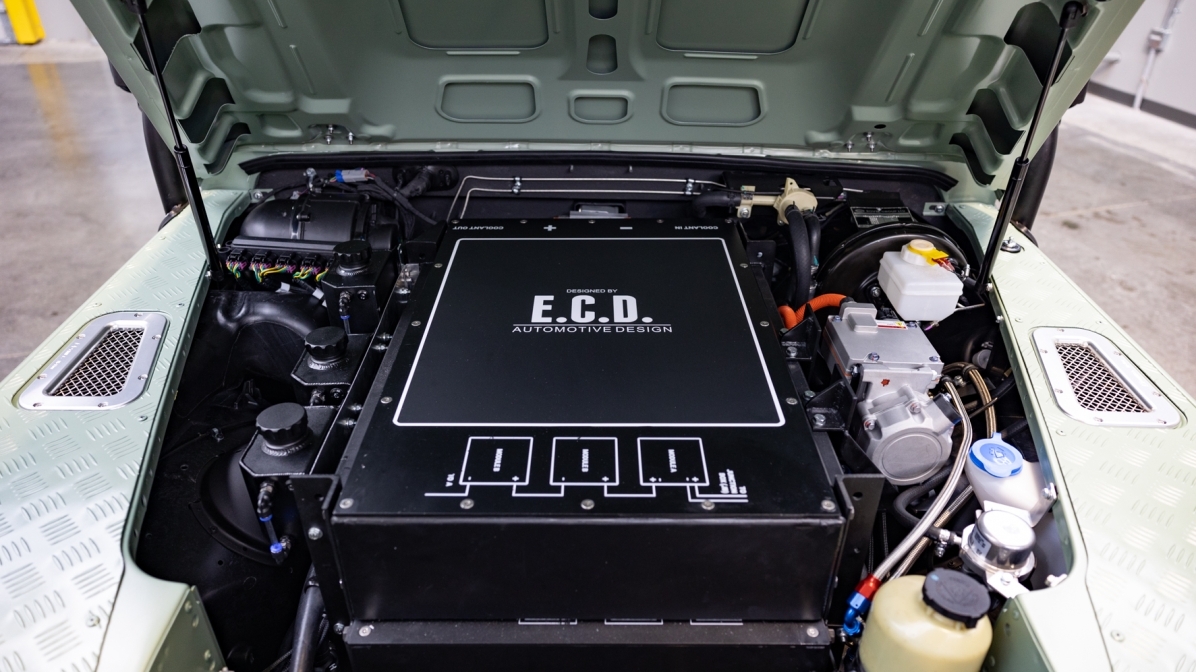
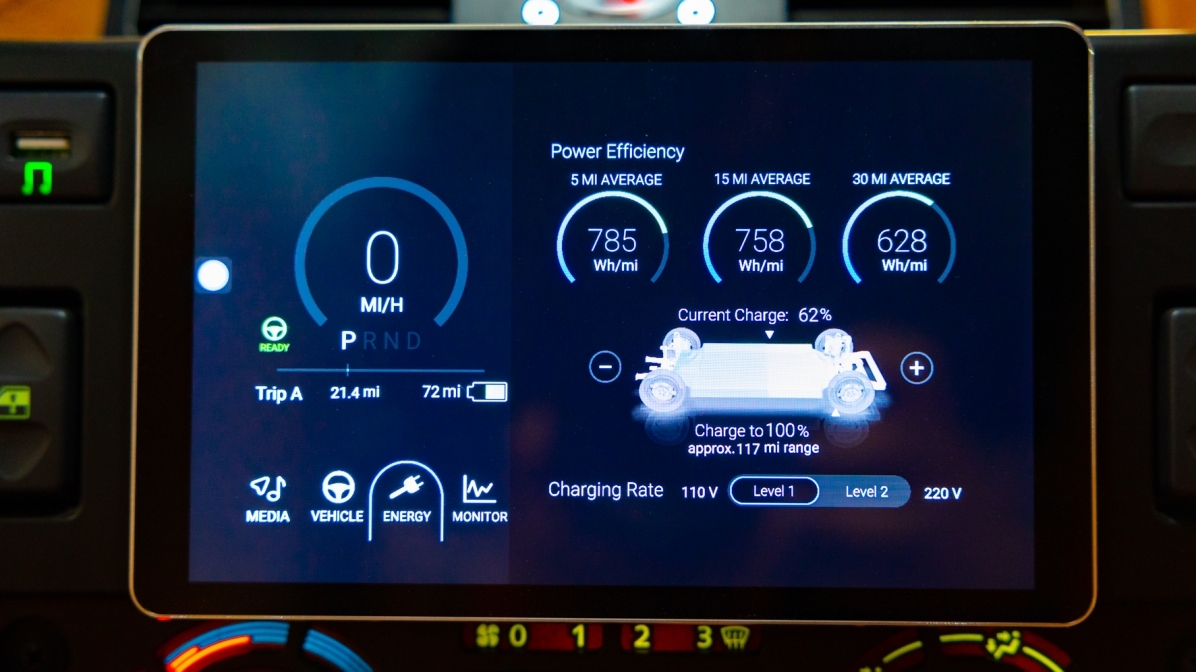
An electric restomod replaces the original engine and ancillaries with an electric powertrain. We pair the drive battery pack with modern battery management, regenerative systems, and bespoke electronics. All the while, we preserve or enhance the classic's styling and interior.
An internal-combustion restoration renews the original engine. We can numbers-match an original engine and parts for a desired collectible. Or, you can choose to upgrade to a modern V8 variant or a refreshed drivetrain to improve reliability and performance while retaining the mechanical character of the vehicle.
Key Factors to Weigh for an Electric Restomod or Internal Combustion Restoration
Consider six main factors when deciding on an electric or internal combustion powertrain for your restoration.
Driving Experience and Character
Electric-only driving is slightly different than driving with a V8 under the hood. But both powertrains deliver speed and torque when needed.
Electric restomods transform the driving dynamic. Look for instant torque, whisper-quiet operation, and seamless power delivery to create a modern, effortless driving experience. If you prioritize rapid on-road acceleration, silent hill climbs, or urbane day-to-day usability, you might favor an electric conversion.
Conversely, an internal-combustion restoration preserves visceral feedback of the original. You'll get the gearbox feel, exhaust note, and the ritual of warming up. You might prize these elements for authenticity and emotional resonance. A gasoline-powered V8 upgrade can deliver modern performance while retaining that analog connection to the vehicle's heritage.
Ownership Costs and Serviceability
Electric drivetrains can lower routine maintenance costs and increase maintenance intervals. There are no oil changes, fewer moving parts, and simpler cooling systems. However, battery-pack servicing, software maintenance, and specialized diagnostics require a different support network than from traditional mechanics. An electric restoration is excellent if you value low day-to-day maintenance and have access to skilled EV technicians.
Internal-combustion restorations can be more familiar to traditional service networks. High-quality rebuilds and modern engine swaps may still demand specialist care. But your readily available and certified mechanic can source parts more easily. If you want a straightforward service model and enjoy the classic ownership ritual of going to the gas station, choose an internal-combustion project
Range, Travel, and Practical use
Range anxiety and charging infrastructure are practical considerations if you plan cross-country trips or remote adventures. On-road performance for electric builds is excellent, especially when traveling along popular highways or heading to large urban centers. Off-grid capability depends on planned routes and charging access.
If you love adventures and extended off-road excursions, combustion platforms retain an edge for range and simple refueling logistics. However, many modern EV restomods are engineered with modular battery solutions and rapid-charge compatibility. You could find an expanded practical range for recreational use with a modern EV drivetrain.
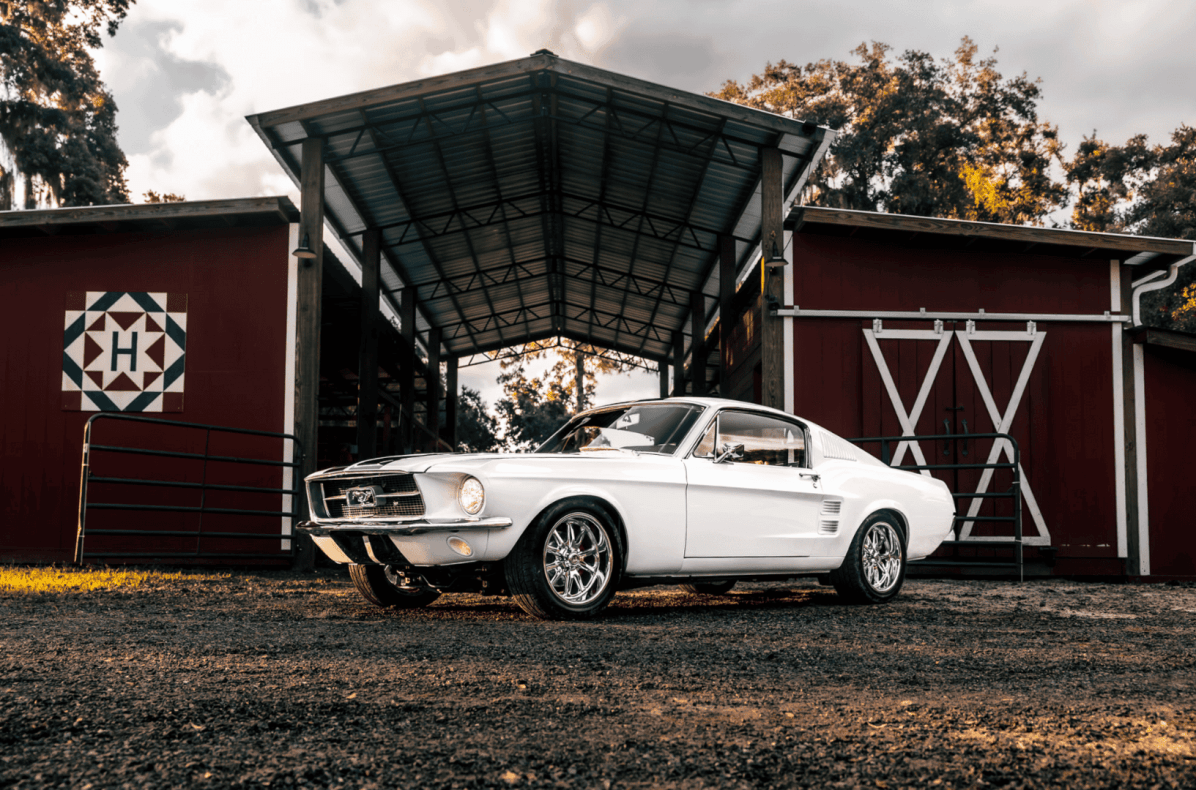
The workhorse of the muscle car era roars back to life in Project Ghost.
Regulatory, Environmental, and Social Factors
Electric conversions sidestep emissions concerns in many urban areas. They appeal to owners who want a lower carbon footprint without sacrificing capability. Some of our clients pursued EV builds as a future-proofing strategy against tightening emissions regulations.
If you prioritize historical authenticity or compete at shows valuing originality, a faithful internal-combustion restoration can be the more appropriate choice. Imagine revving the engine at a classic car show and watching someone's face light up at the notes.
Resale Value and Collectability
The market for restomods continues to evolve. Electric conversions have attracted strong demand among buyers who prize usability and novelty. Long-term value comes from provenance, engineering quality, and build documentation along every step of the bespoke build.
Internal-combustion restorations, especially those that respect original specification or use high-quality modern rebuilds, retain appeal among purists and some investors. If you want an investment-grade showpiece, look for the build's narrative, craftsmanship, and rarity to matter as much as the drivetrain choice.
Customization, Performance, and Personalization
Both an electric and internal-combustion approach provide rich opportunity for personalization.
Electric systems allow bespoke mapping, instant torque characteristics, and the integration of modern driver aids such as advanced driver assistance systems (ADAS). Combustion projects can be tailored with V8 upgrades, refined suspension geometry, and tuned exhaust to match your desired sound and feel.
At each decision point, the builder's craftsmanship defines how well the drivetrain integrates with the rest of the vehicle. We can create cosmetic fidelity, ergonomics, and longevity through every detail of the build.
Which Buyers Tend Toward Each Option?
Two types of clients we see may have different goals, but our results deliver quality, hand-built restorations that meet your requirements.
The Affluent Collector
Clients commissioning museum-quality, investment-grade builds may prioritize provenance, show-winning finishes, and narrative cohesion.
You may select an internal combustion powerplant when historical authenticity and concours appeal are primary goals. Look for modern reliability without sacrificing aesthetics. But models like the Jaguar E-Type or a Range Rover Classic could see either an ultra-faithful internal-combustion restoration or a discreetly engineered electric conversion that preserves character while maintaining value and exclusivity.
The deciding factor is often which drivetrain best supports the build's story and projected market positioning.
The Adventure Enthusiast
Owners who will take their Defender 90, 110, 130, or Toyota FJ40 off the beaten path often choose a drivetrain based on capability and usability.
Electric restomods appeal for instant torque useful in technical off-road sections, lower maintenance during extended use, and quiet wildlife-friendly operation. Extended overland trips in remote regions may favor internal combustion for easy refueling and simplified field repairs.
The right choice for adventurers balances intended terrain, range planning, and the owner's tolerance for new technology in austere environments.
Real-World Trade-Offs With Timeline and Cost
High-end restorations and restomods are intensive undertakings. At scale, like projects completed in our dedicated 100,000-square-foot Rover Dome, builds can be 2,200 hours of hand assembly and finish work. Premium workmanship, bespoke interiors, and integrated modern systems naturally carry a premium.
Electric conversions add upfront engineering, battery integration, and bespoke electronics work. Internal-combustion builds may require sourcing rare parts, fabricating parts that can't be sourced, or performing modern engine calibrations.
Expect transparent discussions about lead times, testing protocols, and total ownership cost before committing to a commission from our team.
How to Decide Using a Short Decision Framework
If you're considering a build, start with two questions: How will I use the vehicle? How do I want to feel when I drive it?
If you imagine daily use with refined, silent power and lower routine maintenance, electric is attractive. If you want the sensory feel, like the sound, the ritual, and the traditional mechanical engagement, then an internal-combustion restoration or modern V8 upgrade is more fitting.
Either choice benefits from a conversation about customization priorities, planned mileage, and resale intentions.
Real-World Scenarios of Both Types of Builds
A collector commissioning a Jaguar E-Type showpiece like The Bridgewater Commission might opt for a concours-level internal-combustion restoration to preserve originality for exhibitions and auctions.
A client wanting a weekend coastal cruiser who values effortless acceleration and sustainability could select an EV conversion of a Range Rover Classic, engineered to preserve original lines while delivering modern performance. Consider our Project Britton as an example.
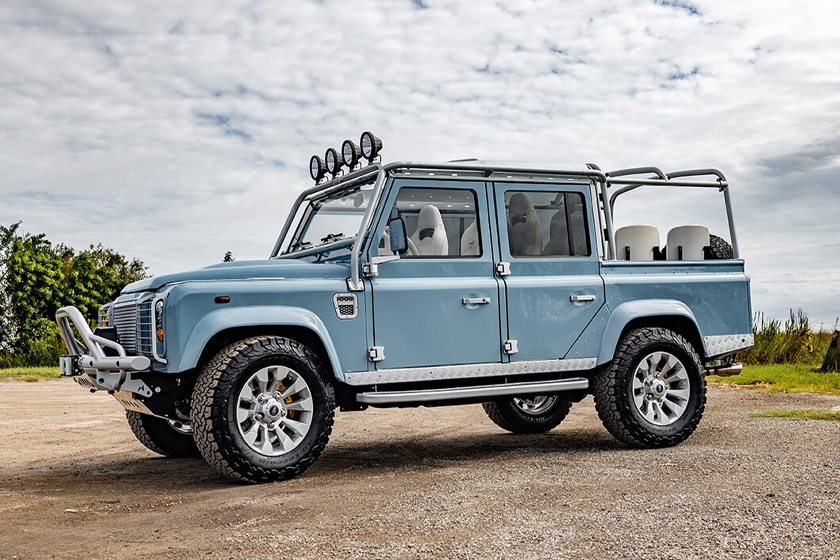
An owner building a Defender 110 for both luxury weekend escapes and serious off-road capability may pick a durable V8 for extended-range autonomy or an electric setup configured with modular batteries and on-board charging for frequent short adventures. Project Nantucket and Project Homecoming give you a taste of either setup.
Working with Craftspeople Who Can Deliver Either Vision
High-caliber builders like our team at ECD Auto Design approach the drivetrain decision as part of the vehicle's holistic design. When you commission a bespoke Defender, Range Rover, E-Type, FJ40, or a custom build, you'll get a partner with proven experience across both combustion and electric platforms.
We document engineering, provide clear testing milestones, and tailor warranty and service plans to the drivetrain chosen. Every stage comes with transparent timelines and a commitment to craftsmanship.
We've completed more than 600 hand-built vehicles. Our designers and engineers translate your lifestyle goals into technical specifications.
Select the Drivetrain That Matches Your Intended Use
The correct drivetrain is the one that best matches how you want to use the vehicle, your emotional priorities, and your long-term ownership goals. Both electric restomods and internal-combustion restorations produce transformative results when executed with thoughtful engineering and meticulous handcraft.
Whether you desire the evocative character of a V8-powered Defender, the serene thrust of an EV Range Rover Classic, or something in between, your vehicle should be designed to deliver your vision every time you turn the key or push the start button.
The next step is a design consultation where we work with you to convert lifestyle, performance targets, and preservation goals into a technical brief and estimated timeline. We have made several electric defender's and other classic vehicles.
Let's Talk About Your Perfect Dream Build.
Custom Land Rover Defenders Built by Hand in the USA—CREATE IT. BUILD IT. LIVE IT.
FREQUENTLY ASKED
QUESTIONS
No FAQs configured yet.