


1970 Jaguar E-Type
March 22, 2026
1967 Porsche 911
March 23, 2026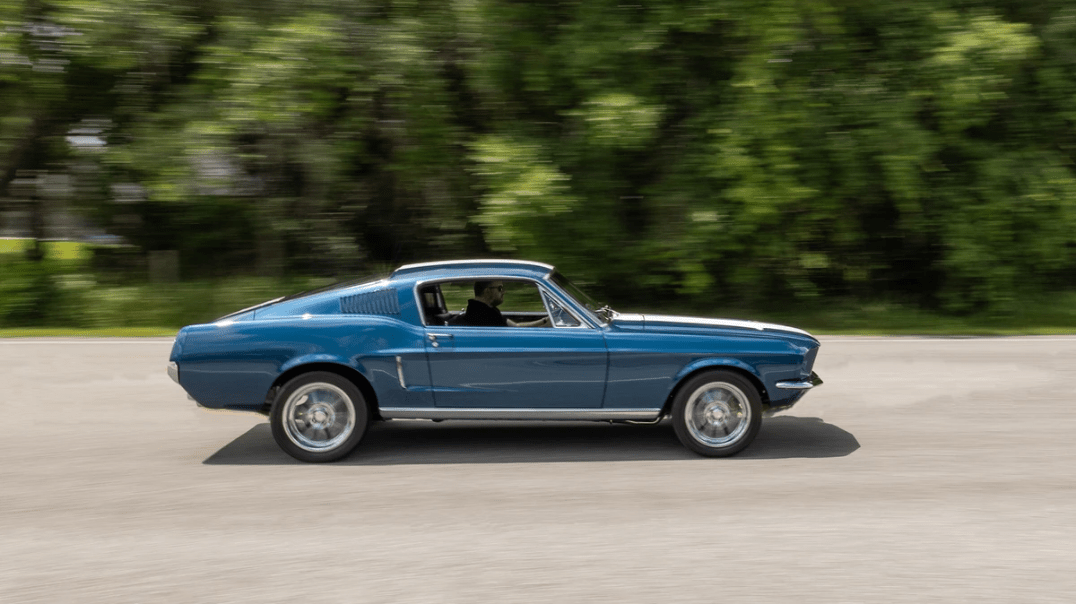
Introduction to the 1964 Mustang
The 1964 Ford Mustang stands as one of the most important vehicles in American automotive history. Introduced by Ford in April 1964, the Mustang created an entirely new market segment that would later become known as the pony car class. Its combination of sporty styling, affordable pricing, and strong performance quickly captured the attention of American drivers.
The Mustang was designed to appeal to a wide range of buyers, particularly younger customers who wanted a stylish and exciting vehicle without the high cost typically associated with sports cars. The car’s success was immediate and dramatic. Within its first year of production, the Mustang became one of the fastest selling vehicles in Ford’s history.
The 1964 model, often referred to by enthusiasts as the 1964½ Mustang, represents the earliest production version of the car. It established the foundation for a model line that would influence the automotive industry for decades.
Origins and Development
During the early 1960s, Ford executives recognized a shift in the American car market. Younger buyers were becoming more influential and were seeking vehicles that offered style and personality rather than simply size and comfort. Ford needed a new model that could attract these customers while remaining affordable to produce.
The development of the Mustang was led by Lee Iacocca, who believed there was strong demand for a compact, sporty car that could be customized to individual tastes. The project aimed to combine appealing design with mechanical simplicity so that the vehicle could be produced efficiently using existing Ford components.
To control development costs, Ford engineers based the Mustang on the platform of the Ford Falcon, a compact car already in production. This approach allowed the company to use many existing mechanical parts while focusing resources on creating a distinctive body design and interior.
The result was a vehicle that looked completely new while benefiting from proven engineering.
Launch and Public Reception
Ford officially introduced the Mustang on April 17, 1964, at the New York World’s Fair. The launch was supported by an extensive marketing campaign that included television advertising, magazine promotions, and dealership events across the United States.
The public response was extraordinary. Large crowds gathered at dealerships to see the new car, and many customers placed orders immediately. On the first day of sales, thousands of Mustangs were purchased.
During its first full year of production, Ford sold more than 400,000 Mustangs. This remarkable achievement demonstrated that the company had successfully identified a new market opportunity.
Exterior Design and Styling
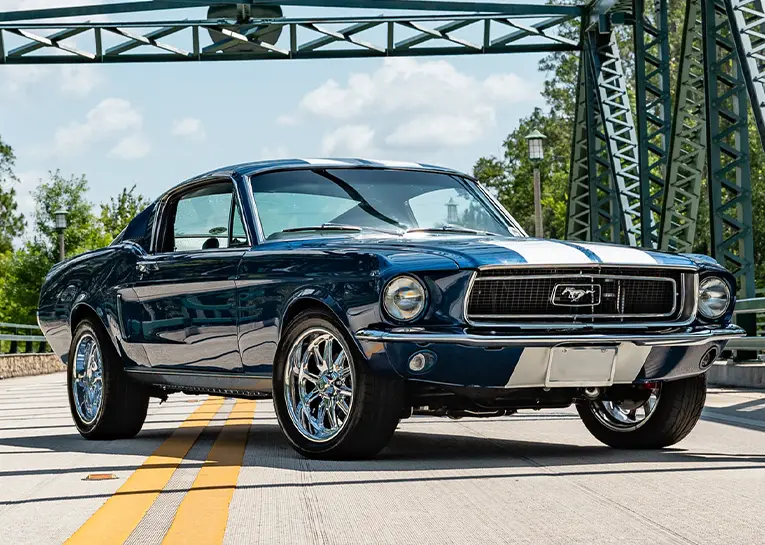
The design of the 1964 Mustang played a major role in its popularity. The car featured a long hood, short rear deck, and a compact body that gave it a sporty and balanced appearance. These proportions created a sense of performance even when the car was stationary.
The front of the vehicle displayed a distinctive grille with a galloping horse emblem at the center. This symbol quickly became one of the most recognizable automotive badges in the world. The car also featured clean body lines, a sculpted side profile, and a simple yet elegant rear design.
Buyers could choose between two body styles during the initial launch. The hardtop coupe offered a practical and affordable option, while the convertible provided a more open and stylish driving experience.
Later in the model year, Ford introduced the fastback body style, which featured a sloping rear roofline that emphasized the car’s sporty character.
Engine Options and Performance
One of the Mustang’s key strengths was the wide range of engine options available to customers. This flexibility allowed buyers to select a vehicle that matched their preferences for performance and price.
The base engine for the early 1964 Mustang was a 170 cubic inch inline six cylinder engine. This engine provided reliable and economical performance, making the car accessible to a broad group of buyers.
For customers seeking more power, Ford offered several V8 engine options. One of the most notable was the 260 cubic inch V8 engine, which provided stronger acceleration and improved overall performance. Later in the model year, Ford introduced the 289 cubic inch V8, which would become one of the most famous engines associated with the Mustang.
These engine choices allowed the Mustang to serve both as an economical daily driver and as a sporty performance vehicle.
Interior Features and Customization
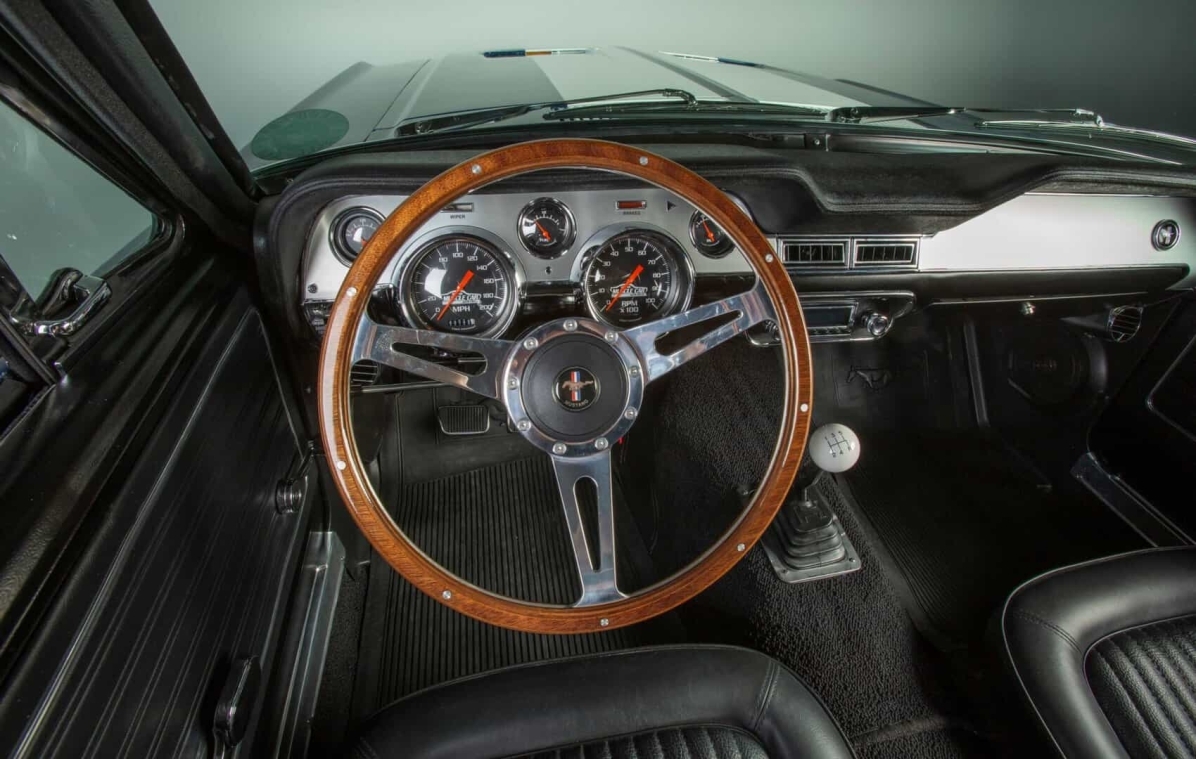
The interior of the 1964 Mustang was designed to provide both comfort and a sense of sportiness. The dashboard featured a clean layout with large, easy to read gauges and controls that were conveniently placed for the driver.
One of the most innovative aspects of the Mustang was its emphasis on customization. Buyers could choose from a wide range of optional features, including upgraded interiors, different wheel designs, special trim packages, and performance upgrades.
Options such as bucket seats, center consoles, and upgraded audio systems allowed customers to personalize their vehicles in ways that had not been widely available in earlier compact cars.
This level of customization helped make the Mustang appealing to a wide variety of drivers.
Cultural Impact and Legacy
The introduction of the Mustang had a profound effect on the American automotive industry. Its success inspired other manufacturers to develop similar vehicles, leading to the creation of the pony car segment. Competitors such as the Chevrolet Camaro and Pontiac Firebird were introduced later in response to the Mustang’s popularity.
The Mustang also became an important cultural symbol during the 1960s. It appeared in films, television programs, and advertisements, reinforcing its image as a vehicle associated with freedom, youth, and performance.
Over time, the Mustang evolved through many generations while maintaining the core characteristics established by the original model.
Historical Significance
Today, the 1964 Mustang is widely recognized as one of the most influential vehicles ever produced by Ford. Its design, marketing strategy, and mechanical flexibility helped redefine what an affordable sports oriented car could be.
Collectors and automotive historians often view the early Mustangs as the purest expression of the original concept. These vehicles capture the excitement of the Mustang’s introduction and represent the beginning of a long and successful automotive legacy.
The 1964 Mustang remains a landmark in automotive design and marketing. Its impact continues to shape the identity of the Mustang brand and its place in automotive history.
FREQUENTLY ASKED
QUESTIONS
No FAQs configured yet.