


1961 Jaguar E-Type
March 17, 2026
1989 Defender
March 19, 2026
Introduction to the 1965 Mustang
The 1965 Mustang represents one of the most significant milestones in American automotive history. Introduced by Ford during the mid 1960s, the Mustang quickly became a cultural icon and helped define a completely new category of vehicles known as the pony car. With its sporty styling, strong performance options, and relatively affordable price, the Mustang appealed to a wide range of drivers. The 1965 model year marked the first full production year of the Mustang and played a crucial role in establishing its long lasting popularity.
The Origins of the Ford Mustang
The development of the Ford Mustang began in the early 1960s when Ford executives recognized a growing demand for smaller, stylish cars that appealed to younger drivers. At the time, many American vehicles were large and focused primarily on comfort rather than performance.
Ford wanted to introduce a vehicle that combined sporty design with everyday practicality. The result was the Mustang, which was first revealed to the public on April 17, 1964 at the New York World's Fair. The car immediately attracted enormous attention from consumers and automotive journalists.
The Mustang’s design featured a long hood, short rear deck, and aggressive front styling. These design elements gave the car a sporty appearance while still maintaining the practicality of a compact vehicle.
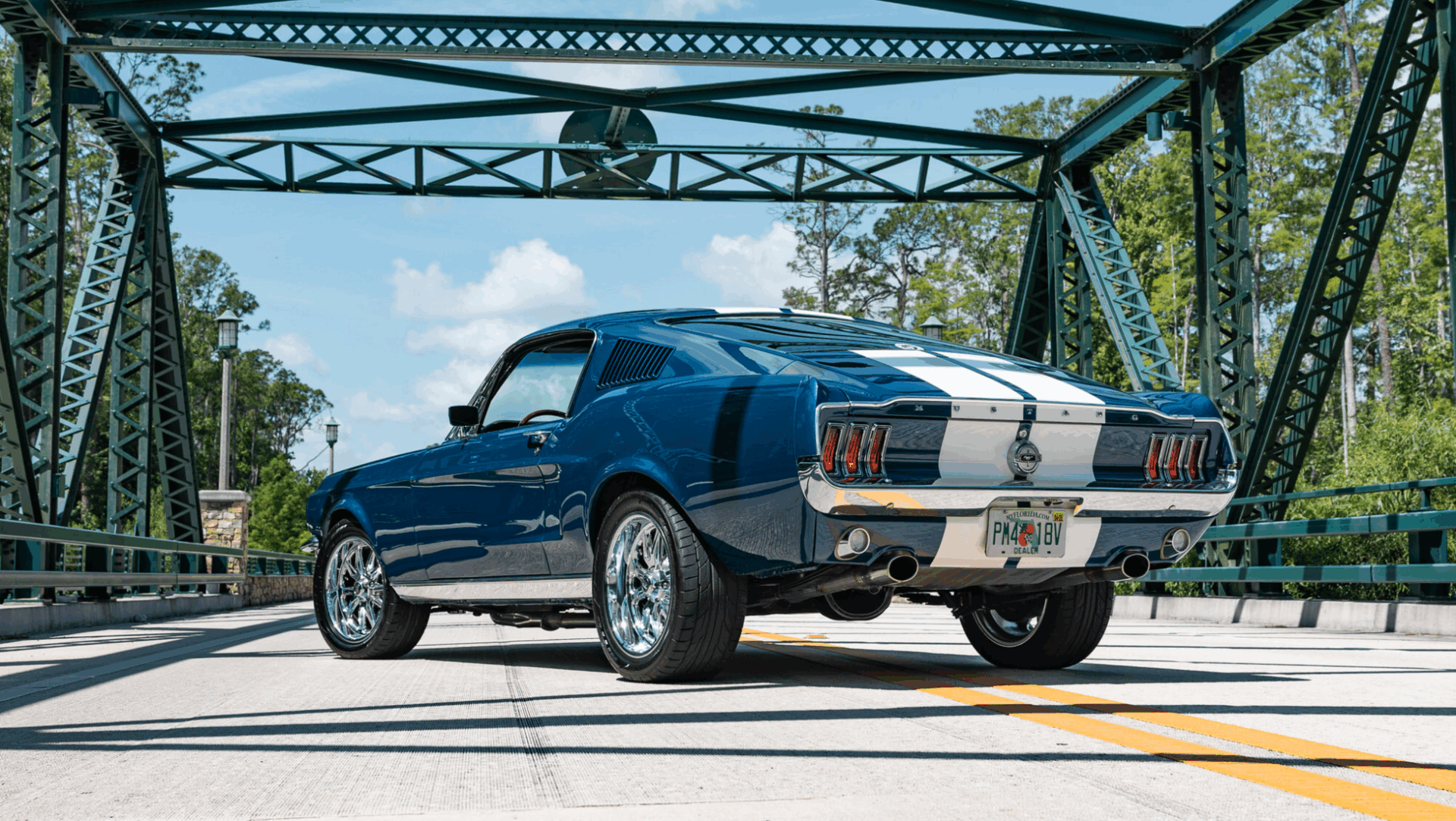
Development of the Mustang During the 1960s
Following its introduction, the Mustang quickly became one of the most successful new vehicles ever launched by an American manufacturer. The strong public response encouraged Ford to expand the Mustang lineup with additional options and configurations.
By the time the 1965 model year began, Ford had refined the Mustang’s production and introduced several updates that improved both performance and styling. Buyers could choose from multiple body styles, including the coupe, convertible, and fastback versions.
The Mustang also offered a wide variety of customization options. Customers could select different engines, transmissions, interior trims, and appearance packages. This flexibility allowed buyers to personalize their vehicles according to their preferences.
The success of the Mustang also inspired other manufacturers to create similar vehicles, leading to the emergence of the pony car segment in the American automotive market.
Key Features and Engineering of the 1965 Mustang
The 1965 Mustang offered a range of mechanical features that helped make the car both accessible and enjoyable to drive. Ford provided several engine options so buyers could choose between efficiency and performance.
The base model featured an inline six cylinder engine that delivered reliable everyday driving performance. For customers seeking more power, Ford offered several V8 engine options that significantly increased horsepower and acceleration.
Other notable features of the 1965 Mustang included:
- Rear wheel drive configuration for traditional sports car performance
- Lightweight body design that improved handling
- Wide range of engine choices including powerful V8 options
- Sporty interior styling with driver focused controls
- Optional performance packages for enhanced driving experience
These engineering features helped the Mustang appeal to both casual drivers and performance enthusiasts.
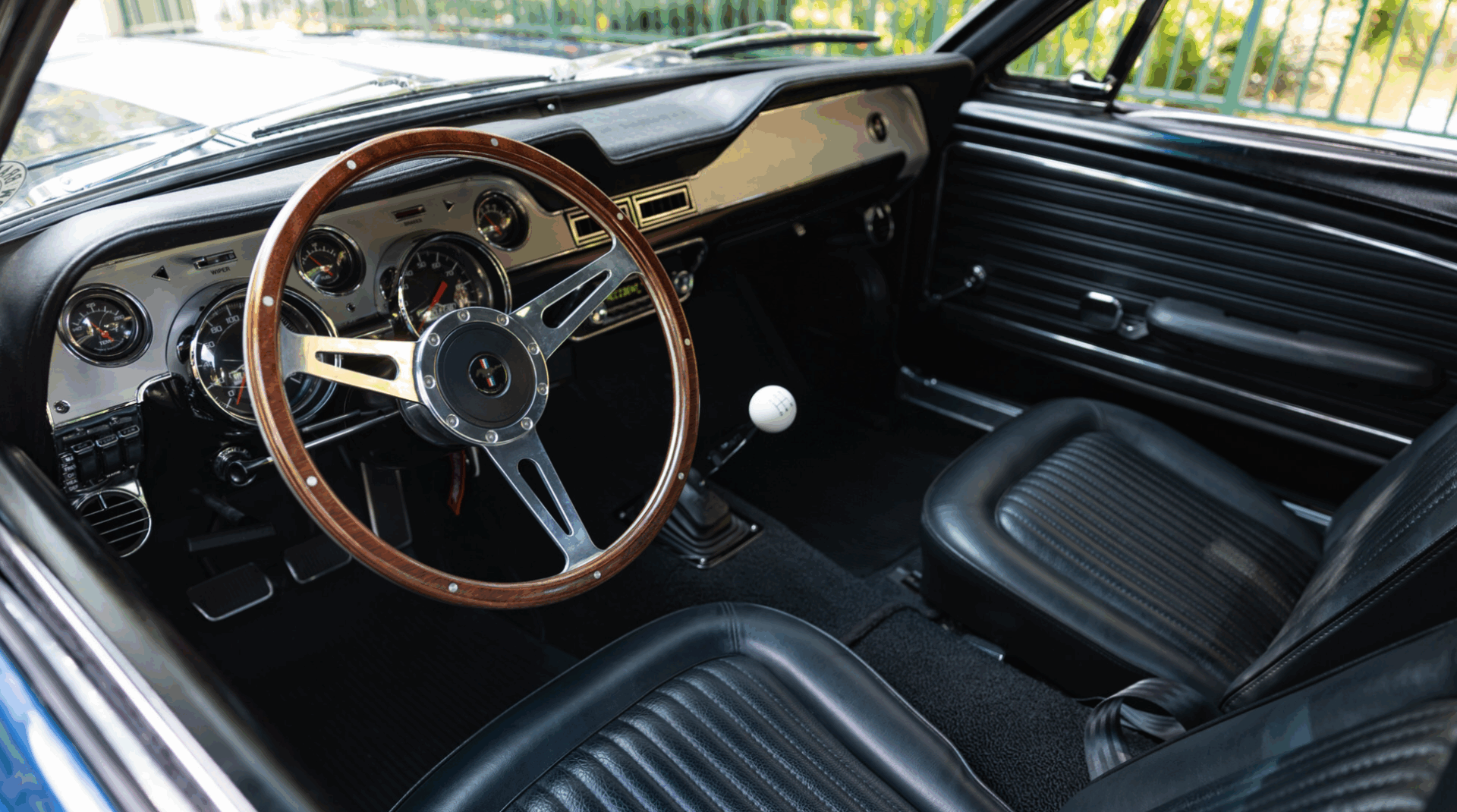
Market Presence and Historical Significance
The impact of the 1965 Mustang on the automotive market was immediate and dramatic. Within its first year of production, the Mustang achieved record breaking sales figures. Ford sold hundreds of thousands of units, far exceeding initial expectations.
The vehicle became widely recognized as a symbol of American performance and youthful energy. Its popularity extended beyond the automotive world and into popular culture. The Mustang frequently appeared in films, television programs, and advertising campaigns throughout the 1960s.
The success of the Mustang also influenced competitors such as Chevrolet, Pontiac, and Dodge to develop their own sporty compact vehicles. This competition helped shape the performance oriented car market for many years.
Collector Interest Today
Today the 1965 Mustang remains one of the most sought after classic American cars. Enthusiasts appreciate the vehicle for its historical importance, distinctive styling, and strong connection to American automotive culture.
Many owners choose to restore early Mustang models to preserve their original appearance and mechanical design. Classic car events and auctions frequently feature well restored 1965 Mustangs, which often attract strong interest from collectors.
The availability of reproduction parts and restoration support has also helped keep many of these vehicles on the road decades after their original production.
Legacy of the 1965 Mustang
The legacy of the 1965 Mustang continues to influence the automotive industry today. The vehicle demonstrated that a stylish and performance oriented car could also be affordable and practical for everyday use.
Over the years the Mustang has undergone many design changes and technological updates. However, the core concept introduced in the mid 1960s remains an essential part of the model’s identity.
The 1965 Mustang stands as the foundation of one of the longest running and most successful vehicle nameplates in automotive history. Its combination of performance, design, and cultural impact ensures that it will remain an enduring symbol of American automotive innovation.
FREQUENTLY ASKED
QUESTIONS
No FAQs configured yet.