


1989 Defender
March 19, 2026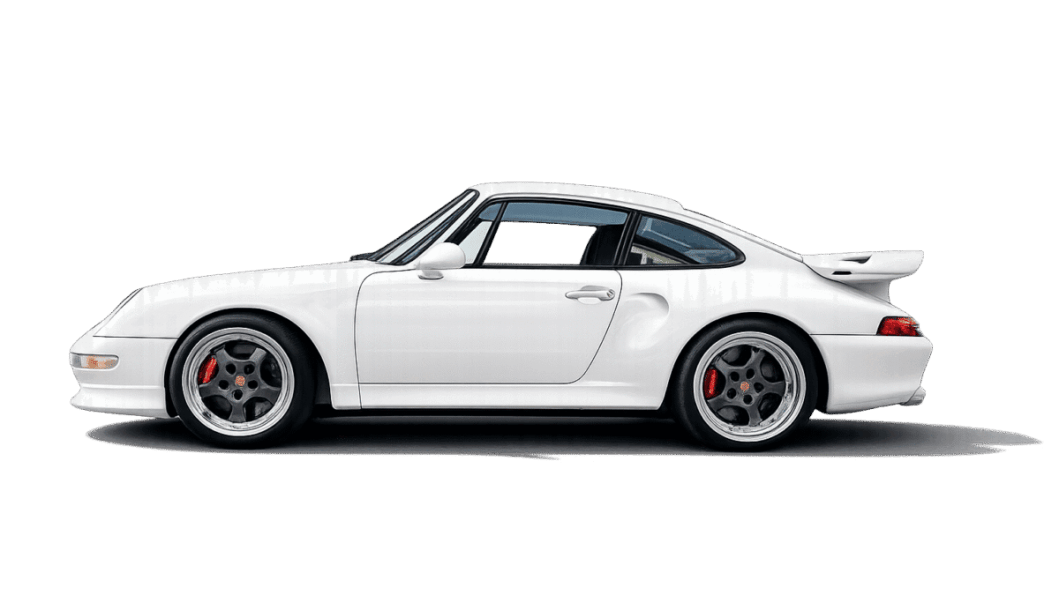
Introduction to the 1965 Porsche 911
The 1965 Porsche 911 marks the beginning of one of the most successful and enduring sports car lineages in automotive history. Introduced during the mid 1960s, the Porsche 911 quickly became known for its distinctive design, innovative engineering, and impressive performance. The 1965 model represents the first full production year of the vehicle and established the foundation for a sports car that would remain in production for decades. Today the early Porsche 911 models are highly respected among automotive enthusiasts and collectors for their historical importance and timeless design.
The Origins of the Porsche 911
The development of the Porsche 911 began in the early 1960s when Porsche sought to create a successor to the successful Porsche 356. While the 356 had helped establish Porsche as a respected sports car manufacturer, the company recognized the need for a more modern vehicle that could offer improved performance and engineering.
The project was led by Ferdinand Alexander Porsche, the grandson of Ferdinand Porsche, the founder of the company. The goal was to create a sports car that retained Porsche’s focus on lightweight design and driving precision while introducing a new level of performance and comfort.
The vehicle was first revealed to the public at the Frankfurt Motor Show in 1963. Initially the car was named the Porsche 901, but the name was later changed to 911 due to trademark concerns raised by another automobile manufacturer. Production models began reaching customers in the mid 1960s, with 1965 representing the first full production year.
Development of the Porsche 911 During the 1960s
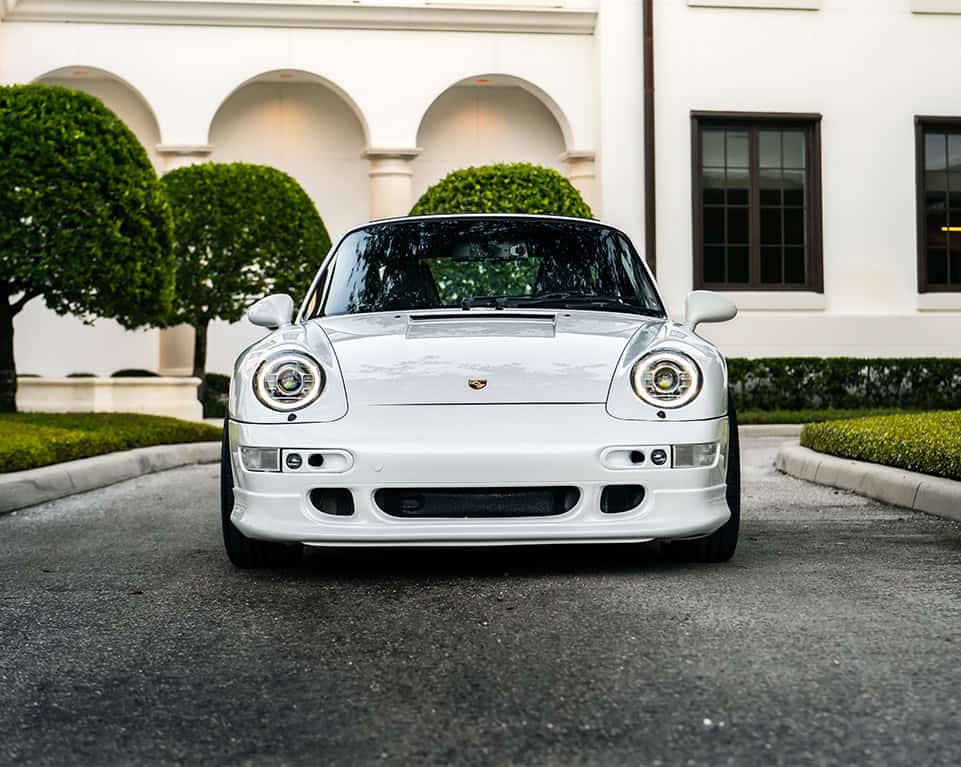
The Porsche 911 introduced several design and engineering elements that would become defining characteristics of the model for many years. One of the most distinctive features was the rear mounted engine layout. Placing the engine at the rear of the vehicle allowed for strong traction and a unique driving experience.
The vehicle was powered by a newly developed air cooled flat six cylinder engine. This engine design provided smooth power delivery while maintaining the lightweight philosophy that Porsche valued in its sports cars.
The body design also played an important role in the vehicle’s success. The 911 featured a sloping roofline, compact proportions, and balanced styling that gave it a distinctive appearance. These design elements helped the car stand out among other sports cars of the era.
During the 1960s Porsche continued refining the 911 platform, introducing improvements in suspension, braking systems, and interior comfort. These developments helped the car remain competitive in the growing sports car market.
Key Features and Engineering of the 1965 Porsche 911
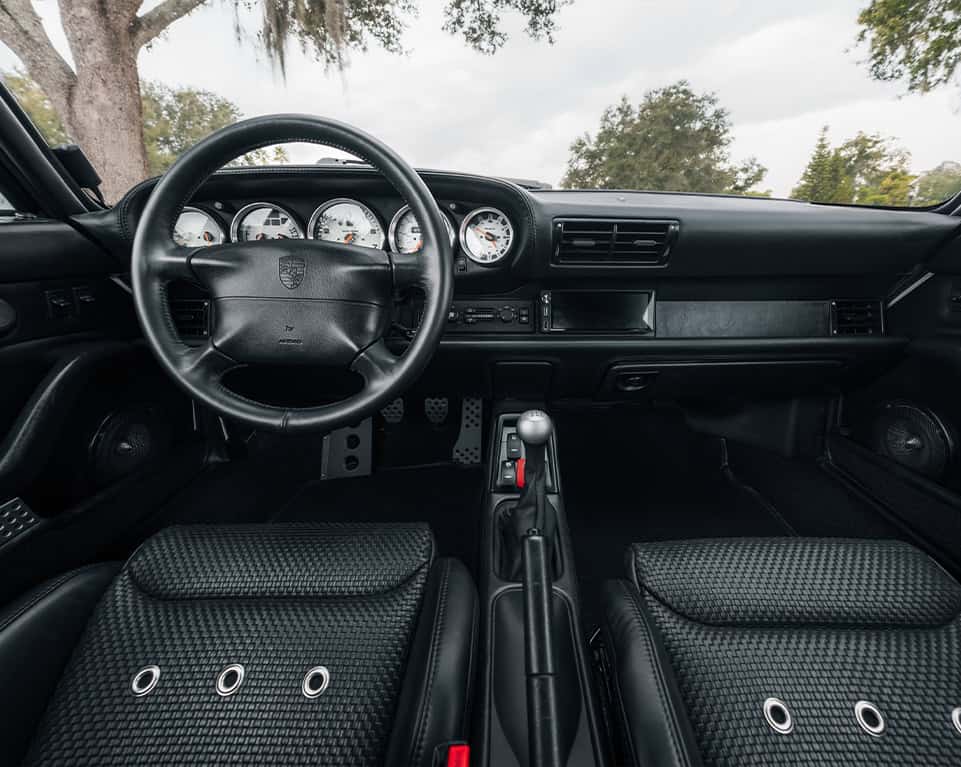
The 1965 Porsche 911 was designed to deliver both performance and precision. The air cooled flat six engine produced strong power for its size and allowed the car to achieve impressive acceleration and top speed for the time.
The vehicle also featured independent suspension systems at both the front and rear, which contributed to its responsive handling characteristics. Porsche engineers focused heavily on achieving a balanced driving experience that allowed drivers to feel connected to the road.
Important engineering features of the 1965 Porsche 911 included:
- Air cooled flat six cylinder engine mounted at the rear
- Lightweight body construction for improved performance
- Independent suspension for better handling and stability
- Disc brakes that improved stopping power
- Compact design that enhanced agility and driver control
These engineering decisions helped establish the Porsche 911 as a serious competitor in the global sports car market.
Market Presence and Historical Significance
When the Porsche 911 entered production in the mid 1960s, it quickly gained recognition for its engineering quality and distinctive design. The vehicle appealed to drivers who valued precision handling and strong performance.
Automotive journalists praised the 911 for delivering an engaging driving experience that set it apart from many other sports cars of the period. Its unique engine layout and balanced chassis design gave it a character that was immediately recognizable.
As the model gained popularity, Porsche continued expanding its lineup with additional variations and performance improvements. The early success of the 911 helped strengthen Porsche’s reputation as one of the world’s leading sports car manufacturers.
The 1965 model played a critical role in establishing the foundation of the 911’s long lasting legacy.
Collector Interest Today
Today the early Porsche 911 models from the 1960s are highly valued by collectors and enthusiasts. The 1965 Porsche 911 is particularly admired because it represents the earliest production period of the vehicle.
Collectors often seek these early models because they preserve the original design philosophy that defined the 911. Many restored examples appear at classic car events, automotive museums, and international auctions.
Well maintained vehicles can command significant prices, reflecting their importance in the history of sports car development.
Legacy of the 1965 Porsche 911
The legacy of the 1965 Porsche 911 continues to shape the automotive world. Few vehicles have remained in continuous production for as long as the Porsche 911, and its core design principles have remained remarkably consistent over the decades.
Modern versions of the 911 still retain elements of the original concept introduced during the 1960s, including the rear engine layout and distinctive styling. These characteristics have helped the car maintain its unique identity while adapting to modern technology and performance standards.
The 1965 Porsche 911 stands as the starting point of a sports car tradition that continues to influence automotive design and engineering today. Its combination of innovation, performance, and timeless styling ensures its place among the most respected sports cars ever produced.
FREQUENTLY ASKED
QUESTIONS
No FAQs configured yet.