

1964 Mustang
March 23, 2026
Introduction to the 1967 Porsche 911
The 1967 Porsche 911 represents an important stage in the early development of one of the most recognizable sports cars ever produced. Introduced only a few years earlier, the Porsche 911 had quickly established itself as the successor to the Porsche 356 while introducing a new level of performance and engineering sophistication. By 1967, the model had begun to evolve with improvements that strengthened its reputation for speed, precision handling, and distinctive design.
The 911 was designed as a modern sports car that could deliver both strong performance and everyday usability. Its rear engine layout, lightweight construction, and carefully balanced suspension gave it driving characteristics that set it apart from many competitors. The 1967 model year also introduced several significant variants that expanded the 911 lineup and demonstrated Porsche’s commitment to innovation.
Today, the 1967 Porsche 911 is remembered as one of the defining examples of early 911 development. It reflects the engineering philosophy that would guide Porsche sports cars for decades.
Origins of the Porsche 911
The development of the Porsche 911 began in the late 1950s when Porsche recognized the need to replace the successful but aging Porsche 356. The 356 had established Porsche as a respected manufacturer of lightweight performance cars, but the company wanted to introduce a more advanced vehicle that could compete in an evolving sports car market.
The project that would become the 911 was initially known as the Porsche 901. It was designed by Ferdinand Alexander Porsche, often referred to as "Butzi" Porsche, the grandson of company founder Ferdinand Porsche. The goal was to create a car that preserved the compact size and driving enjoyment of the 356 while providing greater power, improved comfort, and more modern styling.
The new model was unveiled in 1963 at the Frankfurt Motor Show. Shortly after its introduction, Porsche renamed the vehicle 911 due to a naming conflict with Peugeot, which held rights to three digit model names with a zero in the center. Production of the 911 began in 1964, and the car quickly gained attention for its unique design and performance capabilities.
Development Leading to the 1967 Model
During the first few years of production, Porsche engineers continued refining the 911 to improve reliability, handling, and performance. Early models were powered by a 2.0 liter air cooled flat six engine that delivered smooth power and a distinctive sound.
By 1967, the Porsche 911 had matured into a more developed sports car with several important updates. The company expanded the model range by introducing new versions that appealed to different types of drivers. These included performance oriented models as well as versions designed for open air driving.
One of the most notable additions during this year was the introduction of the 911 S. This high performance variant offered greater power and improved handling, reinforcing the 911’s growing reputation as a serious sports car.
Exterior Design and Styling
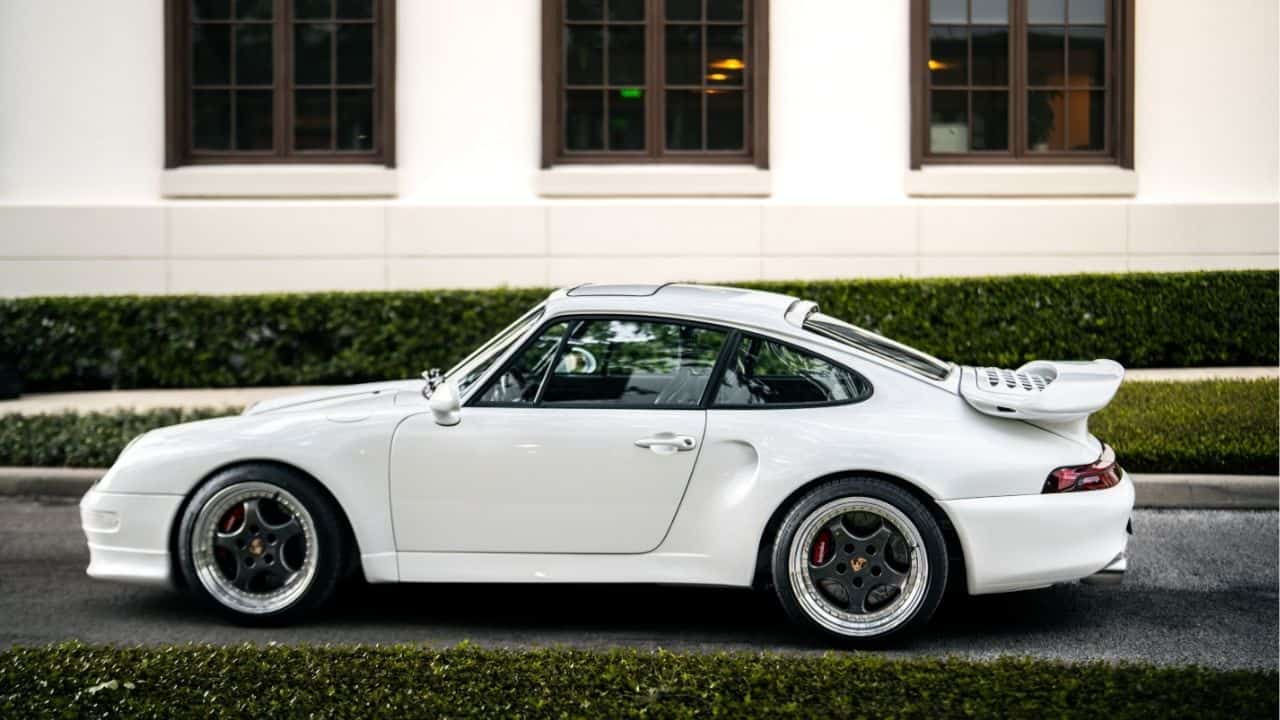
The design of the 1967 Porsche 911 remained closely aligned with the original shape introduced earlier in the decade. The car featured smooth curves, a sloping roofline, and compact dimensions that contributed to its distinctive appearance.
The front of the vehicle included round headlamps integrated into the fenders, while the rear displayed a gently curved engine cover that reflected the car’s rear engine configuration. The body was designed to provide aerodynamic efficiency while maintaining visual balance.
Despite the passage of time, the basic shape of the 911 remained largely unchanged, which helped establish a strong visual identity for the model. This design continuity has become one of the most recognizable characteristics of Porsche vehicles.
The 1967 model was available in both coupe and Targa body styles. The Targa version featured a removable roof panel combined with a fixed roll bar, providing open air driving while maintaining structural safety.
Engine and Performance
The 1967 Porsche 911 was powered by a 2.0 liter air cooled flat six engine mounted behind the rear axle. This engine configuration was unusual compared with many other sports cars but became a defining feature of the 911.
The standard engine produced approximately 130 horsepower, which allowed the lightweight vehicle to deliver strong acceleration and impressive top speeds for its time. The engine was paired with a five speed manual transmission that provided precise control and responsive shifting.
The high performance 911 S introduced in 1967 offered increased power through improved engine tuning and higher compression ratios. This version produced approximately 160 horsepower and delivered even more spirited performance.
These performance improvements made the 911 S one of the most capable sports cars available during the late 1960s.
Suspension and Handling
One of the most important aspects of the Porsche 911’s design was its handling capability. The vehicle used independent suspension at both the front and rear, which allowed each wheel to move independently and maintain better contact with the road.
The rear engine layout provided strong traction during acceleration, although it also required careful engineering to maintain stable handling. Porsche engineers carefully tuned the suspension and weight distribution to provide predictable driving behavior.
The result was a car that offered precise steering, responsive cornering, and a high level of driver engagement. These characteristics made the 911 popular among enthusiasts who valued performance and driving skill.
Interior and Driver Environment
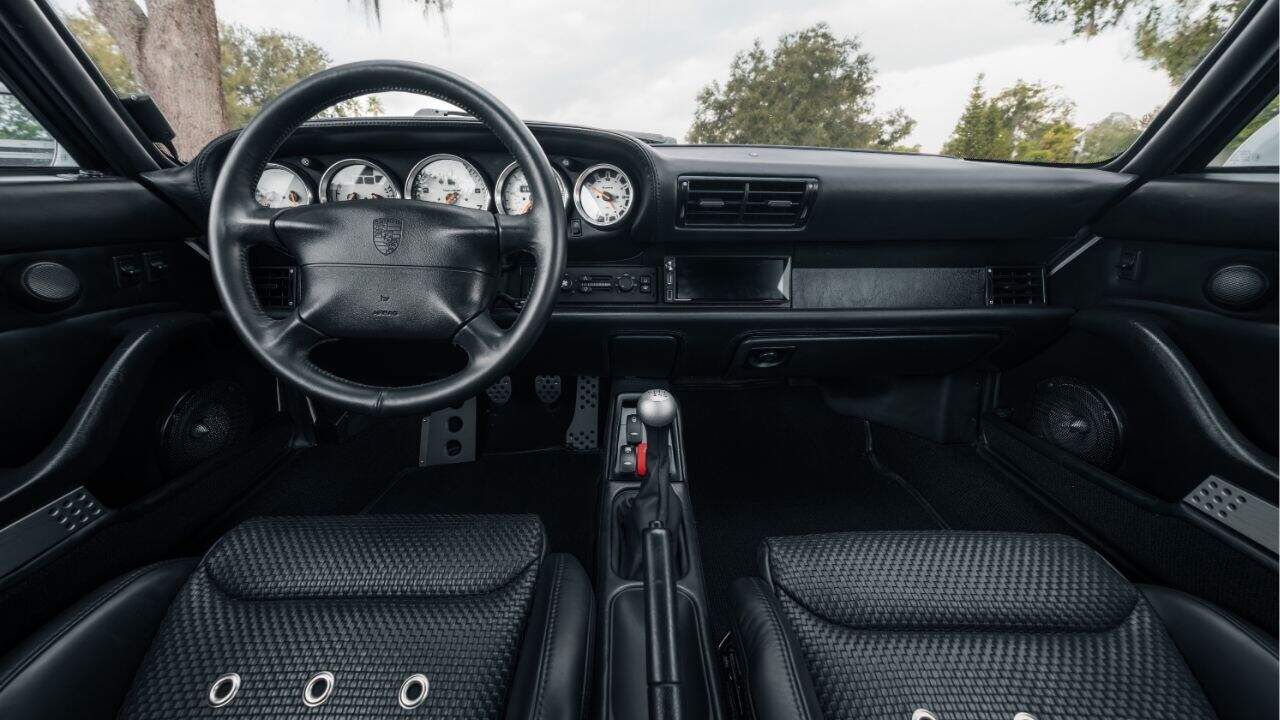
The interior of the 1967 Porsche 911 was designed with a clear focus on the driver. The dashboard featured a simple and functional layout with large gauges positioned directly in front of the steering wheel. This arrangement allowed the driver to monitor engine speed, vehicle speed, and other important information quickly.
The seating position was low and supportive, reinforcing the car’s sporty character. Materials used in the cabin emphasized durability and practicality while still providing a refined appearance.
Although the 911 was primarily designed as a sports car, it also offered reasonable comfort for longer journeys. The rear seats were small but could be used for additional passengers or cargo.
Legacy and Historical Importance
The 1967 Porsche 911 played a key role in establishing the long term reputation of the 911 model line. The introduction of performance variants such as the 911 S demonstrated Porsche’s ability to expand the platform while maintaining its core design philosophy.
Over the decades, the Porsche 911 has evolved through numerous generations while preserving the distinctive shape and rear engine layout introduced in the early models. This continuity has helped the 911 become one of the most enduring sports car designs in automotive history.
Collectors and enthusiasts often view the early 911 models as particularly important because they represent the origins of a vehicle that continues to define the Porsche brand.
The 1967 Porsche 911 stands as an important milestone in this legacy. It reflects the early years of development that shaped the performance, design, and engineering principles that continue to influence Porsche sports cars today.
FREQUENTLY ASKED
QUESTIONS
No FAQs configured yet.