


1988 Range Rover Classic
March 22, 2026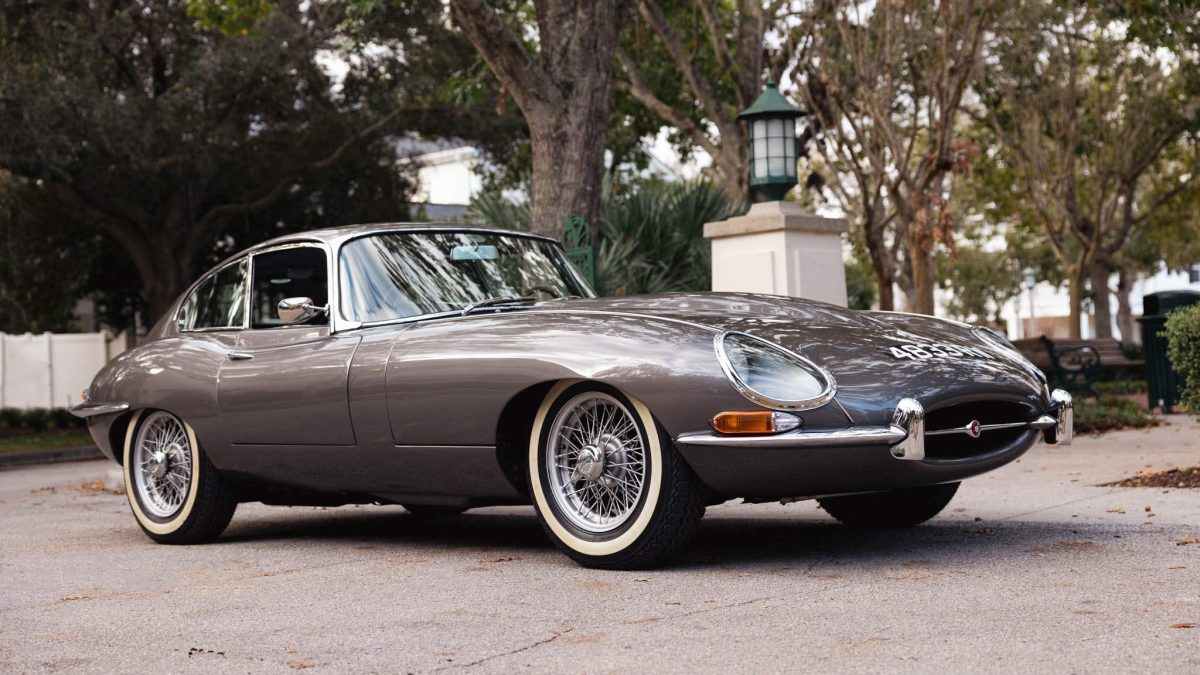
Introduction to the 1970 Jaguar E-Type
The 1970 Jaguar E-Type represents a significant stage in the evolution of one of the most celebrated sports cars in automotive history. First introduced in 1961, the Jaguar E-Type quickly gained international recognition for its combination of advanced engineering, high performance, and striking design. By the time the 1970 model was produced, the E-Type had already established itself as a symbol of British automotive excellence.
The 1970 version belonged to the Series 2 generation, which was produced from 1968 to 1971. During this period, Jaguar made several mechanical and design changes to meet new safety and emissions regulations, particularly for the important North American market. Although these updates slightly altered the appearance of the car, the E-Type remained one of the most admired sports cars of its era.
The 1970 Jaguar E-Type maintained the essential qualities that had defined the model since its debut. It combined elegant styling, strong performance, and advanced engineering that helped secure its lasting reputation in the world of classic automobiles.
Origins of the Jaguar E-Type
The development of the Jaguar E-Type began in the late 1950s as Jaguar sought to build a new sports car that could succeed the successful XK series. Jaguar had already gained considerable racing experience during the 1950s, particularly through its victories at endurance events such as the 24 Hours of Le Mans. Engineers at the company aimed to incorporate this racing knowledge into a road car that would offer exceptional performance.
Chief engineer William Heynes and aerodynamic specialist Malcolm Sayer played major roles in the design and engineering of the new vehicle. Sayer applied aerodynamic principles that had been developed during Jaguar’s racing programs to create a sleek and efficient body shape.
When the E-Type was unveiled at the 1961 Geneva Motor Show, it received immediate acclaim. Its long hood, smooth curves, and balanced proportions gave it a distinctive appearance that many observers considered revolutionary. The car also delivered impressive performance for its price, making it highly competitive with more expensive European sports cars.
Evolution Leading to the 1970 Model
The E-Type underwent several updates throughout the 1960s as Jaguar refined the car and responded to changing regulations and customer expectations. The earliest models are commonly known as Series 1 vehicles and are often recognized for their covered headlamps and simple interior design.
In 1968 Jaguar introduced the Series 2 version of the E-Type. This new generation included a number of modifications that improved reliability, cooling, and safety. These changes were influenced largely by regulations in the United States, which had become the car’s most important export market.
By 1970 the Series 2 E-Type had matured into a more refined version of the original concept. While some design details had changed, the car continued to offer strong performance and elegant styling that remained true to Jaguar’s engineering philosophy.
Exterior Design and Styling
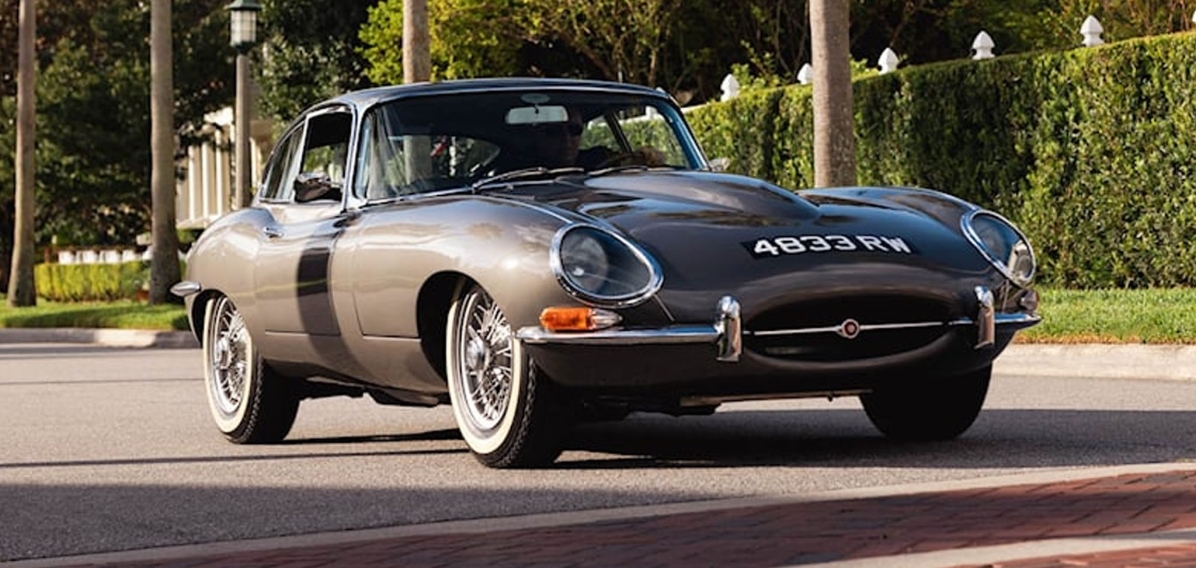
The 1970 Jaguar E-Type retained the overall shape that had made the model famous. The car featured a long front hood, a compact passenger cabin, and a smooth rear profile. This layout not only created an attractive design but also allowed space for the powerful inline six cylinder engine that defined the car’s performance.
One noticeable change introduced with the Series 2 models was the removal of the glass headlamp covers that had been used on earlier versions. This modification was required to meet American lighting regulations. The front of the car also received a slightly larger grille opening, which improved engine cooling.
Additional changes included repositioned front indicators and larger rear lights. These updates improved visibility and safety while maintaining the recognizable appearance of the E-Type.
The vehicle was available in both fixed head coupe and open two seat roadster versions. Both body styles preserved the graceful proportions that had become closely associated with the Jaguar brand.
Engine and Performance
The 1970 Jaguar E-Type was powered by Jaguar’s well known 4.2 liter inline six cylinder engine. This engine had been introduced earlier in the decade and was valued for its smooth operation and strong torque output. It produced around 265 horsepower, which allowed the E-Type to deliver impressive performance for a road car of the period.
The engine was paired with a four speed manual transmission that allowed drivers to fully utilize the car’s power. Some versions were also available with automatic transmissions, particularly in export markets.
The E-Type’s performance remained competitive in the sports car market. Acceleration was strong and the vehicle was capable of reaching top speeds that exceeded many rival models. The engine’s torque characteristics also made the car relatively easy to drive during normal road use.
Suspension and Driving Characteristics
One of the most advanced aspects of the E-Type’s design was its suspension system. The front suspension used independent wishbones and torsion bars, which helped provide precise handling and improved ride comfort.
At the rear, the car used an independent suspension system that was mounted within a separate subframe. This design incorporated inboard disc brakes, which helped reduce unsprung weight and improve overall handling performance.
These engineering features allowed the E-Type to deliver a combination of stability, comfort, and responsive handling. The car could be driven confidently at high speeds while still maintaining the smooth ride expected from a Jaguar.
Interior and Driver Experience
The interior of the 1970 Jaguar E-Type reflected the balance between sport and refinement that characterized the vehicle. The dashboard featured a clear arrangement of gauges and controls that allowed the driver to monitor engine performance and vehicle speed.
Comfortable seating and quality materials helped create a more refined driving environment compared with many other sports cars of the time. Leather upholstery and wood trim were commonly used, giving the cabin a distinctive British character.
While the E-Type remained a performance oriented vehicle, these interior features made it suitable for longer journeys and everyday driving.
Legacy and Historical Importance
The Jaguar E-Type is widely considered one of the most important sports cars ever produced. Its combination of innovative engineering, strong performance, and elegant design helped shape the image of Jaguar throughout the 1960s and beyond.
The 1970 model represents one of the final stages of the Series 2 generation before the introduction of the Series 3 E-Type in 1971, which brought a new V12 engine and further design changes. As a result, the 1970 E-Type reflects the culmination of nearly a decade of refinement based on the original concept introduced in 1961.
Today, the E-Type remains highly respected among collectors and automotive historians. Vehicles from the Series 2 period are valued for their balance between classic styling and improved mechanical reliability.
The 1970 Jaguar E-Type stands as a lasting example of British sports car engineering. Its influence continues to shape automotive design and performance standards, and it remains one of the most admired classic cars in automotive history.
FREQUENTLY ASKED
QUESTIONS
No FAQs configured yet.