


The Quiet Luxury of a Range Rover Classic in a Loud SUV World
April 1, 2026
Owning a E-Type Today: Beauty, Attention, and Reality
April 3, 2026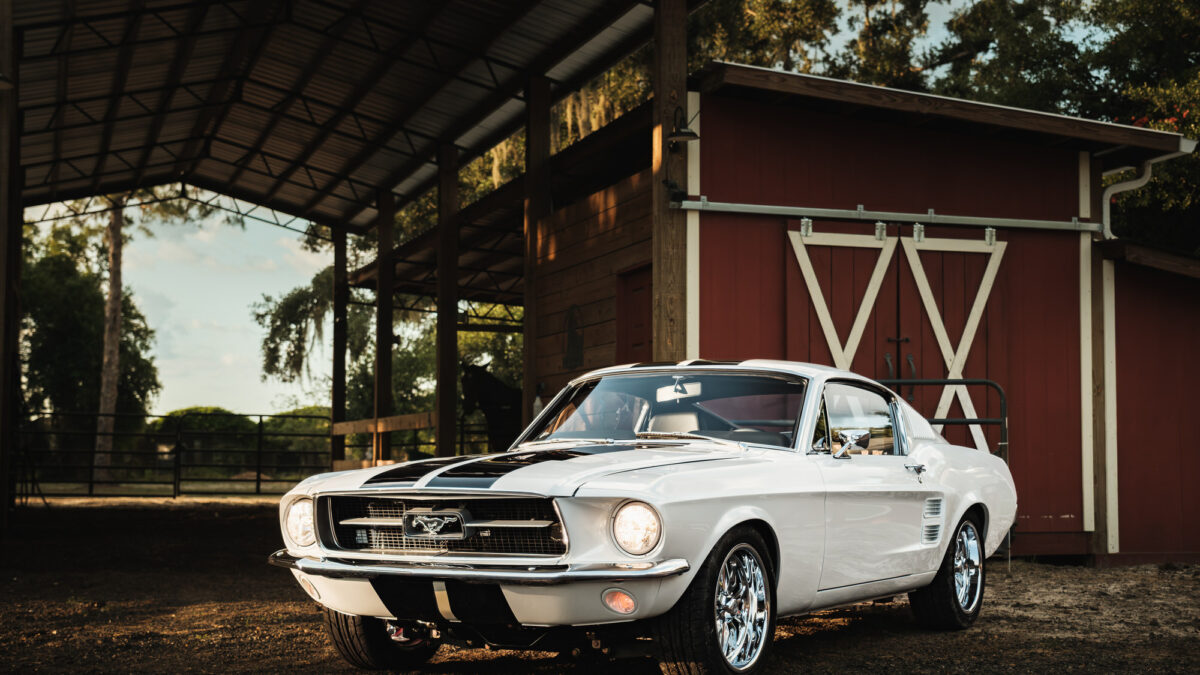
The 1971 Mustang represents a major turning point in the evolution of Ford’s iconic pony car. Introduced at the beginning of a new design generation, the 1971 model marked a shift toward larger dimensions, more aggressive styling, and increased performance potential. It reflects the changing priorities of the American automotive market during the early 1970s, when power, presence, and comfort were becoming more important to buyers.
Origins and Development
The Ford Mustang was first introduced in 1964 as a compact and sporty car designed to appeal to younger drivers. Its early success established it as a cultural icon. However, by the end of the 1960s, the market had begun to change. Competitors were introducing larger and more powerful vehicles, and customer expectations were evolving.
To remain competitive, Ford developed a new generation of the Mustang for 1971. This redesign was led by Ford stylist Larry Shinoda, who aimed to give the car a more muscular and commanding appearance while maintaining its sporty identity.
Key development goals included:
- Increasing overall size to match competing muscle cars
- Enhancing engine options for improved performance
- Updating styling to reflect a more aggressive design language
- Expanding interior space for greater comfort
The result was the largest Mustang ever produced up to that time, signaling a clear departure from the original compact concept.
Design and Styling
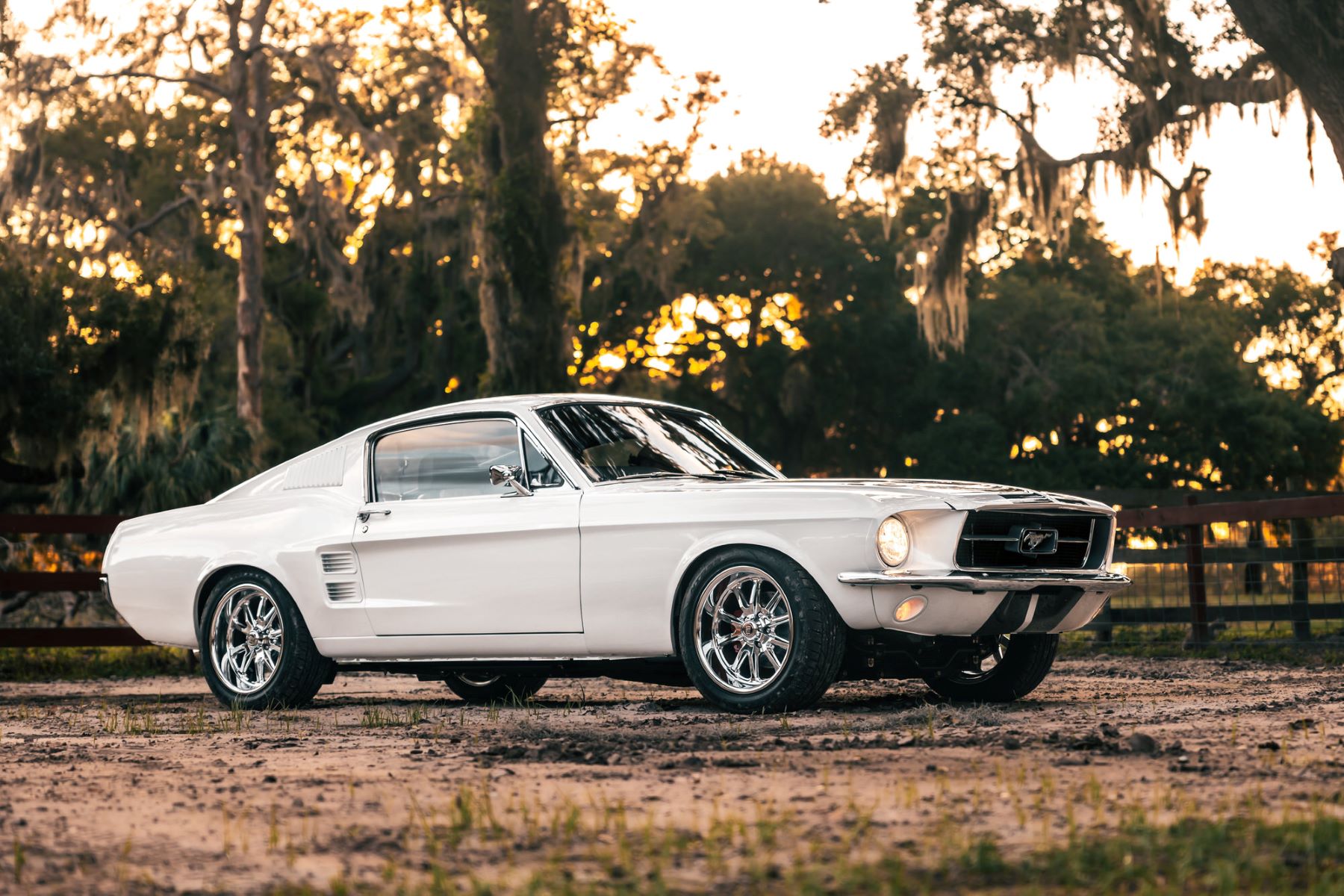
The 1971 Mustang featured a completely new exterior design. It was longer, wider, and lower than previous models, giving it a more substantial road presence.
Notable design elements included:
- Extended hood with a pronounced central bulge
- Fastback roofline with a sweeping rear profile
- Wider track for improved stability
- Large grille and deeply set headlights
- Sculpted body sides that emphasized its muscular proportions
The SportsRoof fastback model became one of the most recognizable versions of the 1971 Mustang. Its dramatic shape appealed to buyers seeking both performance and visual impact.
Despite its bold styling, the increased size and weight affected the car’s agility compared to earlier Mustangs. This trade off reflected the broader trend in the industry at the time.
Engine Options and Performance
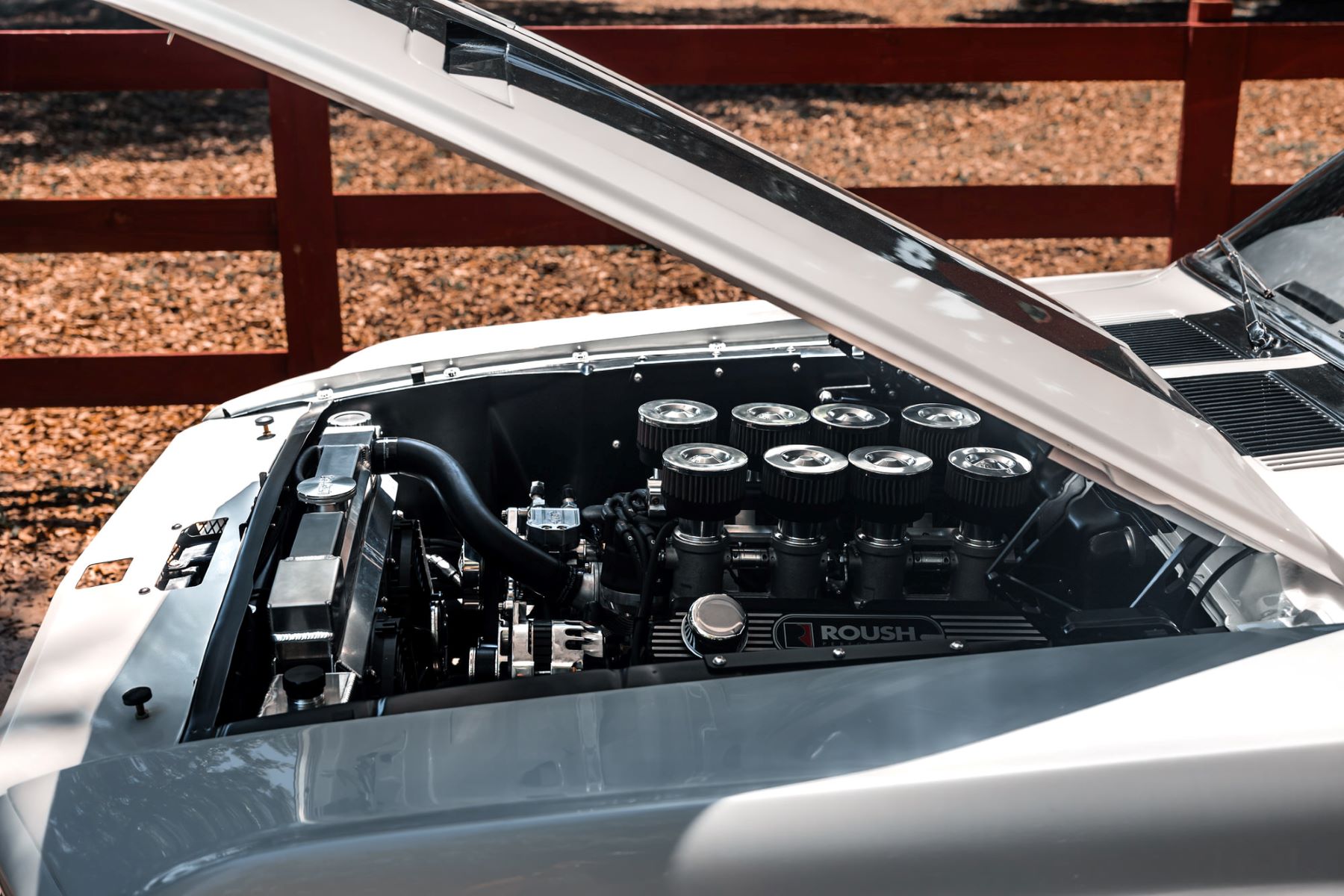
The 1971 Mustang offered a wide range of engine choices, allowing buyers to select a configuration that suited their performance needs.
Available engines included:
- Inline six cylinder engine for basic transportation
- Small block V8 options for balanced performance
- Big block V8 engines for maximum power
One of the most notable options was the 429 cubic inch V8, which was available in high performance variants. These engines delivered significant horsepower and torque, making the Mustang competitive in the muscle car segment.
Performance highlights included:
- Strong straight line acceleration, especially with big block engines
- Availability of manual and automatic transmissions
- Improved suspension tuning for handling stability
- Optional performance packages that enhanced driving dynamics
However, by 1971, tightening emissions regulations and rising insurance costs were beginning to impact the muscle car market. This would gradually reduce the emphasis on high horsepower engines in the following years.

Interior and Features
The interior of the 1971 Mustang reflected its move toward a more mature and comfortable driving experience. While still focused on performance, the cabin offered improved materials and additional features.
Interior characteristics included:
- Redesigned dashboard with a driver focused layout
- High back bucket seats for better support
- Increased cabin space compared to earlier models
- Optional center console and upgraded trim packages
Additional features such as air conditioning, power windows, and premium audio systems were available in higher trims. These options helped position the Mustang as both a performance car and a practical daily driver.
Market Context and Challenges
The early 1970s were a period of significant change for the automotive industry. Several factors influenced the design and reception of the 1971 Mustang:
- Stricter emissions regulations reduced engine performance
- Rising fuel prices began to shift consumer preferences
- Increasing insurance costs made high performance cars less accessible
- Growing competition from both domestic and international manufacturers
These challenges affected the entire muscle car segment. While the 1971 Mustang offered strong performance and bold styling, it entered a market that was beginning to move away from large, powerful vehicles.
Legacy and Historical Significance
The 1971 Mustang holds an important place in Mustang history. It represents the peak of the car’s growth in size and power before the industry shifted toward more efficient designs.
Key aspects of its legacy include:
- Introduction of the largest and most aggressive Mustang design up to that time
- Availability of powerful big block engine options, including the 429 V8
- Reflection of the changing automotive landscape of the early 1970s
- Continued popularity among collectors who appreciate its distinctive styling
Although later Mustangs would become smaller and more fuel efficient, the 1971 model remains a symbol of the final era of traditional American muscle cars.
Conclusion
The 1971 Mustang stands as a defining example of how the Mustang evolved to meet changing market demands. Its larger size, bold design, and wide range of engine options highlight a period when performance and visual impact were key priorities.
At the same time, it reflects the beginning of a transition in the automotive world. As regulations and consumer preferences shifted, the era of large muscle cars began to fade. The 1971 Mustang captures this moment of change, making it a significant and memorable chapter in the history of the Mustang name.
FREQUENTLY ASKED
QUESTIONS
No FAQs configured yet.