

1989 Range Rover Classic
March 30, 2026
The Quiet Luxury of a Range Rover Classic in a Loud SUV World
April 1, 2026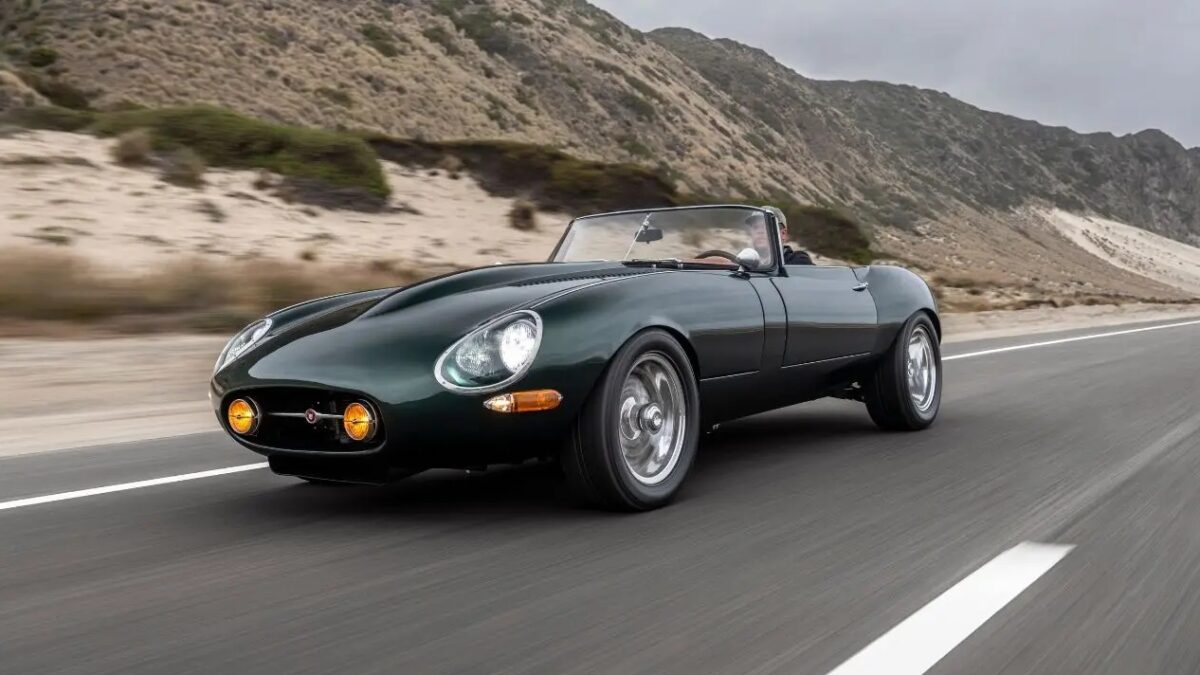
The 1974 Jaguar E-Type represents the final chapter of one of the most celebrated sports cars in automotive history. Introduced in 1961, the E-Type quickly gained recognition for its advanced engineering, striking design, and strong performance.
By 1974, the model had undergone several transformations, evolving from a lightweight sports car into a more refined grand touring vehicle. The final year of production marks an important moment, as it reflects both the achievements and the challenges faced by Jaguar during this era.
Origins and Evolution
The Jaguar E-Type was originally developed as a successor to the D-Type racing car, incorporating lessons learned from motorsport into a road-going design. Early versions focused on speed, agility, and aerodynamic efficiency. Over time, changing market demands and regulations required Jaguar to adapt the vehicle.
Key stages of development leading to the 1974 model included:
- Series 1 models were introduced in 1961, known for their lightweight construction and covered headlights
- Series 2 updates in the late 1960s, featuring improved safety and cooling systems
- Series 3 introduction in 1971, which brought significant mechanical and design changes
The 1974 model belongs to the Series 3 generation. This version reflected a shift toward comfort and usability, particularly for the North American market, which had become increasingly important for Jaguar.

Design and Styling
The design of the 1974 E-Type retained the iconic long hood and flowing lines that defined the original model. However, several updates were made over the years to meet safety regulations and improve practicality.
Notable design features included:
- An extended front grille opening for better engine cooling
- Wider wheel arches to accommodate larger tires
- Four exhaust outlets emphasize the car’s performance character
- Distinctive V12 badging on Series 3 models
The 1974 version was only available in the longer wheelbase configuration. This change allowed Jaguar to offer more interior space and improve ride comfort. The car was primarily offered as a convertible, often referred to as the Roadster.
While some enthusiasts preferred the purity of earlier models, the later design reflected the realities of evolving automotive standards and customer expectations.
Engine and Performance
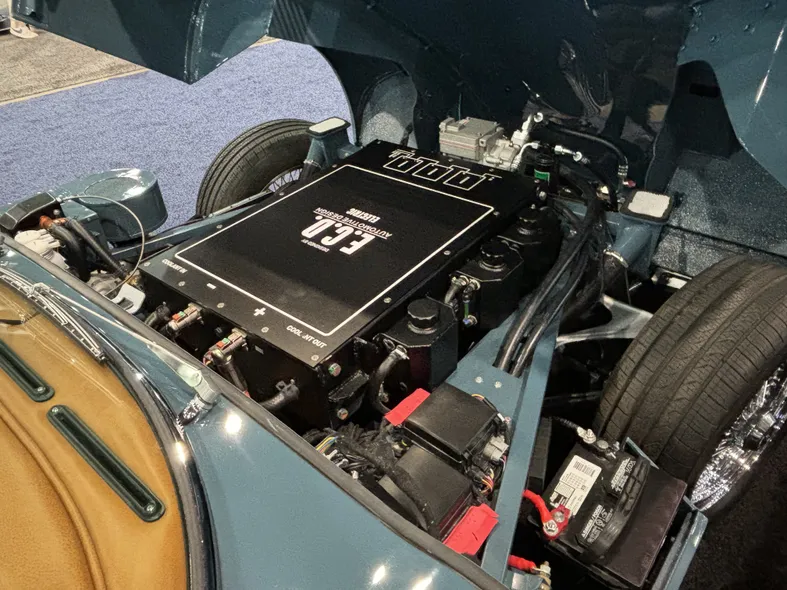
One of the most significant changes introduced with the Series 3 E-Type was the adoption of a V12 engine. By 1974, this engine had become the defining feature of the model.
Key engine specifications included:
- 5.3 liter V12 petrol engine
- Smooth and powerful performance with strong torque delivery
- Carbureted fuel system designed to meet emissions requirements
- Reduced compression ratios in some markets due to regulatory standards
Performance characteristics:
- Strong acceleration suited for grand touring rather than aggressive sports driving
- High top speed compared to many contemporary vehicles
- Smooth and quiet engine operation, enhancing driving comfort
The transition to a V12 engine marked a shift in the E-Type’s identity. It became less of a raw sports car and more of a refined high-speed touring vehicle.

Interior and Comfort
The interior of the 1974 E-Type reflected its evolution toward luxury. Compared to earlier models, the cabin offered improved comfort and convenience features.
Interior highlights included:
- Leather-trimmed seats with improved cushioning
- More spacious cabin due to the longer wheelbase
- Updated dashboard layout with clearer instrumentation
- Air conditioning available in many models, especially for export markets
These changes made the car more suitable for long-distance driving. The focus on comfort aligned with the expectations of buyers in key markets such as the United States.
Regulatory Influence and Final Production Year
The early 1970s brought significant regulatory changes, particularly in the United States. Stricter emissions and safety standards had a direct impact on automotive design and performance.
For the 1974 E-Type:
- Emissions regulations led to reduced engine output in some versions
- Safety requirements influenced bumper design and overall structure
- Rising production costs and changing market trends affected demand
1974 marked the end of E-Type production. Jaguar decided to discontinue the model rather than continue adapting it to increasingly strict regulations. It was replaced by the Jaguar XJ S, which took a different approach to performance and luxury.
Legacy and Historical Significance
The Jaguar E-Type remains one of the most iconic sports cars ever produced. The 1974 model holds a unique place as the final iteration of this legendary line.
Key aspects of its legacy include:
- Recognition as a design masterpiece, often cited among the most beautiful cars ever made
- Influence on future sports car design and engineering
- Transition point from classic sports cars to modern grand touring vehicles
- Continued popularity among collectors and enthusiasts
Although the final models differed from the original concept, they demonstrate how the E Type adapted to a changing automotive landscape.
Conclusion
The 1974 Jaguar E-Type represents the conclusion of a remarkable automotive journey. It reflects more than a decade of continuous development, shaped by innovation, regulation, and market demand.
As the last version of the E Type, it captures both the strengths and compromises of its time. Its combination of distinctive design, powerful V12 engine, and improved comfort ensures its lasting significance in automotive history. Today, it stands as a symbol of Jaguar’s engineering heritage and a reminder of an era when performance and style defined the identity of a sports car.
FREQUENTLY ASKED
QUESTIONS
No FAQs configured yet.