


1965 Porsche 911
March 21, 2026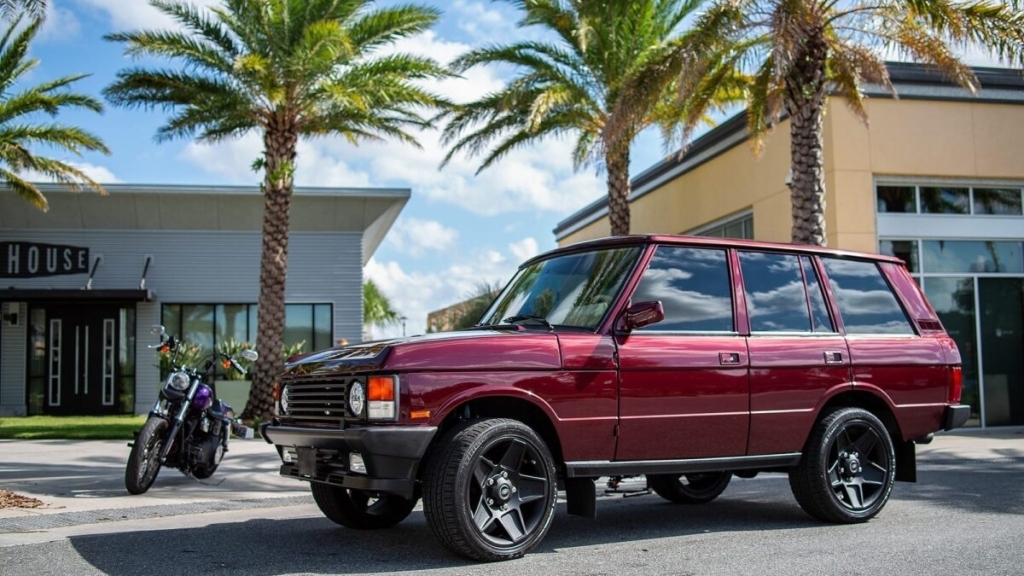
Introduction to the 1988 Range Rover Classic
The 1988 Range Rover Classic represents an important stage in the evolution of one of the most influential luxury off road vehicles ever produced. When the Range Rover was first introduced in 1970, it created a new type of vehicle that blended strong off road performance with comfort and refinement. By the late 1980s, the model had developed into a more sophisticated vehicle while still preserving the rugged character that defined its early years.
The 1988 model arrived during a period when sport utility vehicles were becoming more popular in global markets. Drivers were beginning to expect more comfort and convenience from vehicles that were traditionally designed for work and utility. Land Rover responded by refining the Range Rover Classic with improved interior features, better mechanical systems, and increased attention to passenger comfort. At the same time, the vehicle continued to deliver the off road capability that had made it famous.
As a result, the 1988 Range Rover Classic stands as a strong example of how Land Rover successfully combined traditional engineering with evolving customer expectations.
Origins of the Range Rover
The development of the Range Rover began in the mid 1960s when engineers at Land Rover started working on a vehicle that would expand the brand’s capabilities. Earlier Land Rover models such as the Series I, II, and III were extremely capable in rough terrain but offered limited comfort and refinement for daily use. These vehicles were designed primarily for agriculture, military use, and remote transportation.
Land Rover engineers wanted to create a vehicle that could maintain the same level of durability and off road performance while also being suitable for regular road driving. The goal was to produce a vehicle that could travel comfortably on highways yet remain capable of tackling challenging terrain.
The first Range Rover was introduced in 1970. It featured permanent four wheel drive, coil spring suspension, and a powerful V8 engine. These features were unusual for off road vehicles at the time and immediately set the Range Rover apart from its competitors. The design quickly gained recognition for its balance of strength, performance, and practicality.
Development Through the 1980s
During the 1970s and early 1980s, the Range Rover Classic continued to evolve through gradual improvements rather than dramatic redesigns. The vehicle retained its distinctive shape and mechanical layout while gaining updates that improved reliability, comfort, and performance.
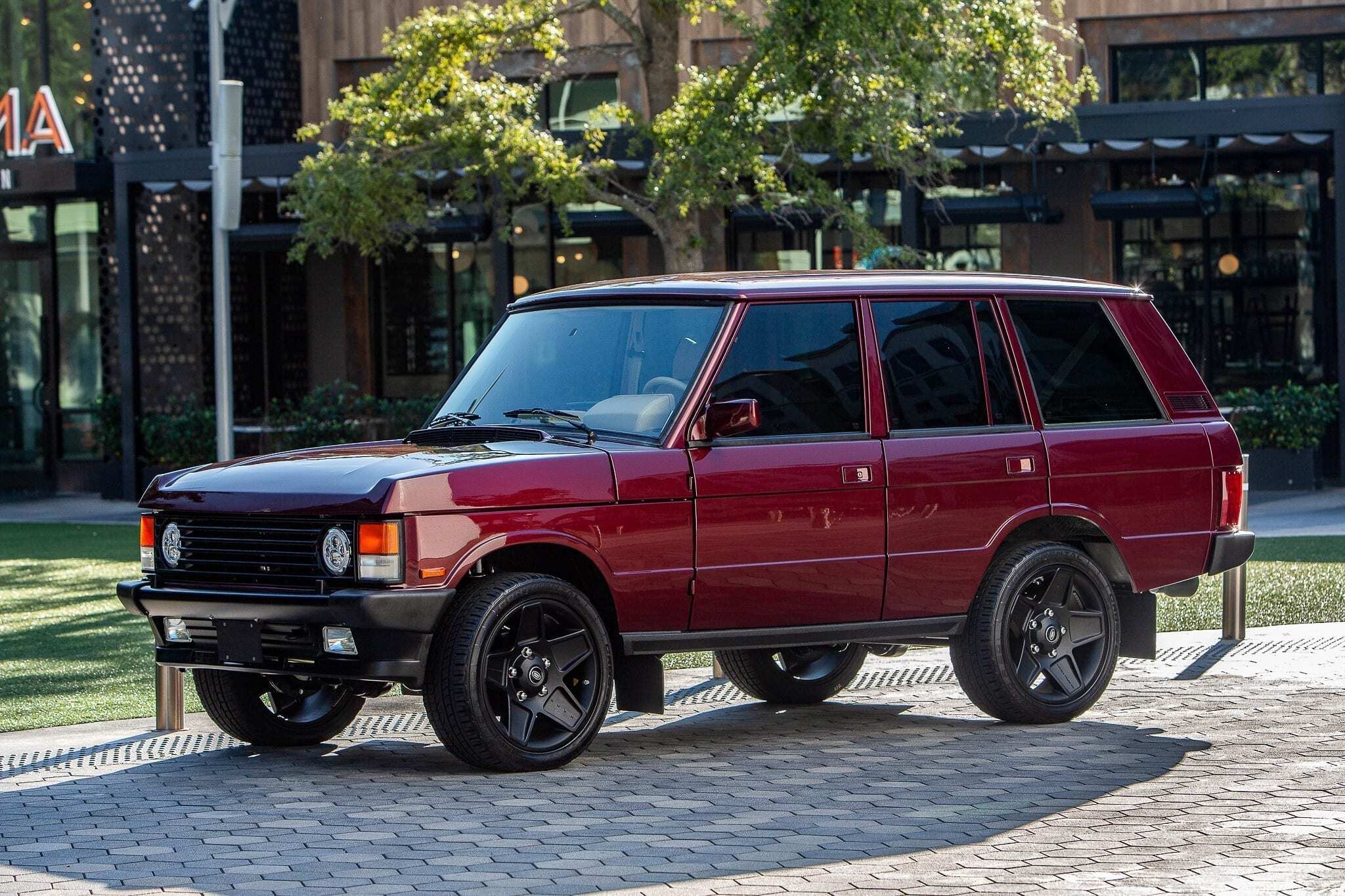
One of the most important changes occurred in 1981 when Land Rover introduced a four door version of the Range Rover. Earlier models had only two doors, which limited practicality for families and passengers. The addition of rear doors made the vehicle far more versatile and helped it appeal to a wider audience.
Throughout the 1980s, Land Rover also upgraded the vehicle’s transmission systems, interior materials, and electrical components. Improvements in fuel delivery systems and engine tuning helped enhance performance and efficiency. By the time the 1988 model was introduced, the Range Rover Classic had become a more refined and well balanced vehicle.
Exterior Design and Construction
The exterior design of the 1988 Range Rover Classic remained closely tied to the original concept introduced nearly two decades earlier. The body featured straight lines, a flat hood, and large windows that provided excellent visibility for the driver. This simple design was both functional and visually distinctive.
One of the key engineering features of the Range Rover was its construction. The vehicle used aluminum alloy body panels mounted on a steel ladder frame chassis. This combination reduced weight while maintaining the strength necessary for demanding off road use. Aluminum panels also provided better resistance to corrosion, which was particularly valuable for vehicles used in harsh environments.
The rear of the vehicle featured the well known two piece tailgate. The upper section lifted upward while the lower section folded downward. This design made it easier to load cargo and provided a convenient platform when accessing the rear storage area.
Engine and Mechanical Systems
The 1988 Range Rover Classic was typically powered by the well known 3.5 liter aluminum V8 engine. This engine had been used in the Range Rover since its introduction and had earned a reputation for smooth operation and strong torque output. The engine provided enough power to move the vehicle confidently on both paved roads and difficult terrain.
In many markets, the engine was equipped with electronic fuel injection rather than traditional carburetors. This improvement allowed for better throttle response, improved fuel efficiency, and more reliable engine performance in different climates and elevations.
The vehicle was available with both manual and automatic transmissions depending on the market and customer preference. Regardless of transmission choice, the Range Rover retained its permanent four wheel drive system and two speed transfer case. This setup allowed drivers to select low range gearing for difficult off road conditions.
A locking center differential could be engaged when additional traction was needed. This system ensured that power could be distributed effectively to both axles when driving on slippery surfaces such as mud, snow, or loose gravel.
Interior Features and Comfort
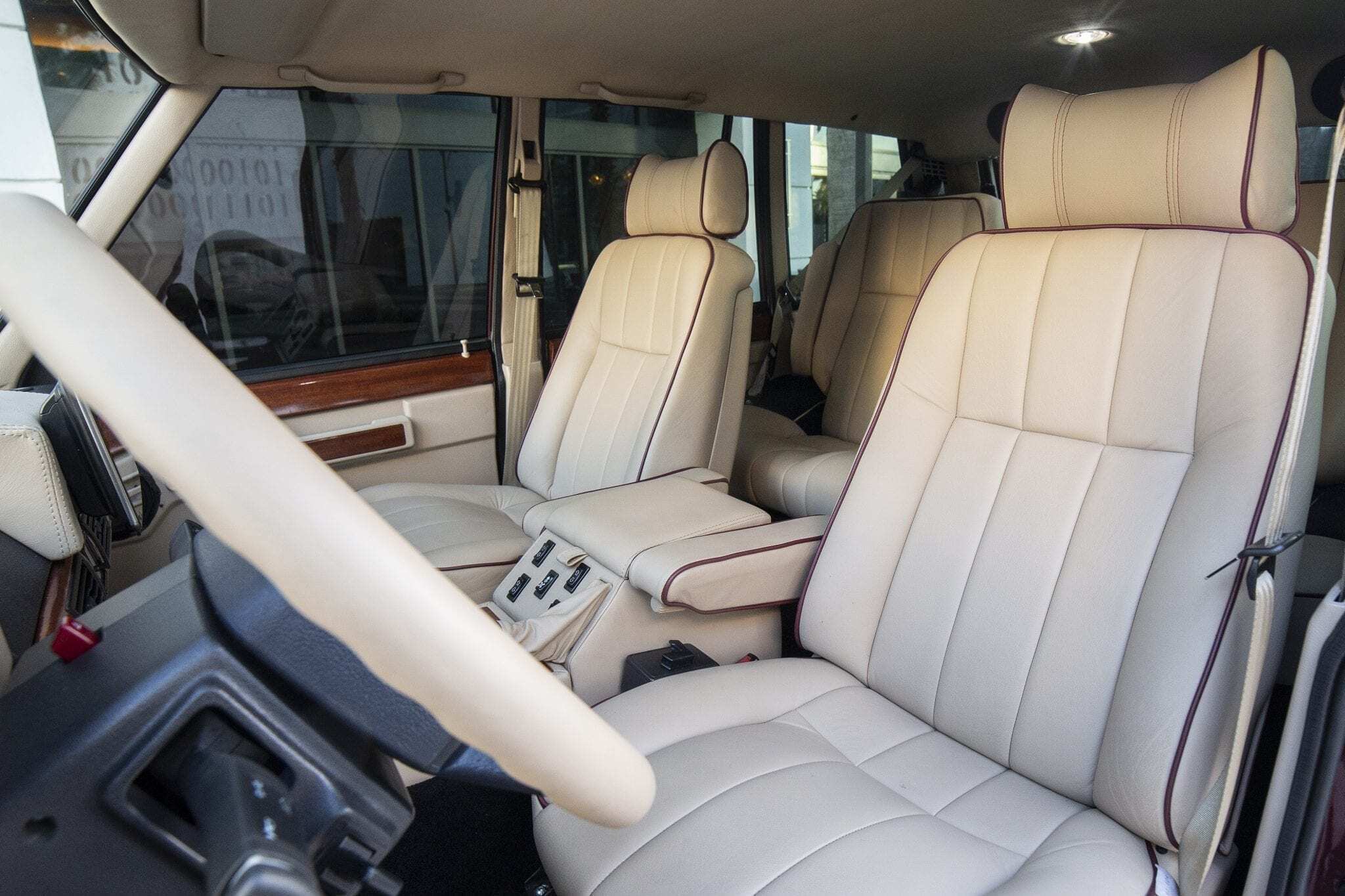
While the early Range Rover models focused mainly on utility, the vehicle became increasingly comfortable during the 1980s. By the time the 1988 model was introduced, the interior offered a level of refinement that was uncommon for off road vehicles of the period.
The cabin included improved seating materials, better sound insulation, and a more organized dashboard layout. Many models were equipped with features such as air conditioning, power windows, and upgraded audio systems. Leather upholstery was available in some markets, further emphasizing the vehicle’s move toward the luxury segment.
Despite these improvements, the interior design still reflected the practical nature of the vehicle. Controls were easy to reach and the cabin offered flexible cargo space. The combination of durability and comfort made the Range Rover suitable for both everyday transportation and long distance travel.
Off Road Capability
Off road performance remained a defining feature of the Range Rover Classic. The coil spring suspension system provided excellent wheel articulation and helped maintain traction on uneven surfaces. Compared with the leaf springs used in earlier Land Rover vehicles, the coil springs also improved ride comfort on paved roads.
The permanent four wheel drive system ensured consistent traction across all four wheels. Combined with generous ground clearance and strong chassis construction, the vehicle could navigate steep slopes, rocky trails, and muddy paths with confidence.
Because of these capabilities, the Range Rover was widely used for exploration and remote travel. It proved capable of operating in deserts, mountains, and other challenging environments around the world.
Legacy and Historical Importance
The 1988 Range Rover Classic represents an important chapter in the development of luxury sport utility vehicles. At a time when many off road vehicles remained simple utility machines, the Range Rover demonstrated that comfort and capability could exist in the same vehicle.
This philosophy later influenced the entire automotive industry. Many manufacturers began producing vehicles that combined advanced four wheel drive systems with refined interiors and powerful engines.
Today, the Range Rover Classic is highly respected among collectors and enthusiasts. Models from the late 1980s are particularly appreciated because they combine the timeless design of the original vehicle with improved technology and comfort.
The 1988 model stands as a clear example of Land Rover’s ability to refine its vehicles while maintaining the core principles of strength, versatility, and off road capability. Its legacy continues to influence modern sport utility vehicles and remains an important part of automotive history.
FREQUENTLY ASKED
QUESTIONS
No FAQs configured yet.