

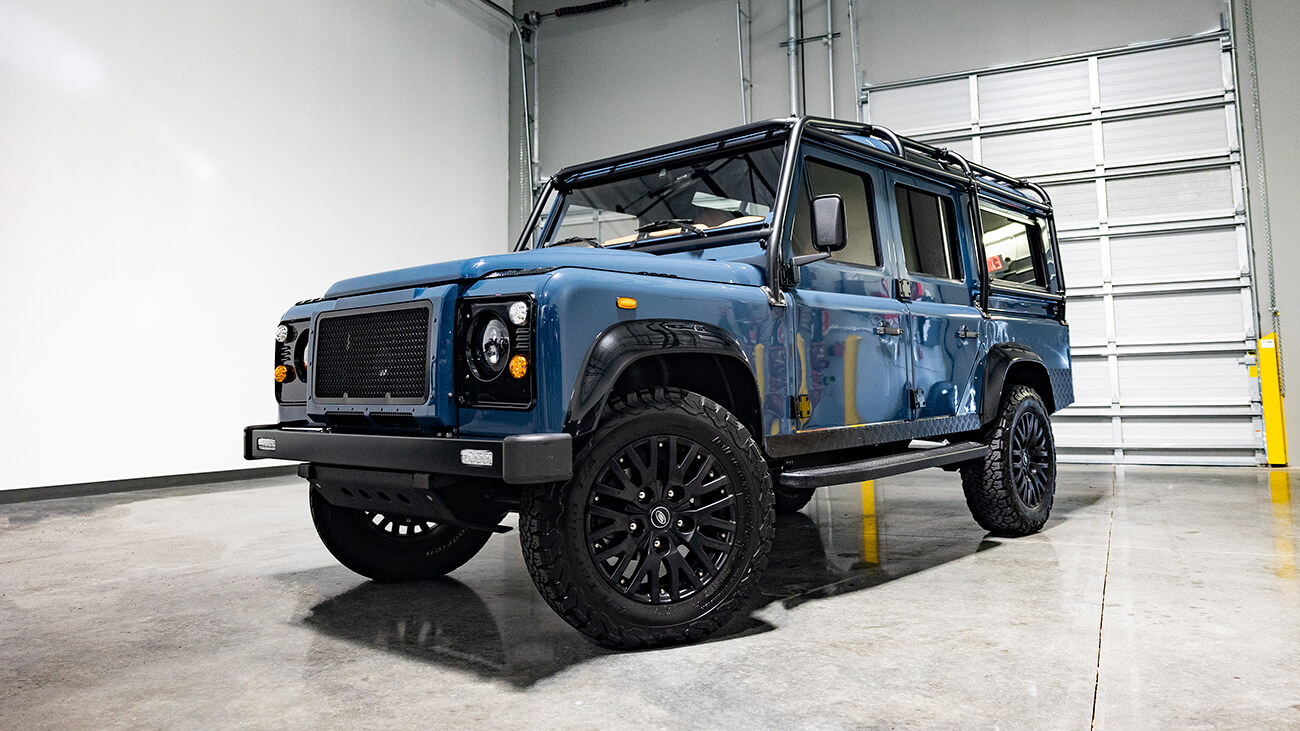
1993 Defender 110
March 30, 2026
1974 Jaguar E-Type
April 1, 2026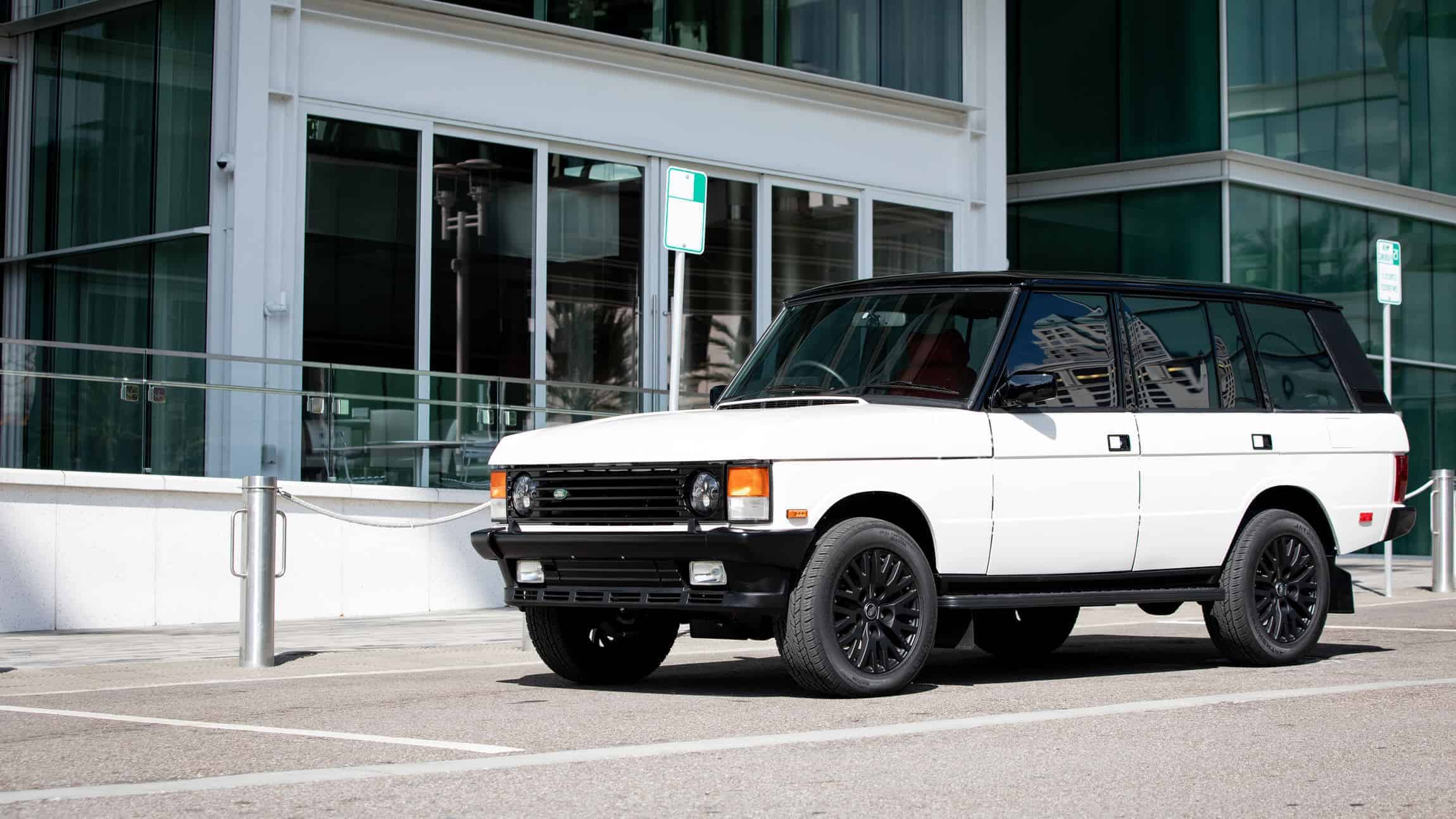
The 1989 Range Rover Classic represents a key moment in the evolution of luxury off road vehicles. By the late 1980s, the Range Rover had already established itself as a unique product that combined strong off road capability with increasing levels of comfort and refinement. The 1989 model reflects this balance, offering both durability and improved features that appealed to a broader market.
Origins and Development
The Range Rover was first introduced in 1970 by Land Rover as a more refined alternative to its utility focused vehicles. While early models were relatively simple, they introduced the concept of a vehicle that could perform equally well on rough terrain and paved roads.
During the 1980s, the Range Rover underwent steady development. Improvements in comfort, technology, and design helped position it as a premium vehicle without sacrificing its off road strength. By 1989, the model had evolved significantly from its early two door configuration.
Key developments leading up to 1989 included:
- Introduction of the four door body style in the early 1980s
- Expansion into international markets, including North America
- Upgrades to interior materials and overall build quality
- Introduction of more advanced fuel systems and engine refinements
The 1989 Range Rover Classic reflects these updates, standing as a mature version of the original concept.
Design and Construction
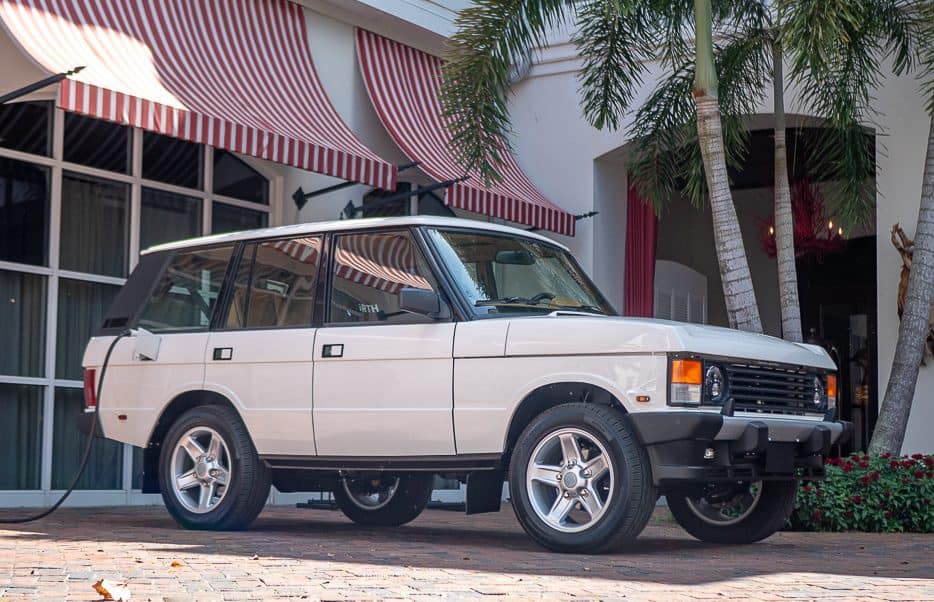
The design of the 1989 Range Rover Classic remained faithful to the original shape introduced in 1970. Its clean lines and balanced proportions contributed to a timeless appearance that has remained influential.
Important design features included:
- Boxy yet refined exterior styling with large glass areas
- Aluminum body panels mounted on a strong steel frame
- Split tailgate design for practicality and ease of loading
- High ground clearance for off road use
The structure combined strength with relatively light weight, which helped improve both performance and fuel efficiency compared to heavier competitors.
The four door configuration provided improved access and practicality, making the vehicle more suitable for family and executive use.
Engine and Performance
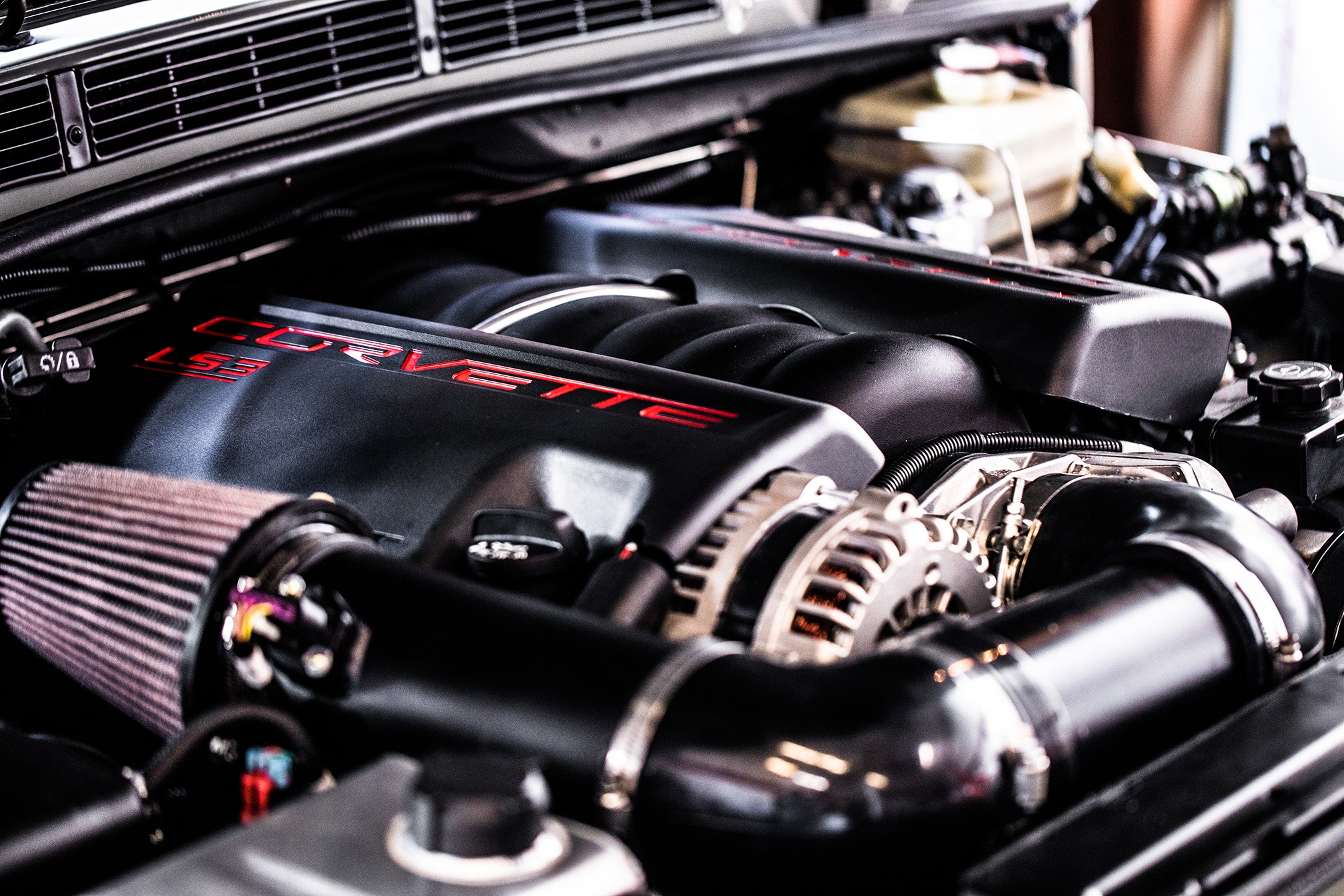
The 1989 Range Rover Classic was typically equipped with the Rover V8 engine, which had become a defining feature of the model. This engine was known for its smooth performance and strong torque delivery.
Key engine characteristics included:
- 3.5 liter or 3.9 liter V8 petrol engine options
- Aluminum engine construction for reduced weight
- Strong low end torque for off road driving
- Smooth power delivery for on road comfort
The vehicle retained a permanent four wheel drive system, ensuring continuous traction in all driving conditions. This system was paired with a two speed transfer case, allowing drivers to select low range gearing when needed.
Performance and capability highlights:
- Coil spring suspension for improved ride quality
- Solid axles for durability and articulation
- Ability to handle steep inclines and uneven terrain
- Balanced performance on both highways and rough tracks
The Range Rover Classic was one of the few vehicles of its time that could combine comfort with genuine off road capability.

Interior and Comfort Features
By 1989, the Range Rover Classic had moved further into the luxury segment. The interior reflected this shift, offering more comfort and refinement than earlier models.
Notable interior features included:
- Upholstered seats with improved cushioning
- Use of wood and soft touch materials in higher trims
- Air conditioning and improved ventilation systems
- Power windows and central locking in many models
The cabin layout remained simple but functional. Large windows provided excellent visibility, which was especially useful in off road conditions.
Noise insulation and ride comfort had also improved, making the vehicle more suitable for long distance travel.
Global Impact and Applications
The 1989 Range Rover Classic played an important role in expanding the appeal of sport utility vehicles worldwide. It was used in a variety of environments and by a wide range of owners.
Common uses included:
- Personal luxury transport
- Off road exploration and expeditions
- Rural and agricultural applications
- Government and official use
Its versatility made it popular in regions with challenging terrain, while its comfort attracted urban buyers seeking a capable yet refined vehicle.
Legacy and Historical Significance
The Range Rover Classic is widely regarded as a pioneer of the modern luxury SUV segment. The 1989 model represents a stage where the concept had fully matured.
Key elements of its legacy include:
- Establishment of the luxury off road vehicle category
- Influence on later Range Rover models and competing brands
- Combination of traditional engineering with modern comfort features
- Continued popularity among collectors and enthusiasts
The design and engineering principles introduced and refined during this period have influenced countless vehicles that followed.
Conclusion
The 1989 Range Rover Classic stands as a landmark in automotive history. It successfully combined the rugged capability of traditional Land Rover vehicles with increasing levels of comfort and sophistication.
Its balanced approach to design and performance helped define a new segment in the automotive industry. Decades later, it remains an important reference point for understanding the development of modern sport utility vehicles.
FREQUENTLY ASKED
QUESTIONS
No FAQs configured yet.