


What Most Buyers Get Wrong When Spec’ing a Land Rover Defender (And Regret Later)
May 5, 2026
1992 Defender
May 7, 2026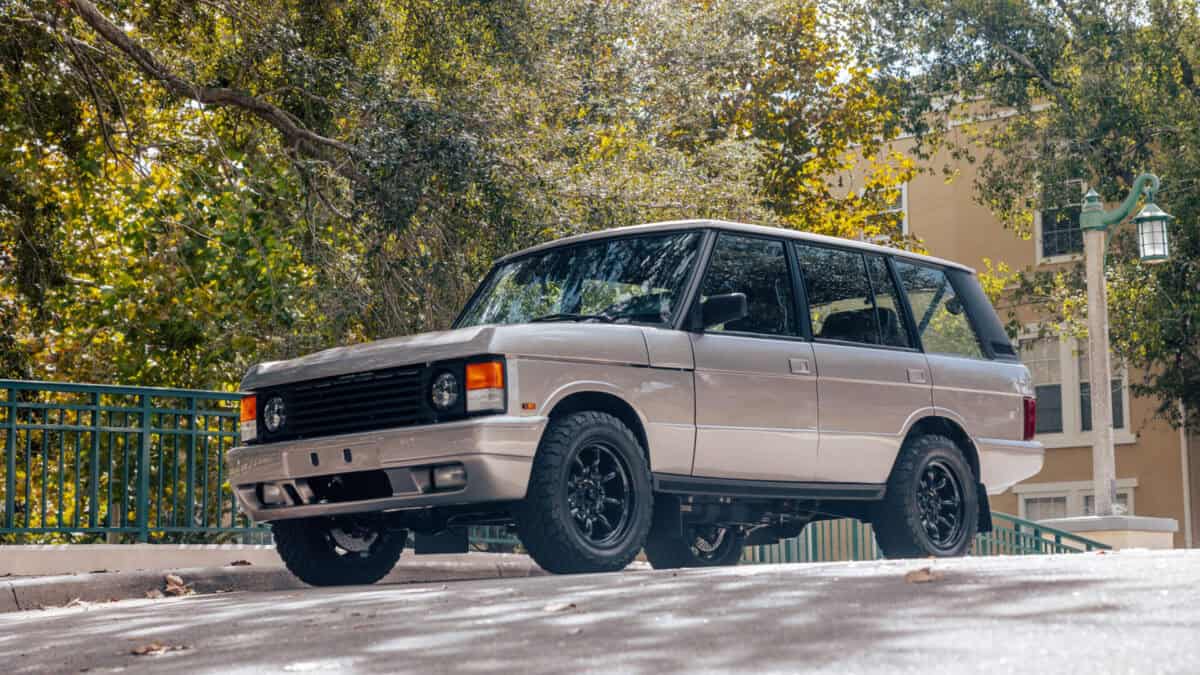
The market for the Range Rover Classic has changed dramatically over the last few years. What was once viewed as an aging luxury SUV is now one of the most desirable vintage SUVs on the road. As values continue climbing, buyers are entering the market willing to spend six figures for properly restored examples. The problem is that not every build deserves that price tag.
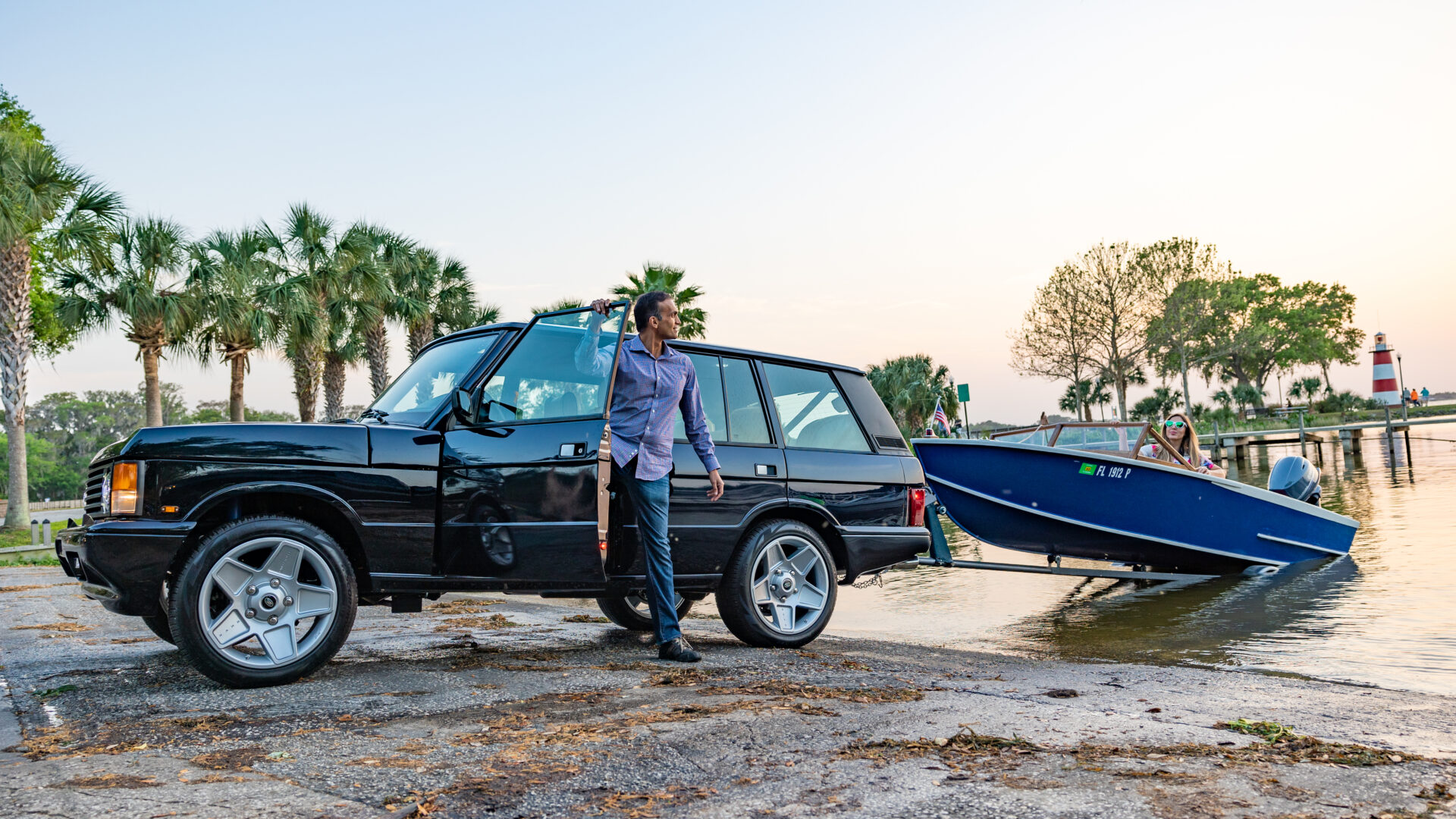
One of the biggest mistakes buyers make is assuming every restored Range Rover Classic offers the same level of craftsmanship underneath the surface. A fresh paint job and premium interior can hide major issues if the vehicle was not rebuilt correctly. Before spending serious money, buyers need to look beyond aesthetics and understand how the restoration was actually completed.
Rust should be the first concern. Even beautifully restored vehicles can hide corrosion if the builder did not fully address the chassis and body structure during the restoration process. Areas around the frame, floor pans, tailgate, door bottoms, and suspension mounting points deserve close attention. A proper restoration should involve more than simply covering imperfections with undercoating or cosmetic repairs.
Another major factor is drivetrain modernization. Many buyers entering the market want the classic styling of the original vehicle without the reliability concerns that came with older factory systems. That’s why modern powertrains have become such a major part of the high-end market. A properly executed restomod can dramatically improve reliability, drivability, and long-distance comfort while still preserving the identity of the vehicle.
However, not all upgrades are equal. Buyers should ask detailed questions about engine integration, wiring, cooling systems, transmission pairings, and suspension tuning. A high-quality build should feel refined and cohesive rather than like a collection of aftermarket parts forced together.
Interior quality also separates premium builds from overpriced restorations. The materials may look impressive in photos, but buyers should pay attention to fitment, stitching quality, switch placement, ergonomics, and overall usability. Some builds lean too heavily into modern luxury and lose the understated character that made the Range Rover Classic iconic in the first place.
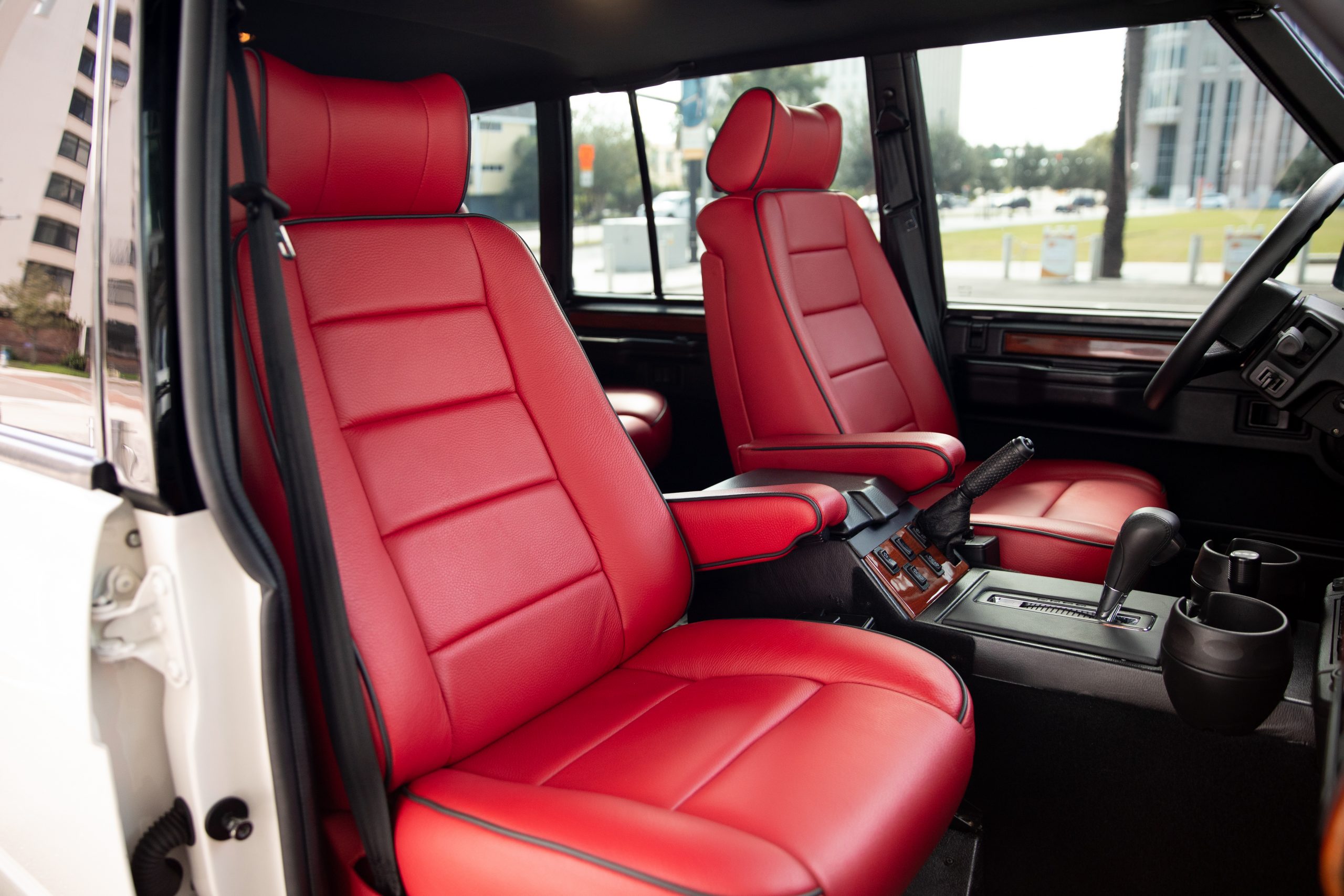
Seat configuration is another overlooked detail. Some owners prioritize visual design over practicality, only to realize later the vehicle no longer fits their actual lifestyle. Cargo space, rear seating comfort, storage solutions, and daily usability all matter more once the excitement of delivery wears off.
Buyers should also pay close attention to who performed the restoration. Reputation matters heavily in this market. Established builders with proven processes, engineering standards, and long-term support often justify their pricing more than unknown shops producing vehicles with limited documentation or inconsistent quality control.
The best purchases usually come from buyers who take their time and think long-term. A six-figure Range Rover Classic should not simply look impressive for photos or weekend attention. It should feel special every time it is driven.
As the market continues evolving, the vehicles that hold value best will likely be the ones that combine timeless design, thoughtful modernization, and high-quality craftsmanship rather than overly trendy builds focused purely on appearance.
FREQUENTLY ASKED
QUESTIONS
No FAQs configured yet.