


When a Vehicle Becomes Better Than New: The True Value of a Full Restoration
February 9, 2026
How Thoughtful Customization Shapes the Way a Restored Vehicle Is Actually Used
February 12, 2026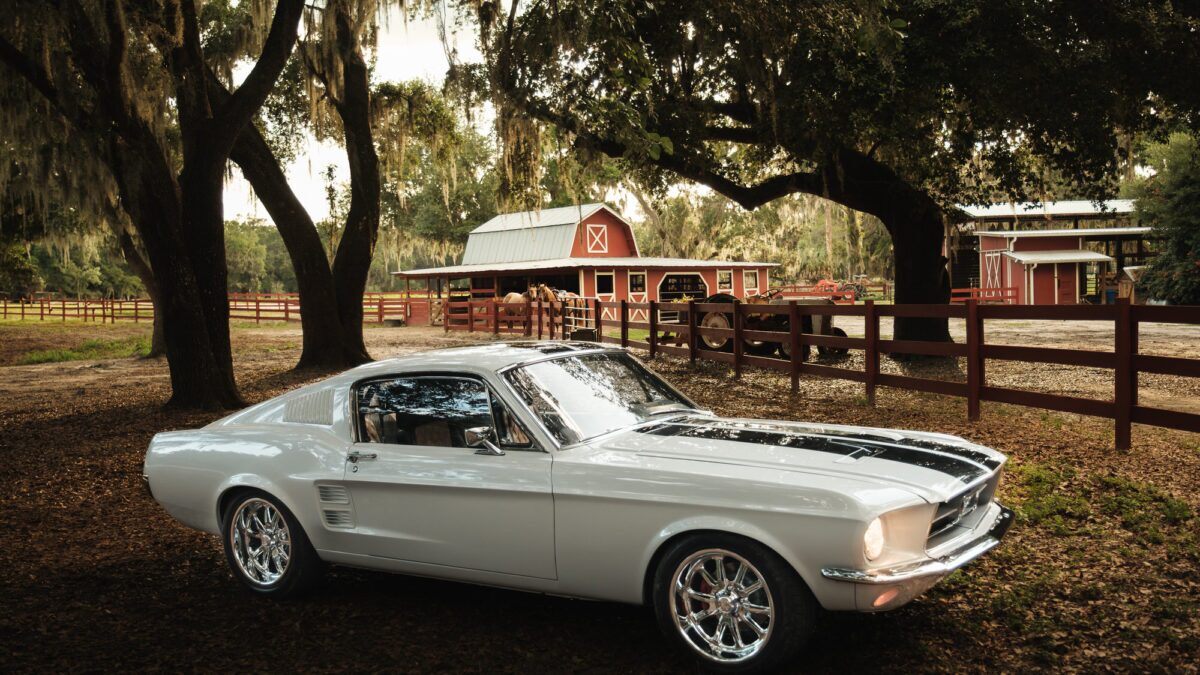
How collectors and drivers should rethink maintenance, performance, and value in the era of modernized restorations.
Classic Mustangs remain magnets for collectors and drivers. They've got unmistakable character, the gorgeous engine rumble, and provenance of being a world-renowned icon.
The ownership equation has shifted in 2026. Restoration expectations have risen thanks to custom shops that can back-engineer missing parts or refurbish originals to like-new specs. Performance choices have broadened due to a wide range of powerplants. The practical realities of maintenance, storage, and resale values have changed alongside buyer tastes.
Our guide walks affluent collectors and adventure-minded owners through what has meaningfully changed, what remains timeless, and how to set realistic expectations when commissioning or acquiring a show-quality Classic Mustang built to modern standards. The end result of your project will take your breath away.
What's Changed in 2026? The Three Big Shifts
Look at the three main precepts of the restoration process that has changed in 2026.
1. The Market Rewards Proper Restorations
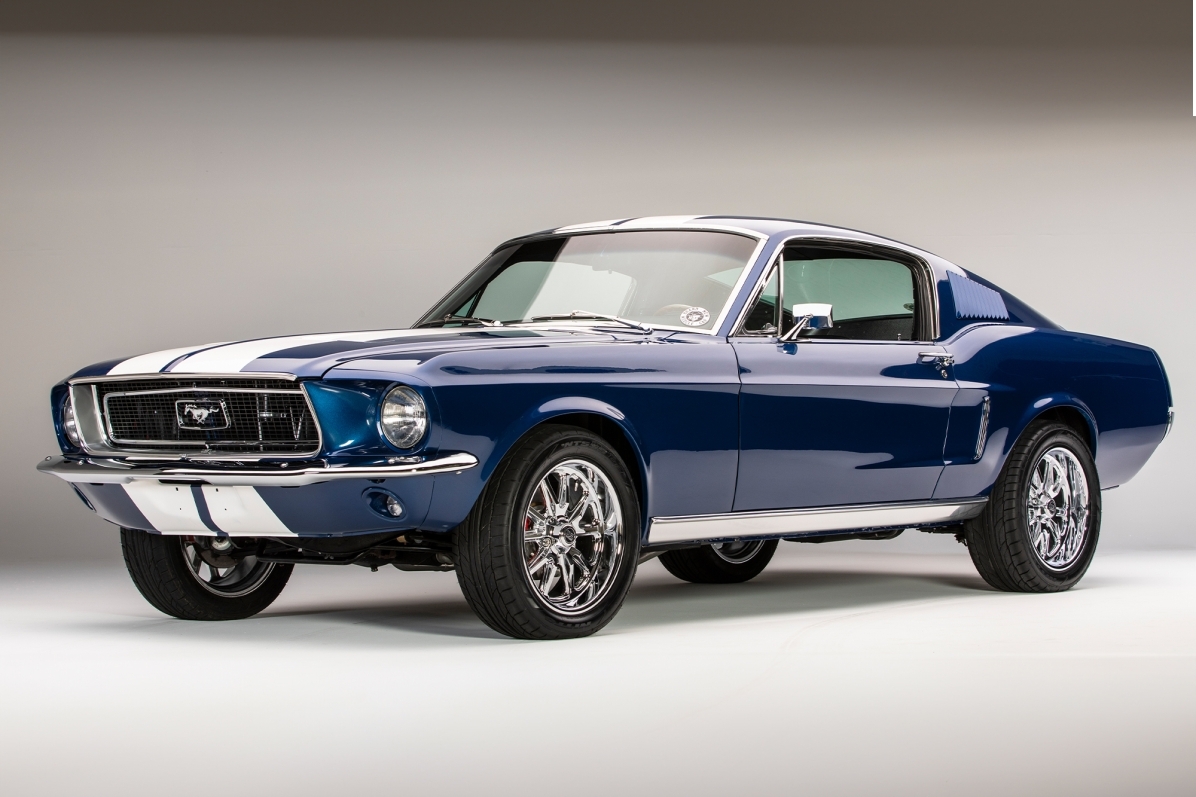
First and foremost, restoration is no longer a single-discipline craft. It's a hybrid of museum-grade bodywork and modern engineering. Just look at our Project '67 Ghost.
High-end shops that deliver one-of-one showpieces emphasize hand-built craftsmanship and multi-thousand-hour programs. The market now rewards restorations that pair original aesthetics with upgraded drivetrains, electronics, and safety systems rather than cosmetic-only jobs.
Collectors expect structural integrity and provenance as much as period-correct patina. It melds the best of both worlds. You get a beautiful car that looks the part yet feels at home on modern roads.
2. Drivetrains Deliver Power and Performance
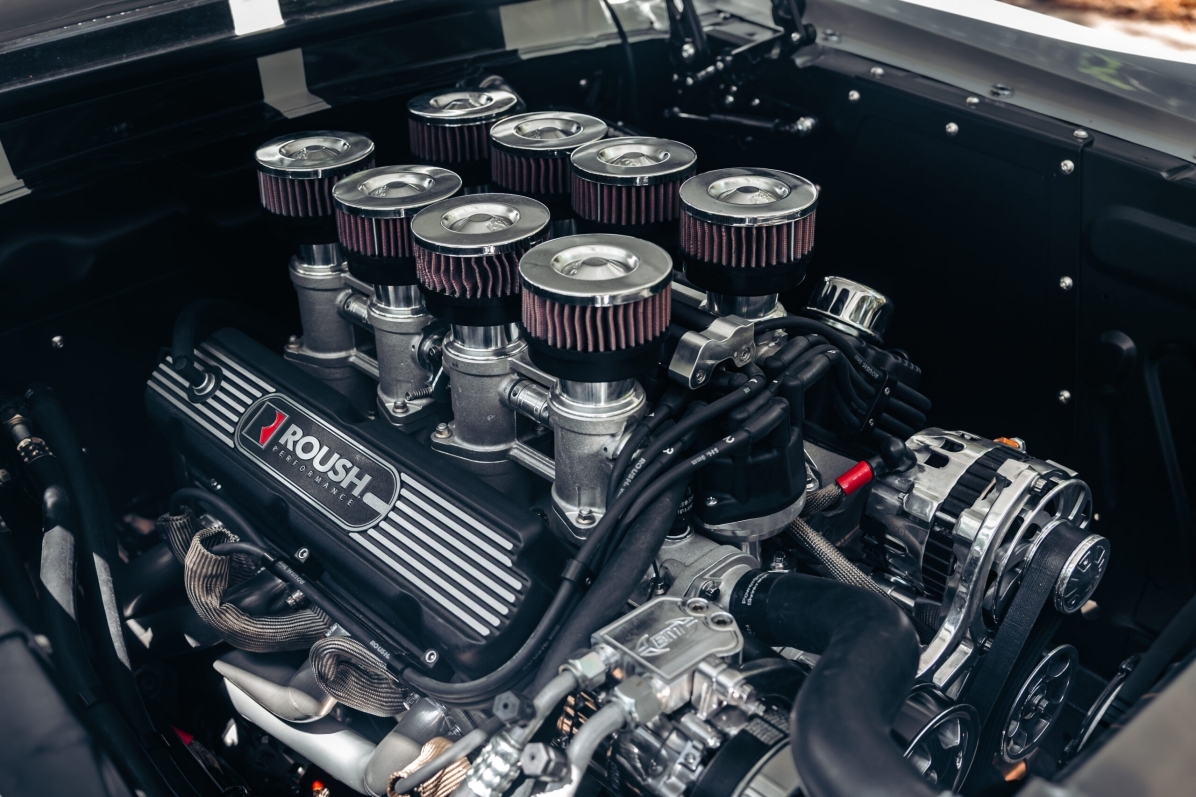
Drivetrain choices have expanded. Buyers now expect options beyond a factory-spec V8. A lot of collectors still covet high-performance V8 builds.
But electrified conversions and modern fuel-injected engines are increasingly common for owners prioritizing reliability and performance for daily drives. These options change maintenance profiles and, for some buyers, increase long-term usability without sacrificing the Mustang's visceral appeal.
3. True Restorations Take Time
The logistics around ownership of a restored classic, from lead times to insurance to aftermarket support, are more prominent in buying decisions. Commissioning a work of art with thousands of moving pieces takes time to perfect. Are the results worth it? Absolutely.
Elite restoration houses operate like luxury ateliers. Builds are measured in thousands of labor hours with handcrafted touches. Sourcing specialized parts can take months, whether we track down an original part or reverse engineer one with a manufacturer. Serious buyers and collectors have a standard expectation of full-service ownership packages that include long-term support and storage management.
Restoring a classic is about building a partnership with the experts around you who love the vehicle as much as you do.
What Owners Now Expect from a High-End Build and Modern Restorations
Collectors commissioning a top-tier Mustang in 2026 expect a narrative as much as workmanship. That narrative includes a documented restoration process that includes step-by-step roadmaps from start to finish. Hand-built finishes add touches of exclusivity. You also expect a clear statement of modern interventions and how they affect originality and value.
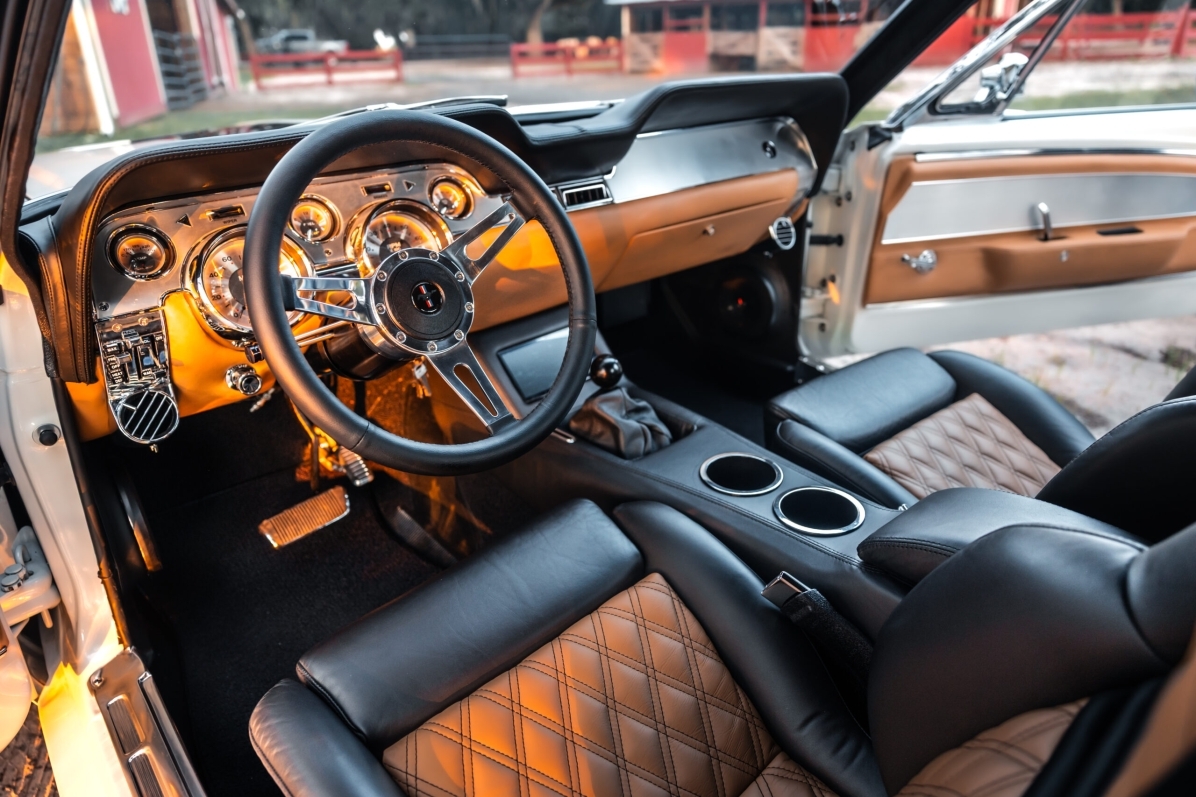
The best shops foreground craftsmanship with trained technicians, painstaking metalwork, and bespoke interiors alongside modern engineering principles. Each artisan in a shop should also have a love for their craft.
Restoration shops also disclose labor intensity. Premium builds are often multi-thousand-hour undertakings. Your project may take two years from ideation to completion, reflecting the artisanal nature of the work.
Performance upgrades are presented as choices, not defaults. Some clients ask for period-correct high-displacement V8s rebuilt to modern tolerances. Others want late-model fuel injection for drivability. Increasingly, owners ask about electric conversions that preserve sound and character through carefully tuned electric torque curves and bespoke sound design.
In every scenario and restoration philosophy, transparency about parts, warranties, and service is now a deciding factor for buyers who will accept nothing less than investment-grade execution.
Maintenance and Ownership Costs: Honesty About the Price of Perfection
Quality restoration and personalization come with predictable realities beyond finding the chassis you want. Higher acquisition costs, longer lead times, and ongoing maintenance that reflects the custom nature of the vehicle all come with the territory.
Enthusiasts should expect to budget for premium paint, bespoke interior materials, and engineering upgrades that require specialist knowledge for servicing. Custom electronics or non-factory drivetrains can reduce day-to-day headaches but may increase service specialization needs and parts lead times.
Insurance and storage also deserve new scrutiny. Many collectors now select climate-controlled storage with active humidity management and security to protect their investment. They pair that with specialized insurance that reflects the car's provenance and custom modifications. Those protections are part of a total ownership plan that safeguards the value of your build. It's particularly true for one-of-one builds intended for shows or investment portfolios.
Parts, Supply Chain, and Aftermarket Support in 2026
Parts availability for classic Mustangs has improved in some ways and become more complex in others.
Reproduction panels and period-correct trim are widely produced. But bespoke fabrication remains necessary for concours-level restorations. When a build includes modernized components, such as coilover suspensions, anti-lock braking systems, or EV conversions, owners must factor in parts sourcing and the availability of qualified service technicians. Unique parts that can't be found and restored must be fabricated from scratch. Plus, not all mechanics are skilled enough to work on an original Mustang's components.
Shops that provide end-to-end service and long-term support minimize the friction of sourcing what's needed to make your dream come true. It's a key differentiator for prospective buyers who prize hassle-free ownership.
Technology and Discreet Modern Comforts Balancing Authenticity with Usability
Expect more subtle, owner-driven tech choices in a restoration. You still want the feel of what it was like to drive a brand-new '60s Mustang down main street or on the open road. But you want modern conveniences like airbags, infotainment, and a well-working HVAC system.
Rather than obtrusive screens or overtly modern dashboards, collectors want discreet integrations. Look for hidden navigation, Bluetooth that preserves original radio aesthetics, and modern HVAC performance without intrusive hardware. Safety features we can install range from upgraded seat belts and discreet airbag integration to and upgraded lighting that maintain visual integrity.
The design goal is seamless. We preserve the car's soul while delivering drivable convenience and safety for everyday jaunts.
How Modernization Affects Value, Resale, and Investment of Your Restoration
There is no universal rule to value your restoration. Tasteful, expertly executed upgrades can enhance desirability and value. Heavy-handed or poorly documented modifications can reduce collectability. The bottom line is that a restoration is worth whatever someone is willing to invest in it.
In 2026, buyers prize documentation. A restoration is the tangible result of years of detailed planning and work. But paying a premium for an exclusive build needs a comprehensive build dossier. Buyers expect photos, invoices, parts provenance, and clear disclosure of every modification from the first nut and bolt removed from the original to the final layer of protective paint.
Documenting the build is often as important as the visual and driving result. Well-documented high-end restorations can trade strongly at auction and in private sales because they remove uncertainty for the next buyer. They'll know what went into the passion project and how well the vehicle has been maintained since completion.
Collectors who want the purest original experience may still prefer numbers-matching examples. However, a sizable group of affluent owners now values a restored-for-driving ethos. They crave original looks, modern reliability, and an ownership experience that fits contemporary life. For those clients, bespoke builds that preserve visual authenticity while modernizing mechanicals provide a superior long-term hold.
Buying Checklist for 2026 When Considering a Show-Quality Mustang
When evaluating a Classic Mustang or a restoration contract, owners should insist on key assurances.
- Demand a full build scope and timeline that clearly identifies handcrafted processes and estimated labor hours.
- Require a parts and provenance list.
- Confirm what post-delivery support and servicing options are available and for how long.
- Review insurance and storage recommendations tailored to the car's intended use.
- Evaluate the shop's track record, not only regarding completed builds but also long-term client relationships and ongoing support.
ECD Autodesign checks all of these boxes.
Practical Tips for Preserving Your Restoration's Value and Enjoyment
Owners who want the best of both worlds want investment-grade finish and modern usability. They tend to select these items:
- Period-correct exterior and interior aesthetics.
- Modernized mechanicals that are reversible or at least well-documented.
- Long-term maintenance relationship with the restoration shop.
They avoid extreme visual alteration that dates a car. Buyers favor upgrades that remain sympathetic to the original design language. Regular service with technicians familiar with the specific build, climate-controlled storage, and careful driving habits will protect both value and the long-term pleasure of ownership.
Why the Hand-Built Atelier Approach Matters
High-net-worth collectors prize craftsmanship as a signal of authenticity in 2026. Hand-built finishes, skilled sheet-metal repairs, and bespoke interior work separate a commodity restoration from a future museum piece.
Look for shops that emphasize careful, lengthy build programs. They have experienced staff and certified technicians operating in dedicated facilities. They deliver vehicles that stand out at concours, on the road, and in the marketplace. That commitment to craft is what turns a Classic Mustang into an enduring, personal statement.
Final Thoughts on Setting Expectations and Commissioning the Right Build
Classic Mustang ownership in 2026 is richer and more deliberate than ever before. The modern collector expects a vehicle that honors the original while addressing the realities of contemporary driving.
To turn a vintage model into a road-worthy drive, it means accepting longer lead times and premium pricing for hand-built, investment-grade restorations. You'll also enjoy a reliable, safe, and emotionally resonant car.
For buyers who want a one-of-one showpiece or a refined driver's classic, three items are non-negotiable. You need transparent documentation, clear communication about labor and lead times, and a shop that offers post-delivery support.
Collectors who align their expectations ahead of a custom build will discover that the rewards are both practical and deeply personal. They value craftsmanship over shortcuts, planning for ongoing care, and insisting on detailed provenance. The result is a classic that performs beautifully and holds its place in a well-curated collection.
CREATE IT. BUILD IT. LIVE IT. Let's Talk About Your Perfect Dream Build.
Custom Classic Mustangs and bespoke restorations are most successful when approached as a partnership between client and atelier. Request a consultation when you're ready to commission a one-of-one showpiece. We'll discuss vision, timeline, and the scope of craftsmanship required to deliver a museum-quality result.
FREQUENTLY ASKED
QUESTIONS
No FAQs configured yet.