


The Evolution of the E-Type: From Icon to Modern Grand Tourer
March 25, 2026
How Build Transparency Is Changing the High-End Restoration Builds
March 25, 2026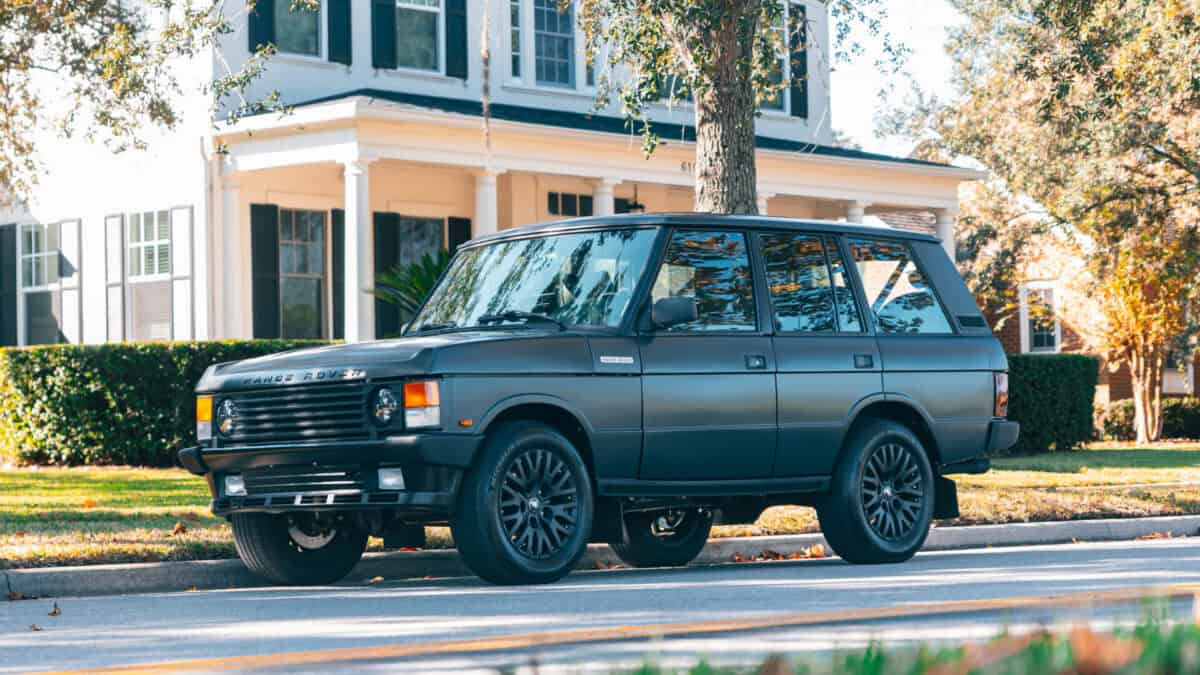
How discerning collectors and adventurous owners can tell the difference between showroom gloss and genuine, hand-built perfection.
Factory‑level fit and finish is a phrase that appears in spec sheets, press releases, and sales copy for bespoke restorations more often than not. In 2026, the words carry more weight, and more skepticism, than ever.
If you're an affluent collector or adventure enthusiast considering a one‑off or limited series build, fit and finish is not a marketing flourish. These terms showcase the visible and tactile proof that a vehicle was conceived, engineered, and assembled to your exacting standards.
Our guide showcases what this standard looks like in practice, why it matters for modernized classic Defenders and other high‑value restorations, and how to evaluate real factory‑grade quality before commissioning a build.
What People Mean by Factory‑Level, And What It Does Not Mean
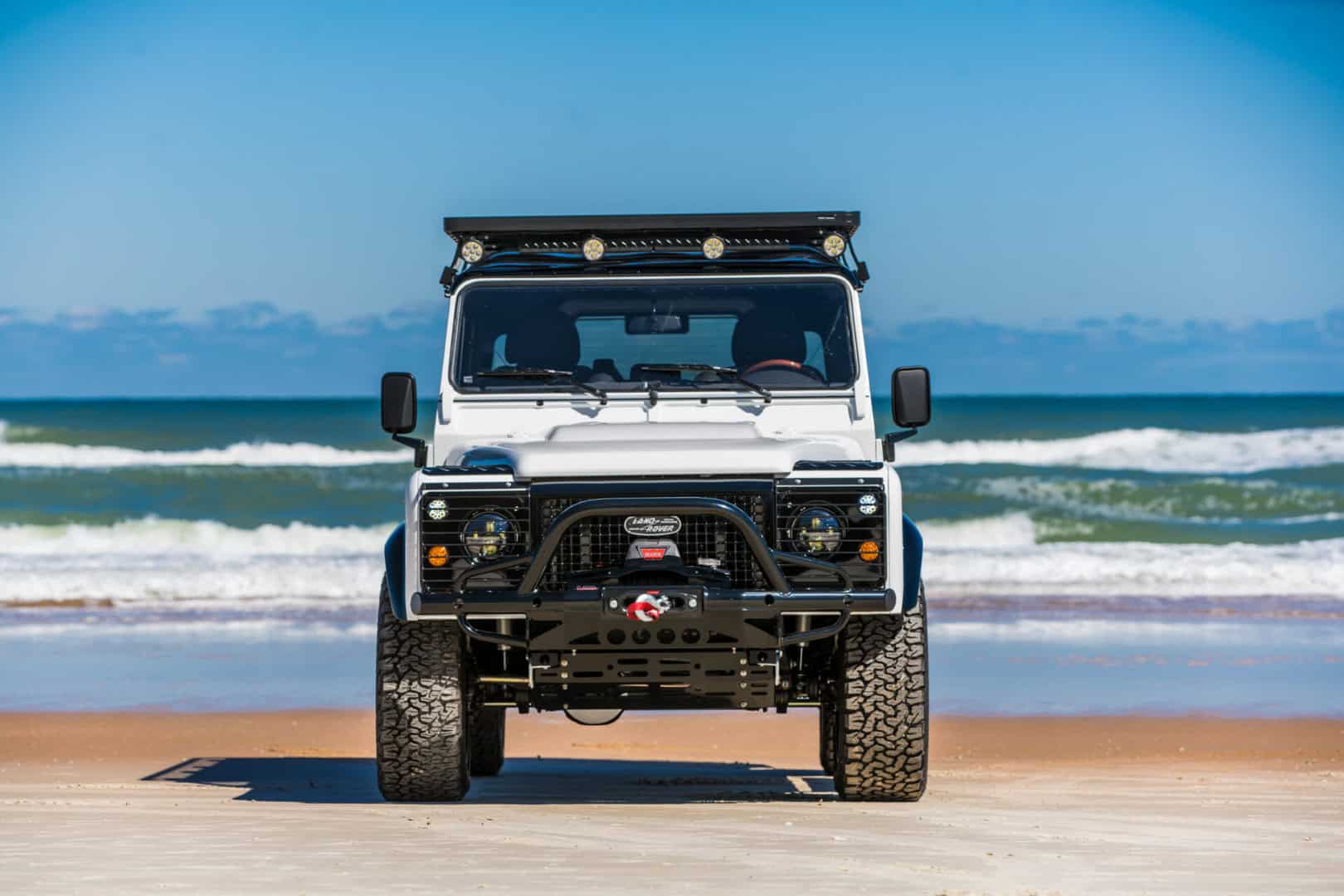
When experts say factory‑level, they mean repeatable, documented tolerances and finish quality that meet or exceed the best production cars of the era. Factory-level is apparent in panel gaps, flush mountings, consistent paint depth, and the reliability of integrated systems.
Restoration experts do not mean mass‑market production, discount pricing, or rapid, assembly‑line throughput when it comes to "factor-level."
In the bespoke restoration world, factory‑level means applying the rigorous controls and fini
Automotive Photography by Deremer Studios, LLC
sh standards of a modern OEM to a hand‑built, highly personalized vehicle. Every visible seam, every switch, and every weather seal performs and feels like it came from the most exacting factory lines, but with the soul and uniqueness of a custom build like a Defender or Range Rover Classic.
A restoration should look and feel like it just came from the factory. Except yours is a one-of-one model unique to your automotive dream.
Why Fit and Finish Matters for a Restored Defender, Range Rover Classic, or Jaguar E‑Type
For collectors, fit and finish is an investment criterion. A showpiece with true factory‑grade assembly holds value better, photographs amazingly well, and resists the small‑claims failures that erode provenance.
For adventurers, fit and finish focuses on reliability issues. Water intrusion, misaligned doors, and fragile trim mean maintenance headaches on the trail and a great ride ruined.
A luxury, handmade build that nails fit and finish gives both groups what they want. They'll get confident presence at a concours and durable performance on remote roads.
How the 2,200‑Hour Build and the Rover Dome Philosophy Translate to Quality
A genuine factory‑level result in a bespoke program is a function of time, facility, and process.
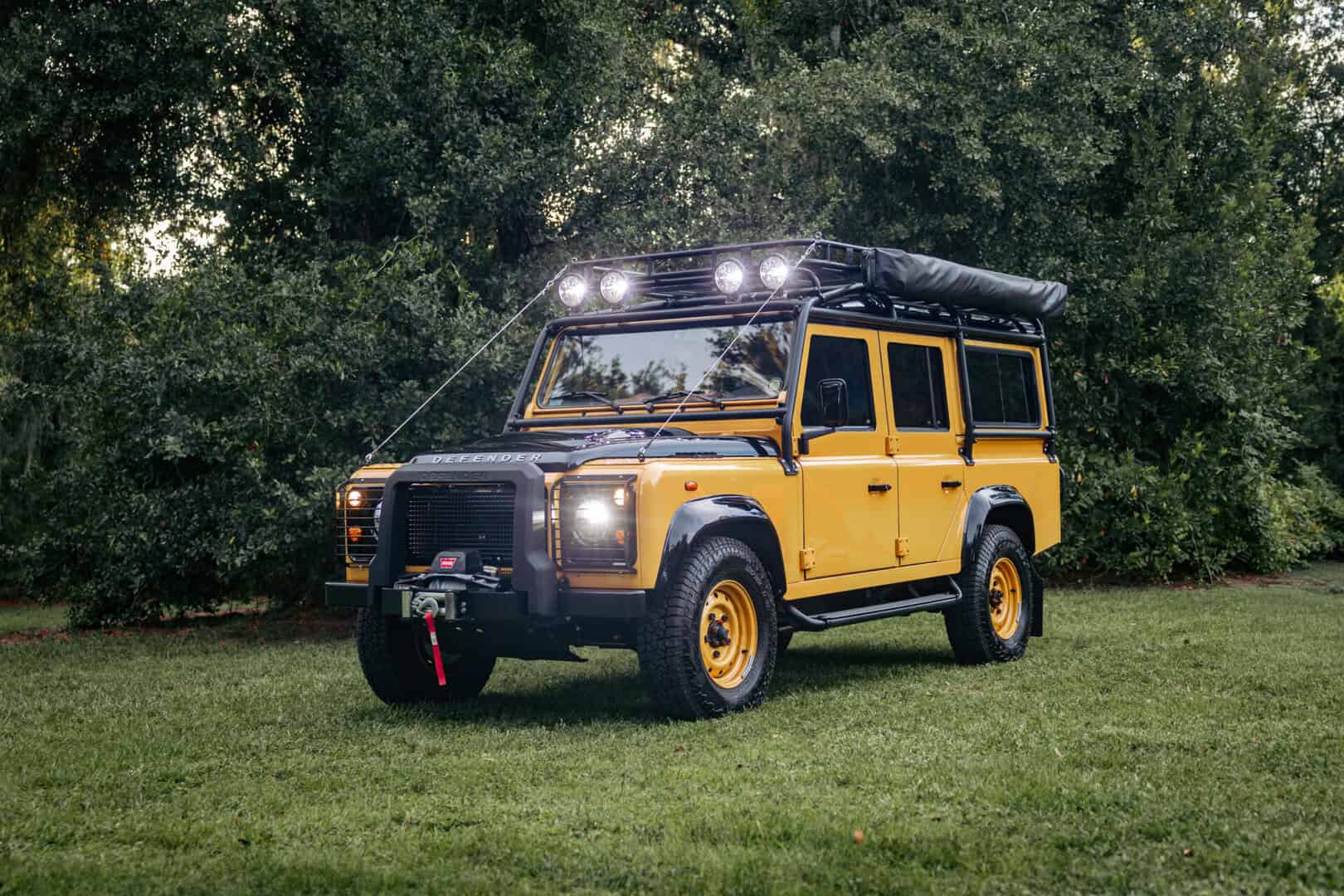
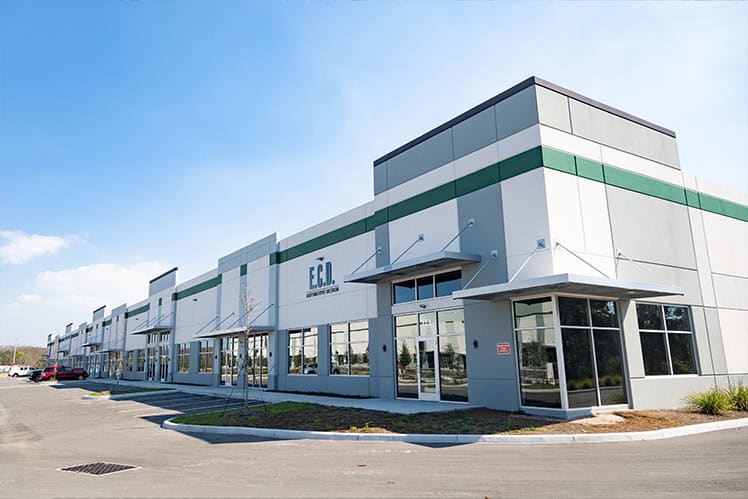
The ECD Auto Design restoration framework designates 2,200 build hours and centralizes work in a dedicated, 100,000-square-foot facility called The Rover Dome. This signals several things:
- Comprehensive disassembly and inspection of the original frame and chassis
- Meticulous metalwork and structural restoration
- Finely tuned engine specs and detailed powertrain placing for optimal results
- Multi‑stage paint and clearcoat protocols
- Lengthy systems integration and calibration
Those 2,200 hours aren't padding. They are the room to remove, correct, test, and re‑fit until measurements meet repeatable tolerances. Patience and process are as important as the skilled ASE-certified technicians working on each build.
Visible Markers of Factory‑Level Fit and Finish
Experienced buyers look for consistent, measurable signs of a quality build and not marketing claims.
True factory‑level markers include:
- Uniformly even panel gaps with repeatable tolerances across doors and hatches
- Flush, kink‑free paint transitions between panels and trim
- Precisely routed wiring harnesses secured with OEM‑grade anchors
- Weatherstrips compressed evenly without wrinkles or gaps
- Control interfaces (knobs, levers, screens) seated with no play
Interior trim should have:
- Consistent stitch density
- Even grain alignment across leather panels
- Clean, repeatable fastener placement
Outside of the vehicle, expect to see exhaust hangers, bumper mounts, and skid plates located with jigs or templates to minimize variance from vehicle to vehicle.
Hidden Technical Qualities That Denote Factory‑Level Rigor
Custom restoration shops have ways to see and engineer vehicles with proper fit and finish. Under the visible skin, factory‑grade work shows up as:
- Corrosion mitigation strategies with proper e‑coating and galvanic isolation at mixed‑metal joints
- Structural reinforcement executed to CAD tolerances
- Harnesses designed to OEM routing standards
Modern drivetrains, whether high‑output V8s or electric conversions, require bespoke mounts and thermal management. Restoration shops also address NVH (noise, vibration, and harshness) with tuned mounts and calibrated software maps rather than one‑off brackets and ad‑hoc tuning.
Integration of modern electronics with CAN bus adapters, infotainment, and ADAS retrofits, must be done so that updates and diagnostics are as straightforward as they are on a new vehicle.
These are all hallmarks of repeatable, documented process rather than an improvisation.
Performance Choices Matter, But So Does Integration
Modern performance options, from supercharged V8 conversions to fully electric drivetrains, are selling points of a custom restoration. But they only reach factory‑level status when the mechanical and electrical systems are integrated holistically.
A V8 conversion covers more than engine swaps and louder exhausts. It requires transmission choice, brake and cooling upgrades, chassis reinforcement, and calibrated engine and transmission management. All of these upgrades protect the drivetrain and meet the ride and feel expectations of a bespoke customer driving on modern roads and highways.
Similarly, EV conversions demand upgrades across the board. Look for battery thermal management, bespoke wiring looms, and weight distribution tuning to preserve handling and safety of a custom electrified Defender.
True factory‑level builds treat performance upgrades as systems engineering problems, not bolt‑on modifications.
Testing, Documentation, and Aftercare Are What Distinguish a Maker From a Craftsman
Factory‑level outcomes are repeatable due to their comprehensive documentation. Comprehensive builds include build books, measured tolerances, system calibration files, and a test regimen that covers water ingress, ride and alignment, electrical diagnostics, and road‑load simulations.
Equally important is aftercare. Bespoke buyers want their investment protected, and with good reasons. Look for restoration shops with warranty coverage, parts availability, and a service network (or concierge service) that understands the vehicle's tailored systems. Assurance comes from documented testing procedures and a clear service plan that complements the exclusivity of a custom vehicle when looking to invest in a one-of-one model.
Realistic Expectations for Cost, Lead Time, and Tradeoffs
Factory‑level fit and finish takes time and resources. Buyers should expect multi‑month timelines (12 to 14 months) and meaningful monetary investment. They should prepare to have transparent discussions about tradeoffs between authenticity, modernity, and performance. Restoring a classic to its original specs may take more effort and time compared to a modernization upgrade that uses the chassis as a blank canvas and starting point for a complete rebuild to make it look brand-new and to work on modern roads.
Premium materials, bespoke metalwork, and extensive testing add cost. Buyers who insist on rapid turnaround typically see a reduction in measurable quality. A principled build program will outline costs, change‑order impacts, and a realistic delivery window. This transparency is itself part of factory‑grade professionalism.
How to Verify a Shop's Factory‑Level Claims
Due diligence separates rhetoric from reality. Prospective clients should ask for detailed build documentation, shop photos that show dedicated facilities and jigs, and references who can speak to long‑term ownership.
Visit the facility when possible. ECD Auto Design has a livestream of its work so you can see what's going on with any build currently in progress. Look for organized workstations, calibrated measuring tools, templates for repeatable assembly, and evidence of long‑form test procedures.
Request to see previous builds at similar specification. Consistency across examples is the best proof. See several pages of notable custom builds the company has completed over the years. ECD Auto Design has finished over 600 projects to date, shipping them globally to satisfied customers.
Finally, confirm support and parts policies. a true factory‑standard program plans for serviceability from day one.
Why Fit and Finish Matters for Both the Collector and the Adventurer
For the collector, factory‑level fit and finish protects value and delivers the photographic and tactile perfection expected at events and in private collections. Seeing a beautiful vehicle in its grandeur should inspire awe and admiration.
For the adventurer, the same standards reduce downtime and increase confidence in remote areas. Doors seal, electronics behave predictably, and structure resists the stresses of real off‑road work.
In both cases, the buyer pays for certainty. They get an investment in process, documentation, and multi‑disciplinary expertise that standard restorers cannot, or will not, deliver at scale.
Talk to the Team at ECD Auto Design
In 2026, factory‑level fit and finish should mean more than a tagline. It indicates the disciplined application of factory‑grade tolerances, documented processes, and systems engineering brought to every hand‑built component.
When our shop pairs the craft of experienced technicians with modern engineering, extensive build hours, and a purpose‑built facility, the result is a bespoke vehicle that feels, and performs, like a modern factory product while remaining a one‑of‑one statement.
Reach out to us to discuss commissioning a showpiece or an adventure‑ready classic with our professional team. We'll show you our demonstrable process, testing, and aftercare warranties and maintenance regimen. These denote the surest path to a build that delivers both beauty and long‑term confidence. Whether you want a custom Defender, Range Rover Classic, Jaguar E-Type, or other bespoke project, you'll know exactly what fit and finish looks and feels like.
CREATE IT. BUILD IT. LIVE IT. Let's Talk About Your Perfect Dream Build.
FREQUENTLY ASKED
QUESTIONS
No FAQs configured yet.