


What “Factory-Level Fit and Finish” Really Means in 2026
March 25, 2026
Here's how transparent build processes, traceable parts, and open timelines are changing what collectors expect from bespoke restorations.
There was once a time when the world of high-end automotive rebuilds was defined by a single word: secrecy. Bespoke restoration builds were simply deemed as closed-door workshop projects. Even collectors with the deepest of pockets had to endure unnecessarily long wait times to receive updates on the status of their restoration projects. Luckily, for these affluent collectors and for the adventure-minded gearheads that ECD attracts, a new era in the world of bespoke restoration garages has emerged.
ECD has helped usher in this new era of bespoke restorations by delivering build transparency through a visible process, traceable parts, and open timelines. At ECD, transparency is a staple and a core differentiator. As the ECD team can attest, owners of today want to be hands-on in these bespoke restoration builds. And, yes, this means from the first teardown to the final drive. Whether it's a classic Land Rover Defender restomod or a Jaguar E-Type elevated to the next level, this transparency gives collectors greater confidence in the craftsmanship behind the build. Plus, it helps those adventure-minded drivers gain insight into how modern performance features can actually be integrated in a classic shell.

As a result, this increased build transparency is changing the high-end restoration game for the better. Want to learn more about how transparency is changing bespoke restorations? Let's take a closer look.
1. Public Build Timelines Replace Mystery Waits
Long lead times are a known reality for high-end restorations. These vehicles are hand-built projects that often require thousands of hours of skilled labor. While this hasn't changed, what has is how leading builders are communicating that timeline. You see, instead of leaving clients guessing, many garages now outline clear phases of the build process, from design sign-off and chassis work to drivetrain integration, interior installation, testing, and final delivery.
Let's use ECD's 2,200-hour Defender program for an example. The expected turnaround time is about 12 to 18 months. Throughout this journey, clients receive a clear timeline of their vehicle's milestones. This clarity reduces buyer anxiety and makes it easier for collectors to plan logistics like transport, insurance, and events around the build. It also fosters better collaboration, as clients know exactly when material choices or engineering approvals are due. This type of increased transparency around the build timelines ensures that none of the bespoke details clients care about get lost in the shuffle. Plus, ECD clients can even check out the daily livestream to see what's happening over at the Rover Dome.
Thinking about creating your own one-of-one bespoke restomod with ECD? If so, reach out to request a sample build timeline to compare shop processes and time-to-delivery before signing any type of build agreement.
2. Real-time Documentation Creates Provenance and Investment Value
Provenance has always played a major role in the market for one-of-one restorations. However, what's changed in recent years is how this provenance is documented. Today, many leading builders record the restoration process in detail, from high-resolution teardown photography to video logs that capture chassis work, drivetrain installation, and other milestones. At ECD, clients can get an inside look at the origin story of many of these one-of-one builds through the ECD Auto Design YouTube Channel.
The result of these changes is that clients now receive a curated archive that follows the vehicles throughout the entire restoration project. That once-simple before-and-after reveal is now a thing of the past. And for collectors commissioning a Custom Land Rover Defender 90 or a restored Range Rover Classic, that archive functions like a modern vehicle passport, making the car traceable for future appraisals and show judging.
3. Engineering Transparency: Test Logs, Calibration Data, and Performance Proof
When a classic vehicle is reimagined with modern performance, the engineering behind it should be just as transparent as the craftsmanship. Leading restoration shops now share detailed validation data with clients, including dyno sheets, EV battery health metrics, emissions testing where applicable, chassis alignment reports, and off-road testing logs.
These technical records show that performance upgrades were not simply added to the vehicle but properly engineered, integrated, and tuned to work with the platform. The documentation confirms that the build was tested and calibrated with the same rigor expected from contemporary performance vehicles. For discerning collectors, that level of verification carries real weight. A post-build dyno chart or documented battery health report can be nearly as persuasive as a live demonstration. It signals that the vehicle was engineered, validated, and documented to modern standards, which helps support long-term ownership confidence and warranty coverage.
Thinking of commissioning a build from ECD? If so, be sure to check out the ECD Vehicle Showcase and the build process to better understand the depth of documentation offered.
4. Financial Transparency: Clear Pricing, Scoped Change Orders, and Cost Visibility
High-end restorations are major investments, and it only makes sense that clients expect clarity around what they are paying for. Transparent builders address that expectation by outlining pricing structures in advance. Tiered build packages clearly define what is included, what falls outside the base scope, and how additional upgrades may affect the final cost.
Many builders now go a step further by tracking project costs throughout the restoration process. Updates tied to parts orders, fabrication phases, or new labor milestones help keep the financial picture clear as the build progresses. This approach doesn’t necessarily make restorations cheaper, but it does make them more predictable.
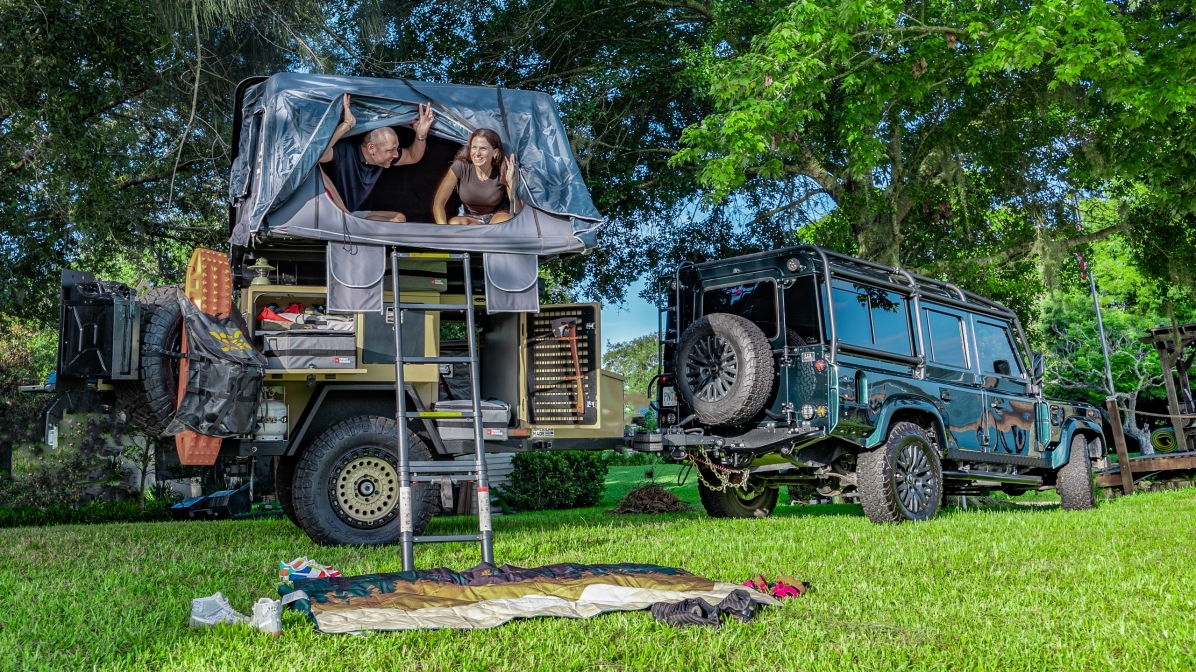
For clients commissioning a highly customized Land Rover Defender or a reimagined Jaguar E-Type, that predictability is part of the luxury experience. Clear pricing and transparent change management help ensure the client remains an informed partner throughout the build rather than feeling locked into an open-ended project.
5. Workshop Visibility: The Rover Dome Model of Craft and Scale
Transparency at ECD extends beyond build documentation and into the workshop itself. Inside the company’s 100,000-square-foot facility, the Rover Dome gives clients a rare opportunity to see the restoration process unfold in real time. Through scheduled visits, guided shop tours, and virtual walk-throughs, clients can step inside the environment where more than 100 ASE-certified craftsmen carry out the multi-thousand-hour process of transforming classic Land Rover Defenders into bespoke builds.
The Rover Dome was designed to make that craftsmanship visible. Clients can watch upholsterers fitting custom interiors, observe coachbuilders shaping body panels, or see technicians integrating modern powertrains and electronics into classic platforms. Instead of a closed workshop experience, the Dome allows owners to witness the stages that bring their build together.
The ECD Difference: Why Transparency Matters
For collectors and adventure-minded drivers, a bespoke restoration represents more than a finished vehicle. It represents the story behind the build, the craftsmanship that shaped it, and the confidence that the vehicle will hold its value over time. That is why transparency has become such an important part of the modern restoration experience.
At ECD, transparency is built into every stage of the process. From clearly defined build timelines and documented parts sourcing to rigorous testing and open communication with clients, the goal is simple: remove the uncertainty that once defined high-end restorations. Owners are not left wondering where their vehicle stands in the process or how key engineering decisions were made. They can see the work as it unfolds.
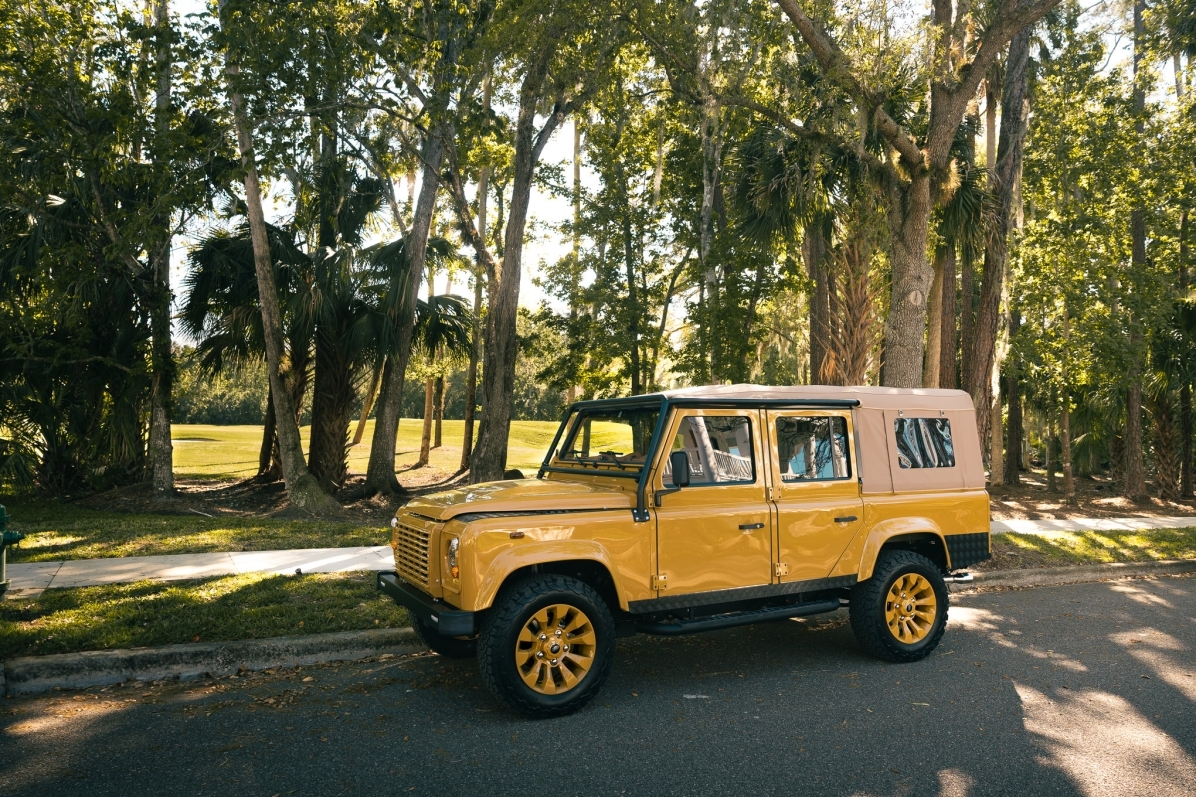
That level of openness is what separates ECD from many traditional restoration shops that still operate behind closed workshop doors. Instead of delivering only a finished reveal, ECD invites clients into the process. They can follow the progress of their build, understand the engineering behind each decision, and see the craftsmanship that transforms a classic platform into a modernized machine.
Connect With the ECD Team Today
At ECD, transparency isn’t just another marketing buzzword. It’s built into every stage of the process, from the first design consultation to the final handover. ECD clients can follow their build in real time, gaining insight into how engineering decisions are made and the craftsmanship required to transform a classic shell into a modern machine.
Interested in adding a reimagined Range Rover Classic, a Jaguar E-Type revival, or even a modernized Toyota FJ40 to your garage? If so, connect with the ECD team to learn more! Be sure to check out our complete restomod offerings, from iconic Defender trucks to timeless Jaguar E-Types!
FREQUENTLY ASKED
QUESTIONS
No FAQs configured yet.