

Why Some Drivers Will Never Go Back to Modern SUVs After Owning a Classic
April 17, 2026
1967 Mustang
April 18, 2026
From there, those preferences are translated into engineering decisions. Paint choice becomes part of the vehicle’s identity. Powertrain selection determines how the vehicle performs and behaves. Interior materials shape the driving experience. Each decision is tied to a clear outcome.
At ECD, that alignment between intention and execution is built into the process. Every restomod is developed around the client’s goals, then engineered to deliver on them. The result is not just a modernized classic. It is a vehicle that reflects both the technical requirements and the purpose behind the build. Read on to discover more about the emotional side of restomod builds that rarely gets talked about.
Why Emotion Drives a Commission
Most restomod projects don’t begin with a spec sheet. They start with a reference point. That might be a photo, a past ownership experience, or a clear idea of how the vehicle should fit into the client’s life.
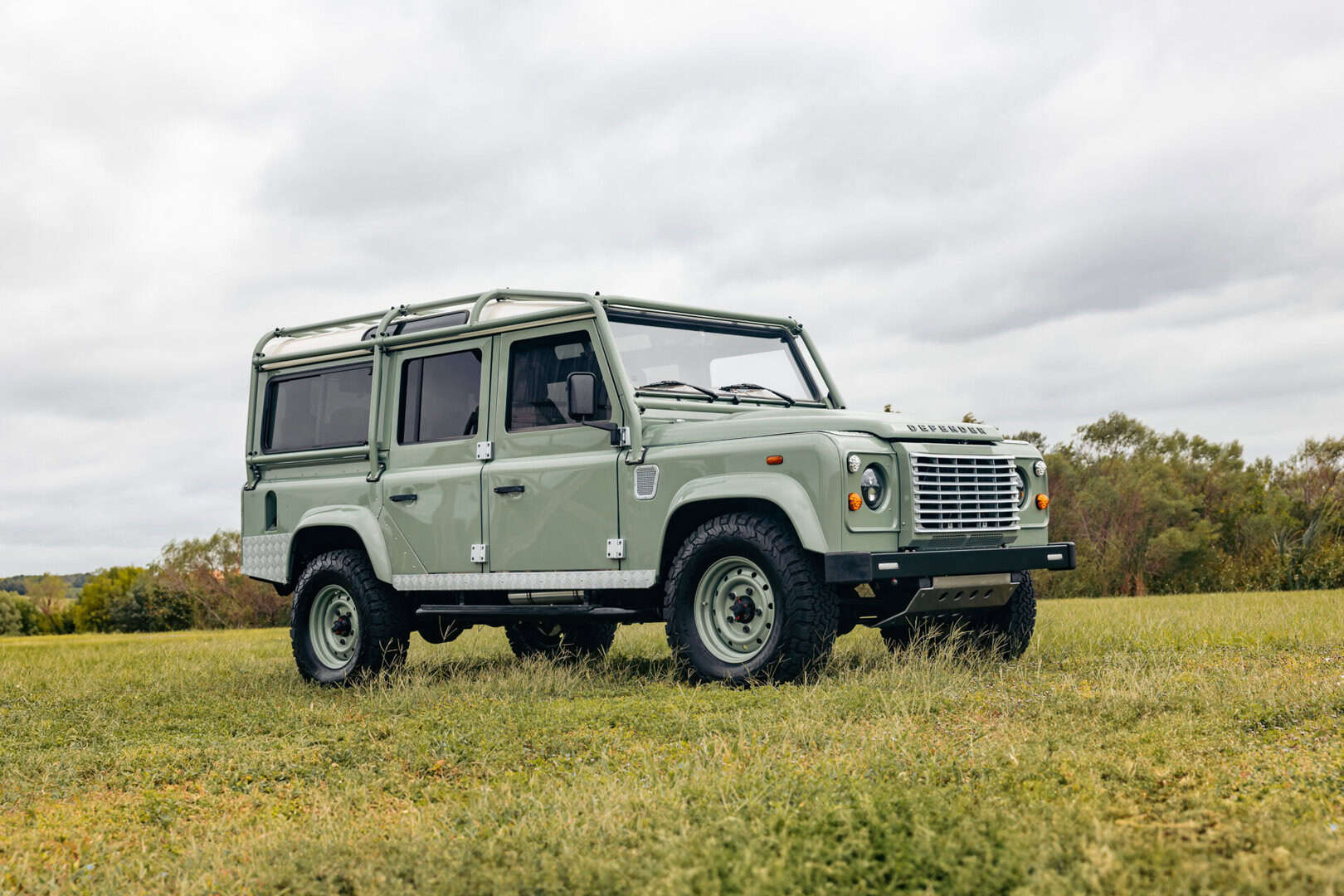
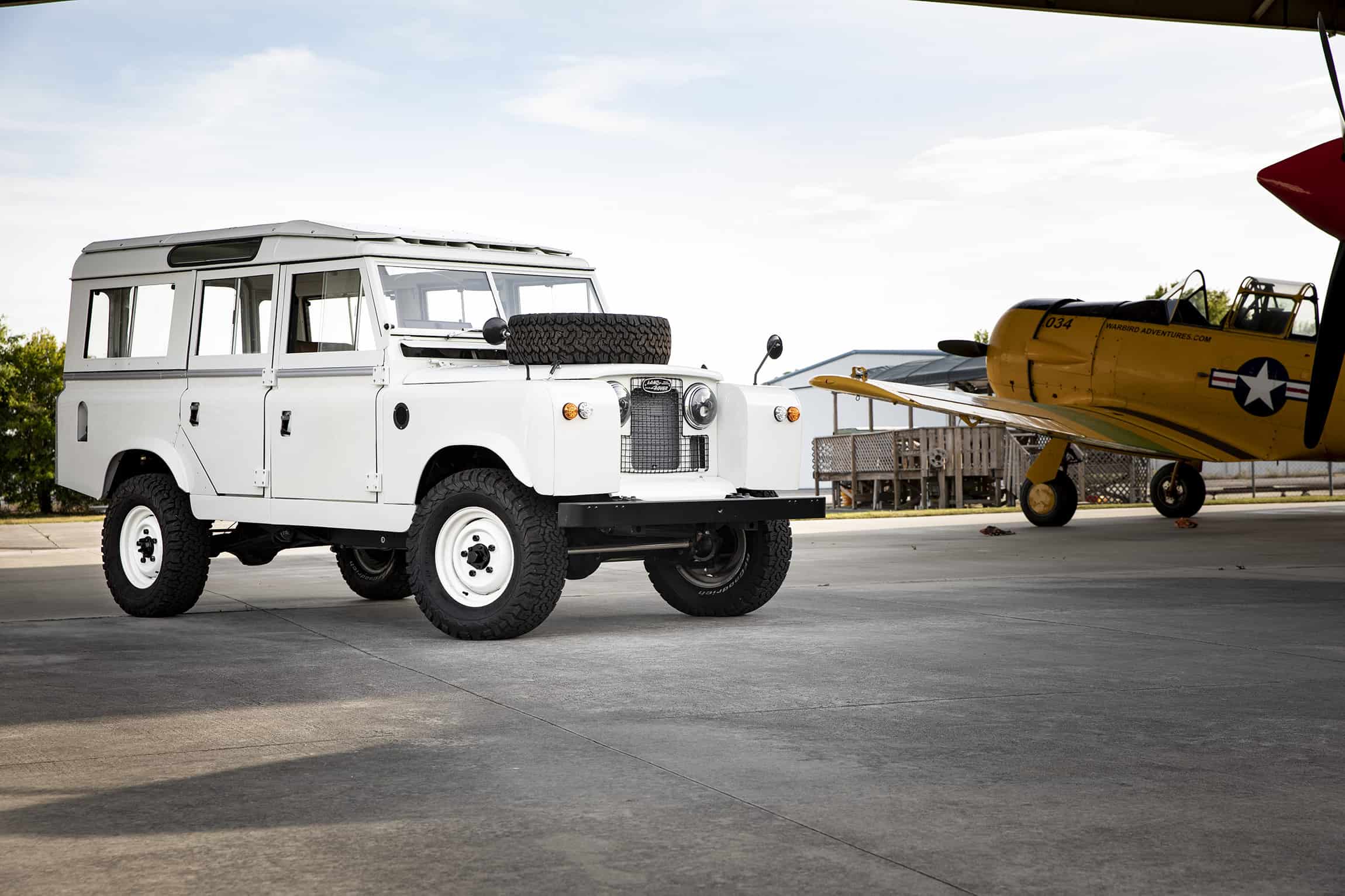
For collectors, a vehicle often represents more than its market value. It reflects personal taste, history, and how they want to present the build. For adventure-focused clients, platforms like a Defender or FJ40 are chosen for a different reason. They offer a driving experience and capability that modern SUVs don’t always prioritize.
Those initial references quickly translate into direction. Instead of starting with isolated upgrades, clients define how the vehicle should perform and feel in real-world use. That could mean prioritizing long-distance comfort, off-road capability, or a specific driving character tied to a past experience. From there, decisions around drivetrain, suspension, materials, and layout are made with that outcome in mind.
The Tension Between Preservation and Reinvention
Every restomod build comes down to a core decision: what stays original, and what gets updated. Some clients prioritize preservation, keeping original finishes and period-correct components intact. Others focus on modern performance, safety, and reliability to make the vehicle more usable on today’s roads.
Most builds fall somewhere in between. The challenge is finding the right balance based on how the vehicle will actually be used. That process is not always straightforward. For many clients, these decisions carry real weight. Choosing to modify a classic platform often means deciding how much of its original character to retain and where modernization makes sense.
At ECD, that is understood from the start. The goal is not to push a single approach, but to guide clients through the trade-offs. With a structured, multi-phase build process that spans thousands of hours, there is time to walk through each decision carefully. Powertrain options, suspension setup, materials, and finishes are all evaluated in context, with a clear explanation of how each choice will affect performance, usability, and long-term ownership.
Memory, Investment, and Confidence in the Build Process
Restomod projects like classic Defenders and other greats are often driven by more than performance goals. That could be restoring a vehicle tied to a family history, recreating a past ownership experience, or bringing back a platform that carries long-term meaning.
In those situations, the build process takes on additional responsibility. It is not just about disassembly and reengineering. It is about preserving what matters while updating the vehicle for future use. Careful documentation, material selection, and attention to detail all play a role in maintaining that connection. Each step is handled with the understanding that the vehicle represents more than its components.
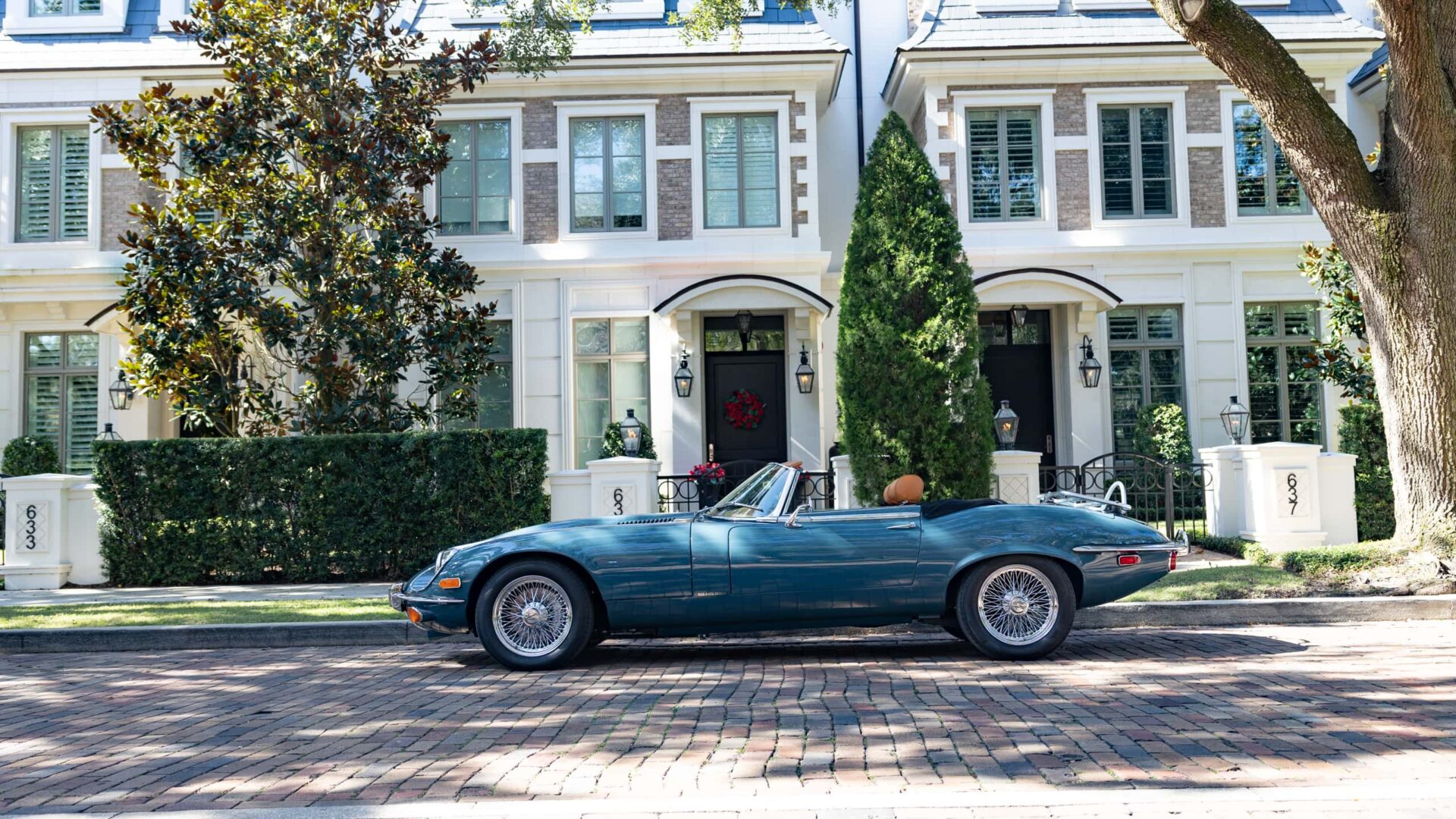
At the same time, many of these builds are significant financial investments. Commissioning a bespoke Defender or a reimagined E-Type involves both emotional and practical considerations. Clients are thinking about performance and usability, but also long-term value, build timelines, and reliability.
At ECD, the approach is designed to address both sides of that equation. A structured, transparent build process provides clear milestones, consistent updates, and full visibility into each phase of the project. Clients understand where their vehicle is in the process, how decisions are being made, and what to expect at each stage.
With a dedicated facility and a team of experienced craftsmen, each build is supported by the resources needed to deliver consistent results. That level of infrastructure helps reduce risk and ensures that both the technical and personal aspects of the project are handled with care.
The result is a process that replaces uncertainty with clarity. Clients are able to move forward with confidence, knowing their vehicle is being built to meet both their expectations and the standards required for long-term ownership.
How Process, Ownership, and Longevity Shape the Emotional Experience
A well-structured build process is what turns an initial idea into a finished vehicle that aligns with the owner’s expectations.
Phased approvals, visual updates, and direct interaction with the build team allow those early ideas to be translated into specific decisions. Clients can review materials, evaluate design options, and understand how each choice affects the final vehicle.
At ECD, transparency is built into each stage. Every change is documented and explained, so clients can see how their priorities are being carried through the process.
Once the vehicle is complete, that experience continues into ownership. A bespoke restomod is not just a standalone product. It becomes part of how the owner uses and shares the vehicle. Drive events, long-distance trips, and time spent with other enthusiasts all contribute to the overall value of the build.
That is why long-term support matters. Maintenance planning, parts availability, and ongoing service ensure the vehicle remains usable and reliable. Without that support, ownership can shift from enjoyment to responsibility.
Designing for longevity addresses both sides of that equation. Modern components improve reliability, safety, and drivability, while carefully selected materials ensure the vehicle holds up over time. At the same time, realistic timelines and clear expectations reinforce the level of craftsmanship involved in a hand-built project.
When the process, ownership experience, and long-term performance are aligned, the result is consistent. The vehicle delivers not just at handover, but throughout its lifecycle. Each mile reinforces the original decision to build it.
Connect With the ECD Team Today
At its best, a restomod is built around more than specifications. It reflects how the owner intends to use the vehicle, what they value in the driving experience, and how the build fits into their long-term plans. That includes performance, design, and usability, but also the personal direction behind the project.
At ECD, that is accounted for from the start. Each build begins with a clear understanding of the client’s goals, then moves through a structured process that translates those priorities into design and engineering decisions. Every stage is documented, every choice is explained, and the result is a vehicle that aligns with both technical requirements and intended use.
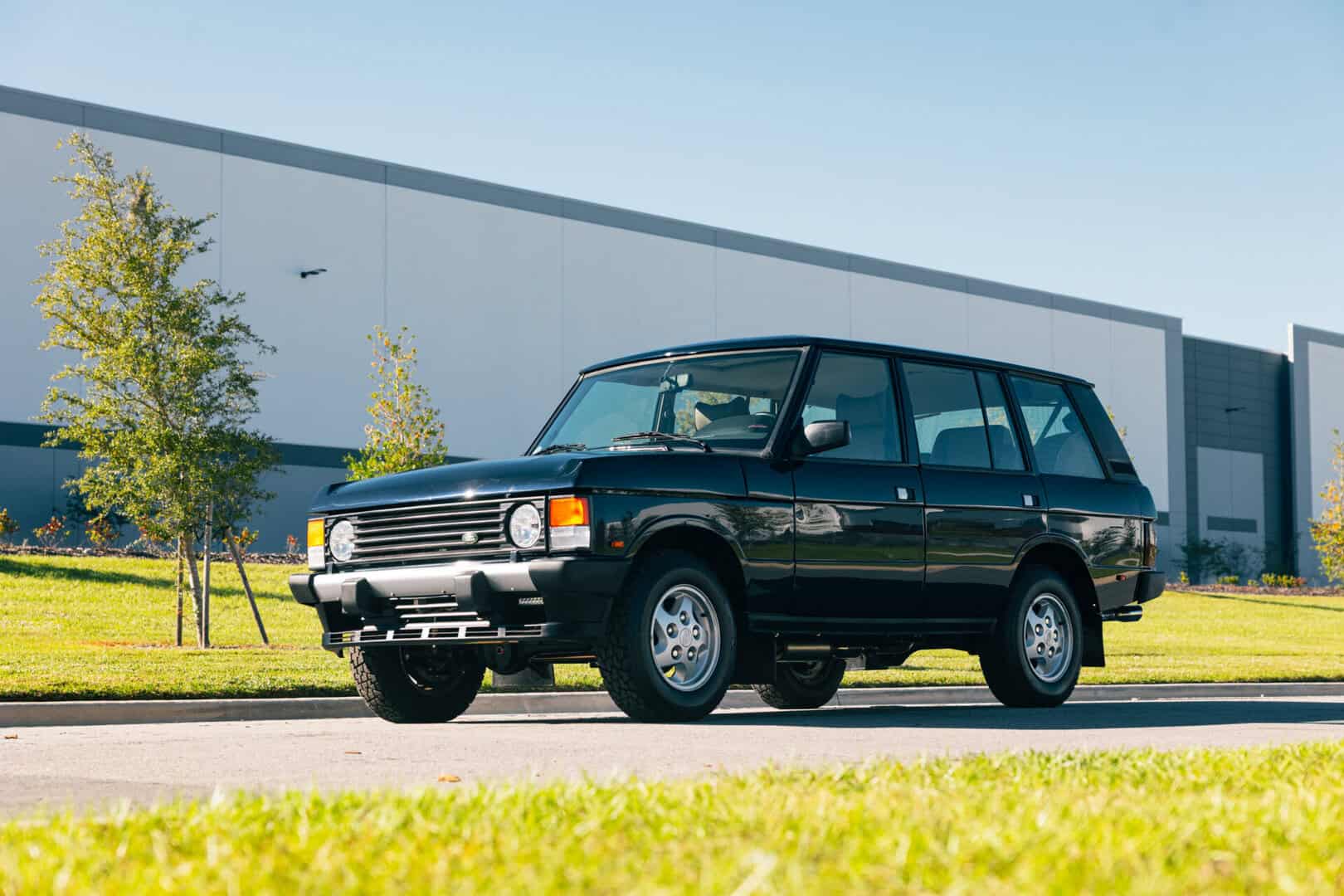
Whether the goal is a Defender 90 configured for overlanding, a Range Rover Classic updated for modern comfort, or a reimagined E-Type built with long-term usability in mind, the process is the same. Define the objective, build around it, and deliver a vehicle that performs as expected.
If you are considering a commission, the next step is straightforward. Connect with the ECD team to begin the conversation, review your options, and define the direction for your build. Be sure to check out our complete restomod offerings.
FREQUENTLY ASKED
QUESTIONS
No FAQs configured yet.