


Limited Edition Vehicle Customization Options: 2026 Guide
July 9, 2026
Ground-Up Defender Restoration: A Complete Process Guide
July 10, 2026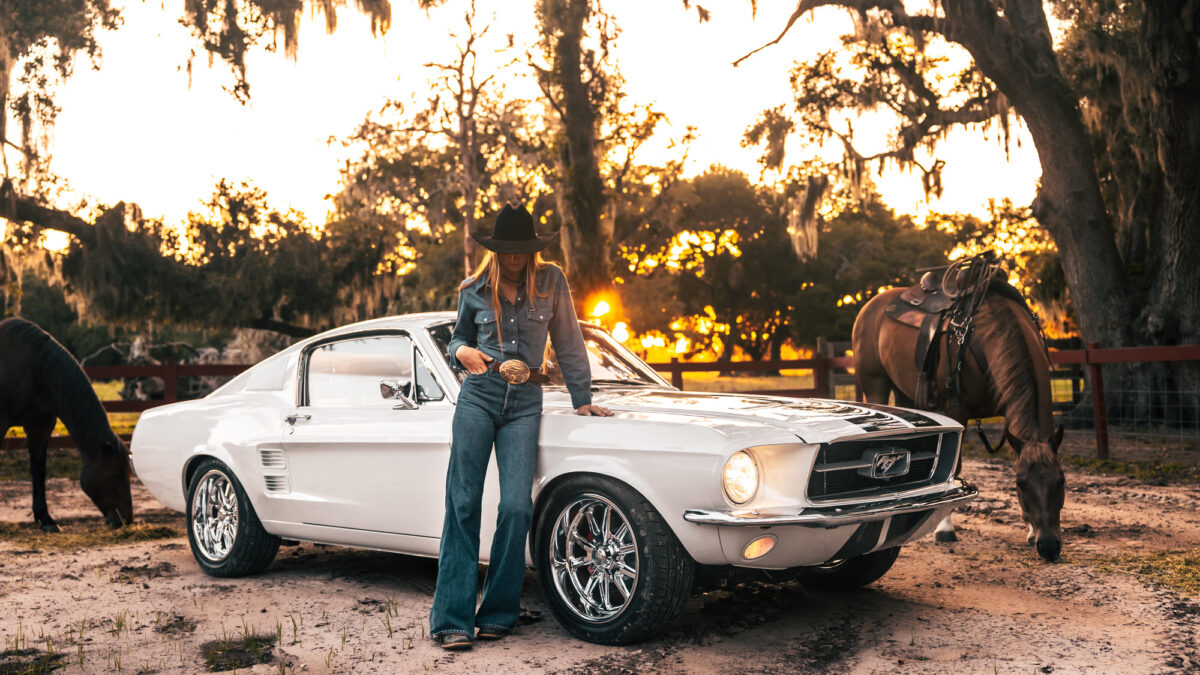
Daily driving a classic car sounds good until the car has to do normal car things.
A weekend drive is forgiving. The route is short, the weather is decent, and nobody is trying to make a meeting. Daily use is different. The car has to start cleanly, sit in traffic, cool itself in heat, stop with confidence, handle parking lots, stay comfortable, and do it again the next day.
That does not mean a classic cannot be used often. It means the build has to match the job.
A mostly original classic may be perfect for Sunday mornings and occasional dinners. A modernized classic or well-built restomod can go much further, especially when the upgrades solve the real problems older vehicles bring into modern traffic.
Daily Driving A Classic Car Is A Different Test
Most classics were built for a different driving world. Roads were slower, vehicles were lighter, comfort expectations were lower, and many safety features now considered normal were not available.
NHTSA notes that vehicle safety has changed heavily over the decades, with newer vehicles benefiting from stronger engineering, crash data research, advanced safety features, three-point seat belts, airbags, electronic stability control, backup cameras, and blind spot warning systems.
That context matters. A classic can be wonderful to drive and still feel behind in daily use. The brakes may need more distance. The steering may feel heavy at low speed. The wipers may be weak. The lights may be dim. The cabin may get hot. The wiring may be tired. Parts may not be easy to get the same day.
Some of that is charm. Some of it gets old quickly when the vehicle becomes transportation.

Hagerty makes the ownership tradeoff clear: more miles can mean more maintenance, more parking-lot exposure, and a greater chance of being stranded compared with a modern sedan, SUV, or pickup. Hagerty also says classic cars are generally less safe than modern vehicles with three-point belts, airbags, anti-lock brakes, and other safety-first features.
The point is not to scare someone away from driving a classic. The point is to build it honestly.
The Upgrades That Matter Most
The best daily-driver upgrades are not always the loudest ones.
More horsepower is fun, but horsepower does not fix hot starts, weak brakes, old wiring, poor lighting, or a cabin that feels miserable in July. A usable classic needs the basic systems handled first.
Hagerty’s own daily-driver guidance points to upgrades like front disc brakes, power steering, air conditioning, improved cooling, electronic ignition, electrical updates, better wipers, suspension work, lighting improvements, overdrive for longer trips, seat belts, a fire extinguisher, jumper cables, proper insurance, and roadside assistance.
That is a practical list because it starts where ownership usually gets annoying.
A classic built for regular use should:
- Start without a long ritual
- Stay cool in traffic
- Stop with confidence
- Steer without making every parking lot a workout
- Run lights, fans, audio, gauges, and accessories without electrical drama
- Keep the cabin comfortable enough to actually use the car
- Have tires, suspension, and brakes suited for modern roads
Cooling, Brakes, And Steering Come First
Cooling is often the first weak point to show up.
A classic can behave well on a short drive and still struggle in traffic. Add air conditioning, summer heat, low road speed, and a tight engine bay, and the system has to be right. Radiator, fans, shrouding, thermostat, hoses, wiring, airflow, and heat management all work together.
This is especially important in warm-weather markets. Florida, Texas, Arizona, Georgia, and Southern California do not give a poorly cooled build much room to hide.
Brakes are next. Modern traffic stops quickly. A classic with old braking hardware can feel exposed when a newer SUV or truck stops hard in front of it. Disc brakes, power assist, fresh lines, better components, and the right tires can change how relaxed the car feels in daily traffic.
Steering is the other everyday issue. Manual steering may feel fine once the car is moving, but daily use includes tight driveways, parking garages, downtown streets, and low-speed turns. A properly updated steering system can make the car easier to use without taking away its character.
Wiring And Comfort Decide How Often The Car Gets Driven
Old wiring can make a good-looking build feel unfinished.
A modernized classic asks more from its electrical system than the original car did. Air conditioning, electric fans, fuel injection, lighting, audio, charging ports, gauges, cameras, and accessories all need clean power and clean grounds.
A proper daily driver build may need a new harness, stronger alternator, modern fusing, relays, protected routing, and careful grounding. None of that is flashy. Owners notice it because the car simply works.
Comfort is the other deciding factor.
A classic can be mechanically strong and still sit unused if the cabin is too hot, loud, cramped, or leaky. Air conditioning, heat, sound control, seating position, insulation, visibility, weather sealing, and modern audio all affect whether the owner reaches for the classic keys on a normal day.
A daily driver does not have to feel like a new luxury car. It does have to be livable.
How Daily Driver Needs Change By Vehicle
The right upgrades depend on the classic. A vintage SUV, muscle car, and sports car do not ask for the same build plan.
Custom Defender
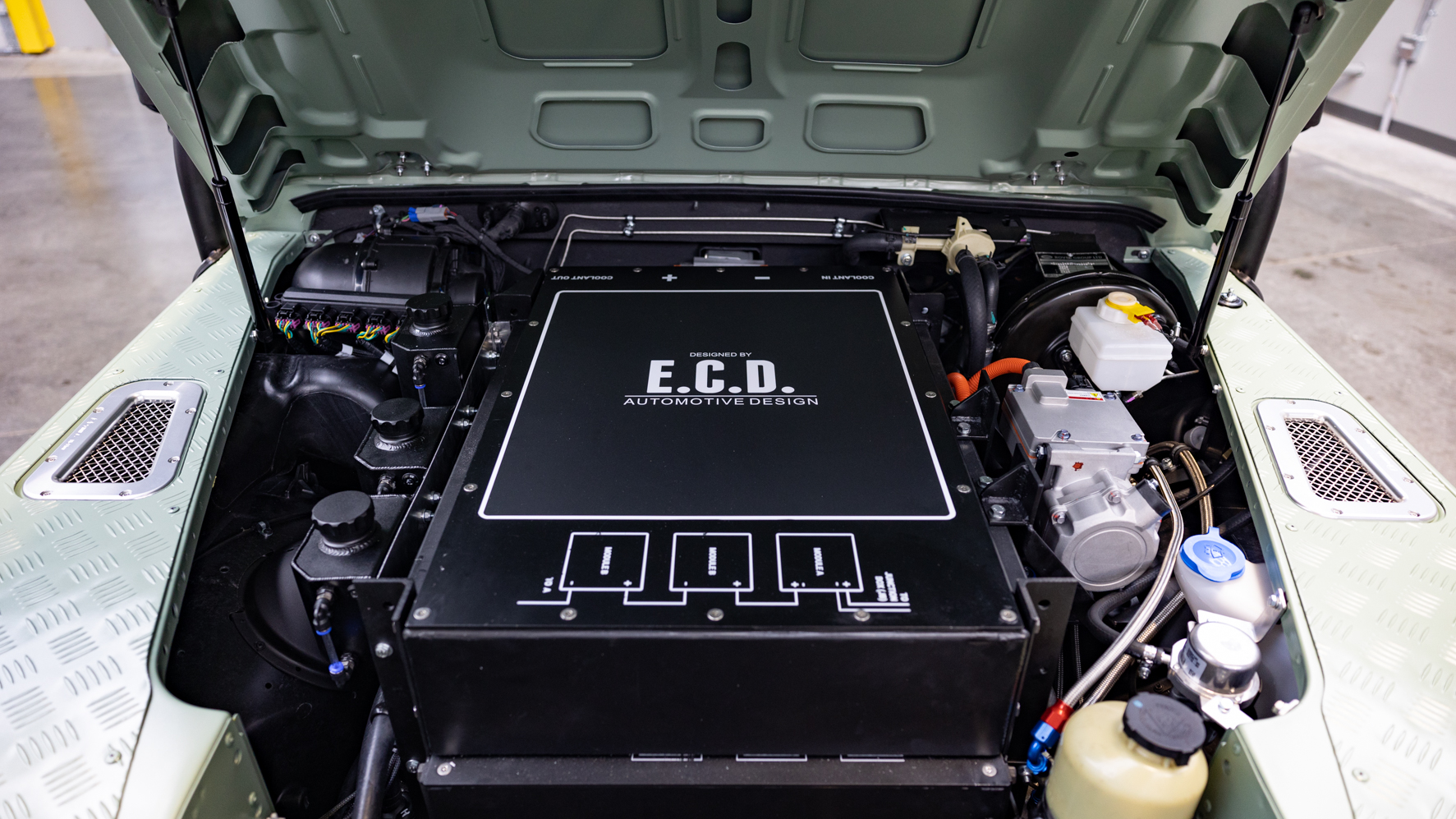
A Defender daily driver usually needs help with steering, braking, ride quality, cabin noise, HVAC, lighting, seating, and weather sealing. The goal is not to make it feel like a new luxury SUV. The goal is to keep the upright utility feel while making traffic, parking lots, and longer drives easier.
Range Rover Classic
A Range Rover Classic starts with a more refined personality than many older 4x4s, but age can expose electronics, cooling, suspension, and interior comfort issues. A good daily setup should feel quiet, composed, and reliable without losing the classic luxury SUV feel.
Classic Mustang
A Classic Mustang daily driver is usually about balance. Cooling, brakes, steering, fuel delivery, suspension, and highway comfort matter more than simply adding power. The car should still feel like a muscle car, but it needs to stop, steer, cruise, and idle with more confidence.
Jaguar E-Type
An E-Type is a more delicate daily-driver question. The upgrades should reduce stress without taking away the elegance. Cooling, heat management, wiring, ignition, braking, and cabin comfort are the areas that matter most if the car will be driven more often.
Toyota FJ
An FJ daily driver needs to keep its rugged character while becoming easier on real roads. Steering, brakes, suspension, HVAC, seating, lighting, and highway manners can turn it from a weekend trail-style classic into something more useful during the week.
The lesson is simple. Daily driving a classic car is not one-size-fits-all. The build should respect what the vehicle is.
Taking It Beyond The Commute
A classic that works around town should still be checked before a longer drive.
Road trips expose different issues than errands. The car has to stay cool for hours, run at highway speed, keep the cabin comfortable, and handle fuel stops, weather changes, luggage, and unfamiliar roads.
Before taking a classic beyond the commute, check:
- Fluids
- Brake condition
- Tire age and pressure
- Belts and hoses
- Cooling performance
- Battery health
- Lights
- Wipers
- Spare tire or tire repair plan
- Tool kit
- Roadside assistance
- Insurance documents
- Recent service records
For longer use, Hagerty specifically recommends considering overdrive because it can reduce engine wear and improve mileage on cross-country trips. It also recommends emergency road service for classic owners who plan to use their vehicles more often.
A modernized classic should make road trips easier. It should not remove preparation from the process.
Insurance And Usage Rules Still Matter
A classic may be mechanically ready for daily use, but the insurance policy may not be.
Many collector policies are written for limited use, secure storage, events, tours, and occasional pleasure driving. Some may not allow commuting. Some may require another regular-use vehicle in the household.
Hagerty’s agent guidelines list vehicles driven on a daily basis as examples that may not qualify. The same guidelines say all household members with a valid driver’s license must have a daily-use vehicle, and applicants must maintain daily-use insurance in their own names.
That does not mean every insurer has the same rules. It means owners should ask before treating a classic like normal transportation.
For a high-value restomod, the conversation should include mileage, commuting, storage, agreed value, and whether the policy matches how the vehicle will actually be used.
So, Can You Daily Drive A Classic Car?
Yes, but the car has to be built for the way it will be used.
A short-distance weekend car can live with compromises. A daily driver cannot. It needs dependable starts, stable cooling, confident braking, manageable steering, good lighting, comfortable seating, clean wiring, weather protection, and service access.
A Defender, Range Rover Classic, Mustang, E-Type, and FJ can all become more usable, but each one asks for a different kind of modernization.
That is the real difference between owning a classic and daily driving one.
The vehicle has to be more than beautiful. It has to be ready for Tuesday morning.
FAQ
Can you daily drive a classic car?
Yes, but it depends on the vehicle, condition, upgrades, climate, maintenance, safety expectations, and insurance rules. A mostly original classic may be better for occasional use, while a properly modernized classic can be much easier to drive regularly.
What upgrades make a classic car better for daily driving?
The most useful upgrades usually include cooling, brakes, steering, suspension, wiring, lighting, ignition or fuel delivery, air conditioning, seating, weather sealing, tires, and roadside support.
Is a Defender a good daily driver?
A classic Defender can become a good daily driver when the build addresses powertrain, braking, steering, suspension, HVAC, cabin noise, seating, lighting, and weather sealing. A Defender daily driver should still feel rugged, but it should not feel punishing in normal traffic.
Is a Range Rover Classic good for daily driving?
A Range Rover Classic can work well for regular use when reliability, electronics, cooling, suspension, HVAC, insulation, and interior comfort are addressed. It has a more refined starting point than many vintage 4x4s, but age and maintenance still matter.
Can you daily drive a Classic Mustang?
A Classic Mustang can be enjoyable for regular use if the build handles cooling, brakes, steering, fuel delivery, suspension, seating, lighting, and highway comfort. More power is not the first priority. Control and reliability matter more.
Can you daily drive a Jaguar E-Type?
A Jaguar E-Type can be made more usable, but expectations matter. It is still a classic sports car. Cooling, heat management, wiring, ignition, fuel delivery, braking, and cabin comfort are the key areas to address.
Can you road trip a classic car?
Yes, if the car is prepared. Before a longer drive, check fluids, tires, belts, hoses, brakes, cooling, battery, lights, wipers, tools, tire repair plan, insurance, and roadside assistance.
Does classic car insurance allow daily driving?
Not always. Many collector policies are designed for limited pleasure use, events, tours, and secure storage. Owners should confirm mileage limits, commuting rules, storage requirements, and regular-use vehicle requirements before using a classic every day.
FREQUENTLY ASKED
QUESTIONS
No FAQs configured yet.