

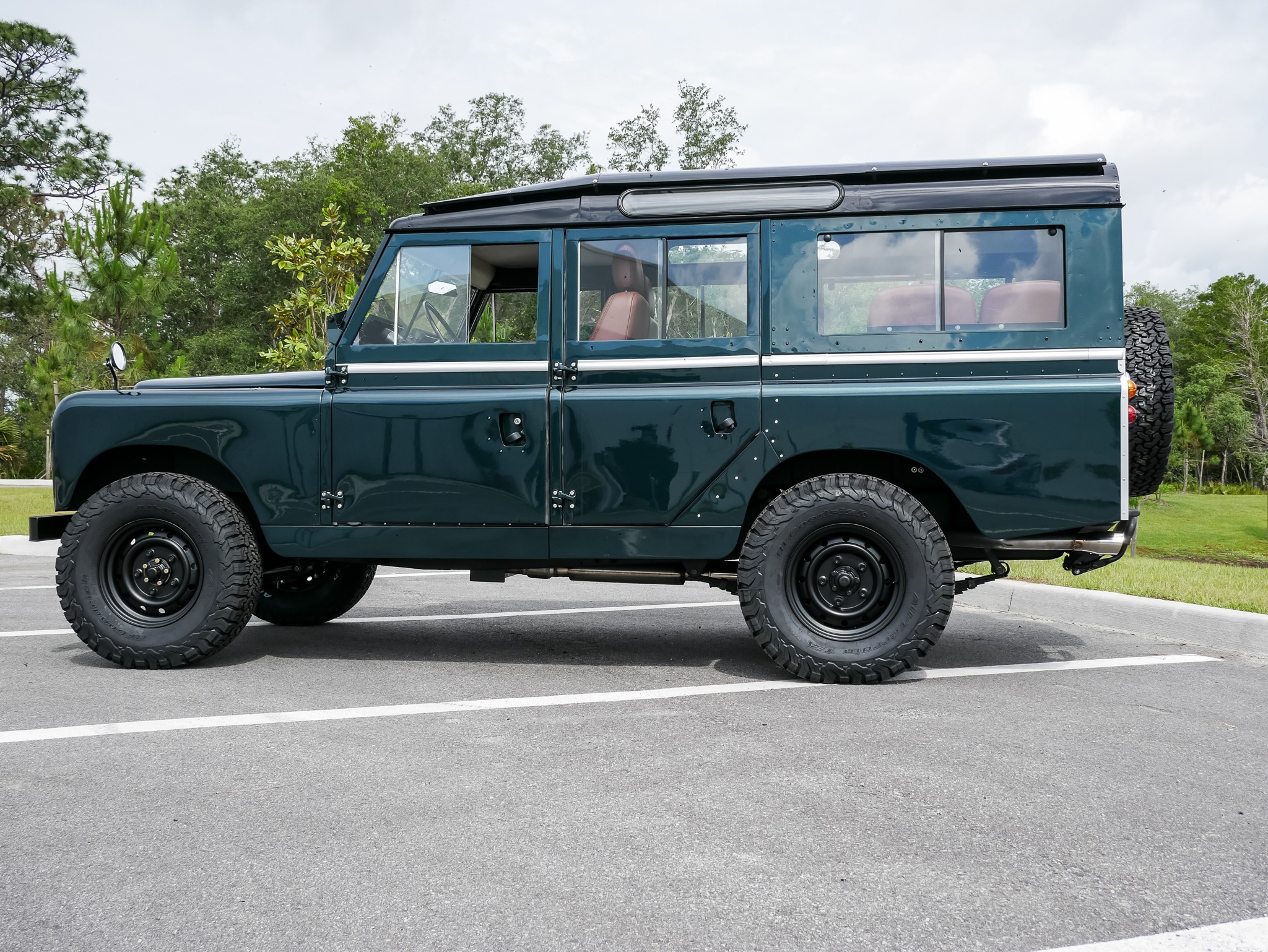
1970s Classic Land Rover Defender
June 21, 2023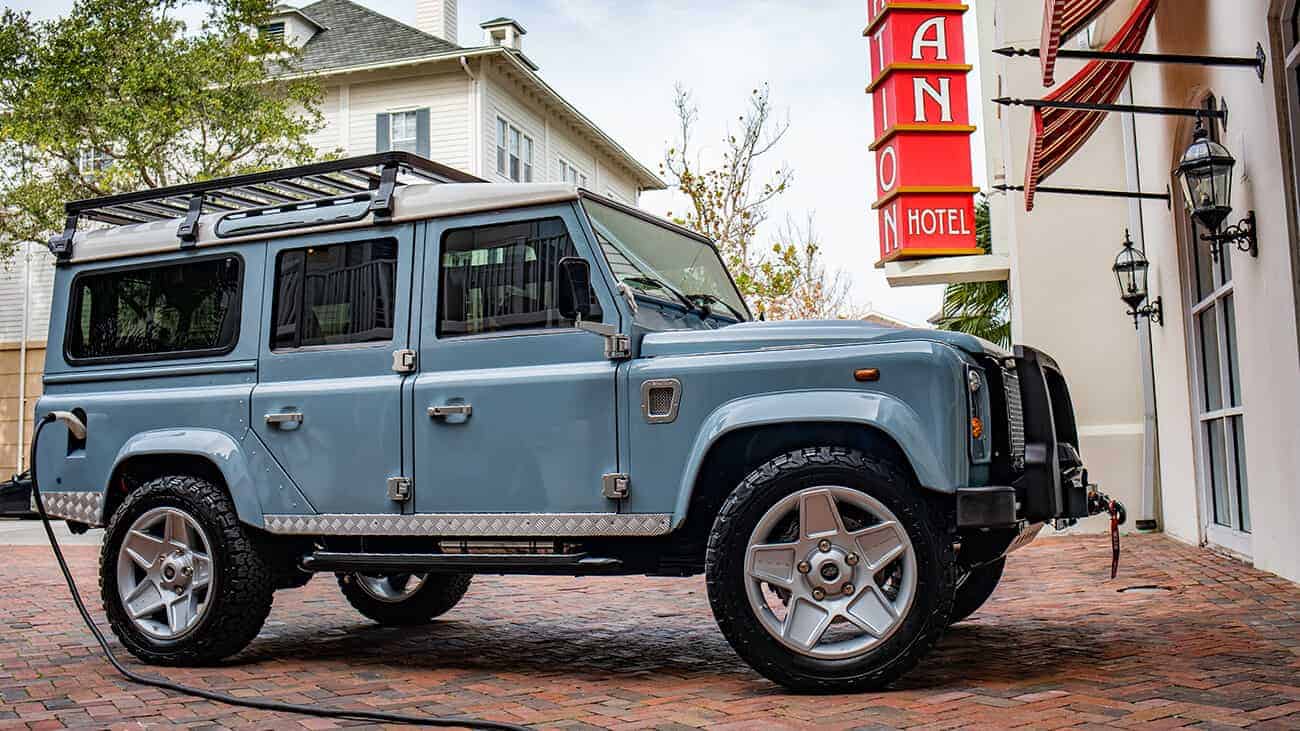
Here’s Why a Restomod Defender Provides the Best of Both Worlds
July 7, 2023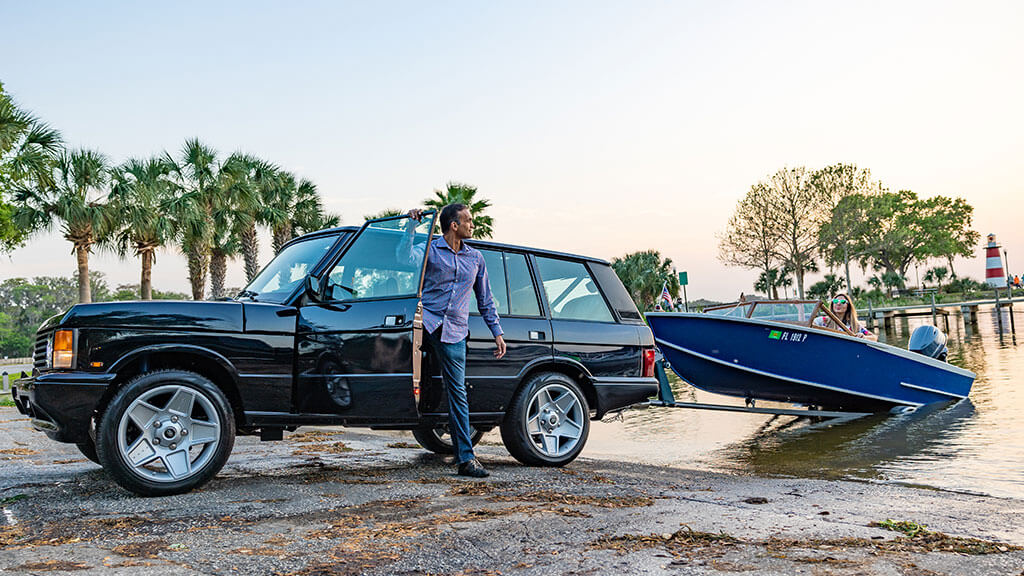
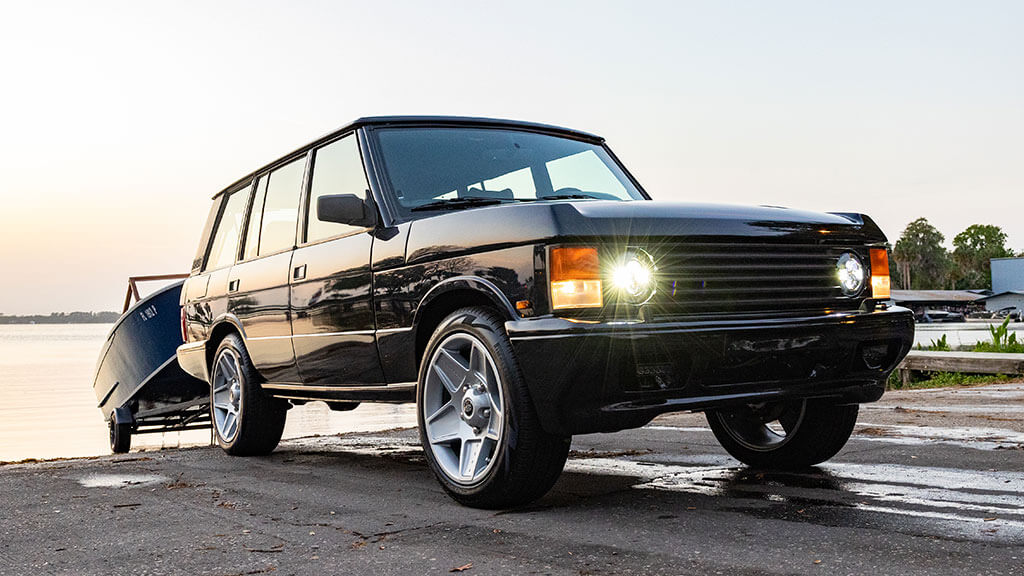
The early nineties marked an important chapter in the history of vintage luxury SUVs, and few vehicles represent that era better than the 1990 Range Rover. Known for its versatility, strong road presence, and unmistakable British design, this model remains one of the most admired classics in the Land Rover family. What made the 1990 Range Rover so influential was its ability to serve multiple lifestyles at once. It was comfortable enough for family travel, capable enough for off-road exploration, and refined enough for drivers who valued craftsmanship and prestige. More than three decades later, it continues to attract collectors and restoration enthusiasts who value a vehicle with lasting heritage and unmistakable character.
Below is an in-depth look at the origins, evolution, defining features, and custom restoration potential of the 1990 Range Rover, supported by real ECD build examples that demonstrate the possibilities available today.
Key Takeaways
-
The 1990 Range Rover remains one of the most iconic SUVs of its era, blending vintage charm with strong off-road capability and a design that continues to influence modern Land Rover models.
-
Collectors value the 1990 Range Rover for its mechanical simplicity, timeless silhouette, and restoration potential, making it a popular foundation for custom builds.
-
With the right restoration team, a 1990 Range Rover can evolve into a personalized luxury SUV.
 A Look Into the History of the Range Rover Classic
Understanding the heritage behind the 1990 Range Rover requires looking back at Land Rover’s beginnings and the decades of engineering that shaped the Range Rover Classic. This period brought significant change to the brand and laid the foundation for what would eventually become one of the most desirable luxury SUVs of its time.
The Early Foundations of Land Rover
The Rover Company began its journey in Solihull, England, in 1878. The brand gained worldwide recognition after introducing its first Land Rover model in 1948. These early vehicles were inspired by British Army Jeeps and were built to withstand rugged terrain, agricultural duties, and practical daily use. They quickly earned a reputation for strength, utility, and reliability in various environments across Europe, Africa, Australia, the Middle East, and North America.
How the Range Rover Line Was Born
By the late 1960s, Land Rover recognized a growing demand for a vehicle that blended capability with comfort. This vision led to the creation of the first Range Rover in 1970. The Range Rover Classic combined the toughness of a Land Rover with interior refinement that was rare for SUVs at the time. During the first decade of production, it was offered only as a two-door model. The introduction of the four-door version in 1981 expanded its appeal among families and long-distance travelers.
By the time the 1990 Range Rover entered the market, the model had already developed a strong reputation as a premium utility vehicle with global appeal. Continued updates, improved materials, and growing consumer demand helped shape the early nineties as an important era in the Range Rover Classic timeline.
What Sets the 1990 Range Rover Apart
The 1990 Range Rover stands out for its balance of capability, comfort, and style. This model year is especially appreciated for its straightforward engineering, its recognizable exterior design, and its adaptability in modern restoration work. To understand why it has remained so desirable, it helps to take a closer look at the unique characteristics that shaped this era.
The Arrival of Expanded Interior Options
In the early nineties, Land Rover began responding to customer requests for improved cabin space and comfort. This feedback eventually led to the introduction of the long-wheelbase (LWB) option in 1992. Although the 1990 Range Rover retained the original short-wheelbase (SWB) design, it played an important role in the transition toward these improvements.
The SWB platform measured 100 inches, while the LWB version extended to 108 inches. The additional cabin length transformed the
passenger experience by improving legroom, expanding cargo space, and enhancing overall travel comfort. This shift toward great
er interior sophistication helped shape the identity of Range Rover models throughout the nineties and continues to influence modern restorations today.
Performance and Driving Character
The performance of the 1990 Range Rover reflected Land Rover’s commitment to engineering vehicles that could excel on challenging terrain while keeping occupants comfortable. The model offered a V8 engine, a commanding seating position, and suspension geometry designed for both rugged landscapes and smooth road travel. It became known for its ability to climb, tow, and handle uneven surfaces while still providing a refined driving experience.
Collectors value the mechanical simplicity and durability of this period. The structure is strong, the visibility is excellent, and the cabin layout offers timeless practicality. These traits make the 1990 Range Rover a compelling choice for restoration projects that pair vintage character with modern upgrades.
Inspiration From ECD: Restorations That Honor the 1990 Range Rover Era
ECD specializes in creating beautifully restored Range Rover Classics that honor the legacy of models like the 1990 Range Rover while integrating high-quality materials and advanced technology. The following examples highlight what is possible when a vintage Range Rover is reimagined with modern performance and craftsmanship.
Project Gibbles: A Modern Interpretation of a 1995 Classic
Project Gibbles showcases the potential of a nineties Range Rover when restored with premium materials and thoughtful enhancements. Finished in Mariana Black with tasteful black and silver accents, the exterior maintains the dignified presence of the original model while benefiting from updated styling. The SUV sits on 20-inch Khan Mondial Retro wheels wrapped in Pirelli Scorpion All-Season tires for a bold, contemporary look.
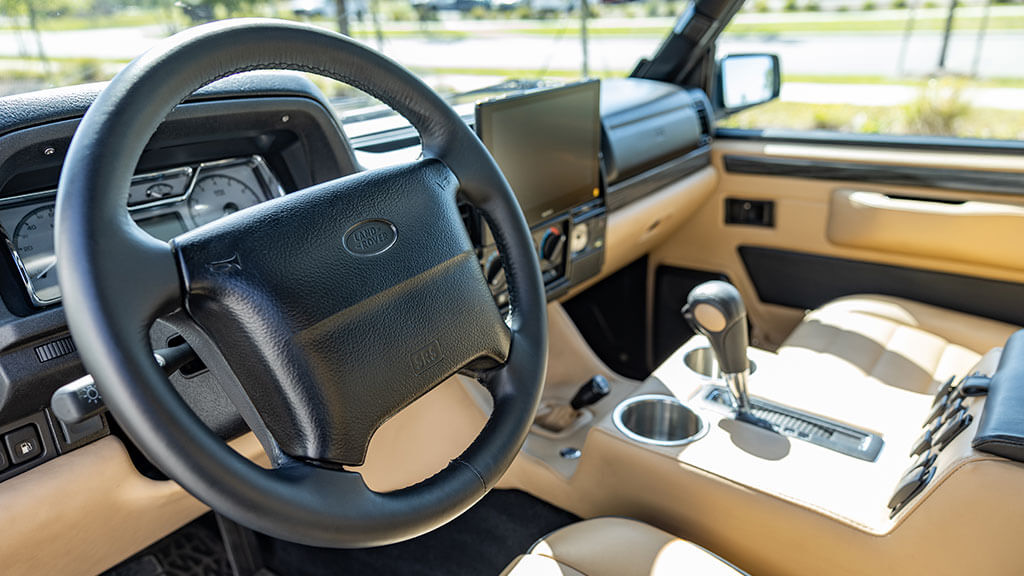
Inside, Project Gibbles features an OEM steering wheel wrapped in black leather, customized ECD digital gauges, and an interior that blends elegance with practicality. Under the hood, it is powered by a GM LT1 engine paired with an eight-speed automatic transmission that delivers smooth and reliable performance. Modern amenities include a Sony Halo touchscreen head unit, Apple CarPlay, wireless charging, rear AC, and multiple USB ports throughout the cabin.
Although this project is based on a 1995 model, the same restoration philosophy can be applied to a 1990 Range Rover to achieve a vehicle that feels classic yet elevated.
Project Amalfi: A Bold Vision for a Vintage Model
Project Amalfi serves as another example of how nineties Range Rover Classics can be transformed into refined luxury SUVs. Finished in full gloss Lincoln Green with black accents, this build embodies sophistication with a strong visual presence. It rides on 18-inch Khan Raw Style silver wheels paired with Michelin road tires for confident handling.
The interior is designed around comfort and craftsmanship. The layout includes two captain’s chairs and a 60/40 split bench mid-row, upholstered in Garrett Berkshire Auburn leather with meticulous single-stitch detailing. Power comes from an L92 V8 6.2-liter engine that delivers strength for both highway travel and off-road excursions. This blend of performance and refined materials makes Project Amalfi a strong example of what a 1990 Range Rover restoration can achieve through a personalized design plan.
Building Your Custom 1990 Range Rover With ECD
Refreshing a 1990 Range Rover through a custom restoration gives you the opportunity to design a vehicle that reflects your lifestyle and preferences. ECD provides a comprehensive process that allows you to shape every aspect of your build.
Creating a Vision That Matches Your Style
Clients often choose to enhance their 1990 Range Rover with modern drivetrains, advanced suspension components, upgraded lighting, premium upholstery, and refined interior layouts. Others prefer a more classic interpretation that remains close to the original design. No matter the direction, the goal is to create an SUV that blends the character of the 1990 Range Rover with improvements that support everyday usability and long-term enjoyment.
Explore the Design Process Through the 3D Build Simulator
ECD offers a 3D Build Simulator that allows you to experiment with colors, materials, wheels, configurations, and interior setups. This tool helps clients visualize their restoration more clearly and develop ideas before beginning the design consultation.
Start Your 1990 Range Rover Project With ECD
If you are ready to begin your restoration journey, ECD is here to guide you through the process from concept to completion. Our team of designers, engineers, and craftsmen is dedicated to building a 1990 Range Rover that captures the authenticity of the classic model while delivering the comfort, performance, and technology expected from a modern luxury vehicle.
Frequently Asked Questions
Are 90s Range Rovers reliable?
Many 1990 Range Rovers’ original models are still in use today, which confirms their reliability. However, like most vintage vehicles, their long-term reliability depends on consistent maintenance, proper restoration, and the replacement of components that naturally age over decades. When rebuilt with modern drivetrains, upgraded suspension parts, new wiring, and refreshed mechanical systems, a 1990 Range Rover can deliver reliability that rivals newer SUVs.
Why are 90s Range Rovers so expensive?
A 1990 Range Rover and other nineties models are expensive due to:
-
Rarity and collector demand: The Range Rover Classic is no longer in production, and well-preserved examples are increasingly difficult to find. This scarcity increases value.
-
Historical significance: The model played a major role in shaping the luxury SUV market, which makes it desirable among enthusiasts.
-
Restoration potential: These SUVs are ideal platforms for premium restorations. High-quality builds that include upgraded engines, interiors, and technology can significantly increase the overall cost due to craftsmanship and materials.
-
Imported or low-mileage vehicles command premium pricing: Models in excellent condition or with unique configurations often sell for higher amounts..
Is a 1990 car considered a classic?
Yes. In most regions, a vehicle becomes eligible for “classic” status at 25 to 30 years old, depending on local guidelines. Since the 1990 Range Rover is now more than three decades past its original release, it is widely recognized as a classic vehicle.
FREQUENTLY ASKED
QUESTIONS
No FAQs configured yet.