

Best Defender Upgrades: What Owners Add First and Never Regret
July 13, 2026
What a 1960s British Roadster Feels Like With Modern Power Underneath
July 17, 2026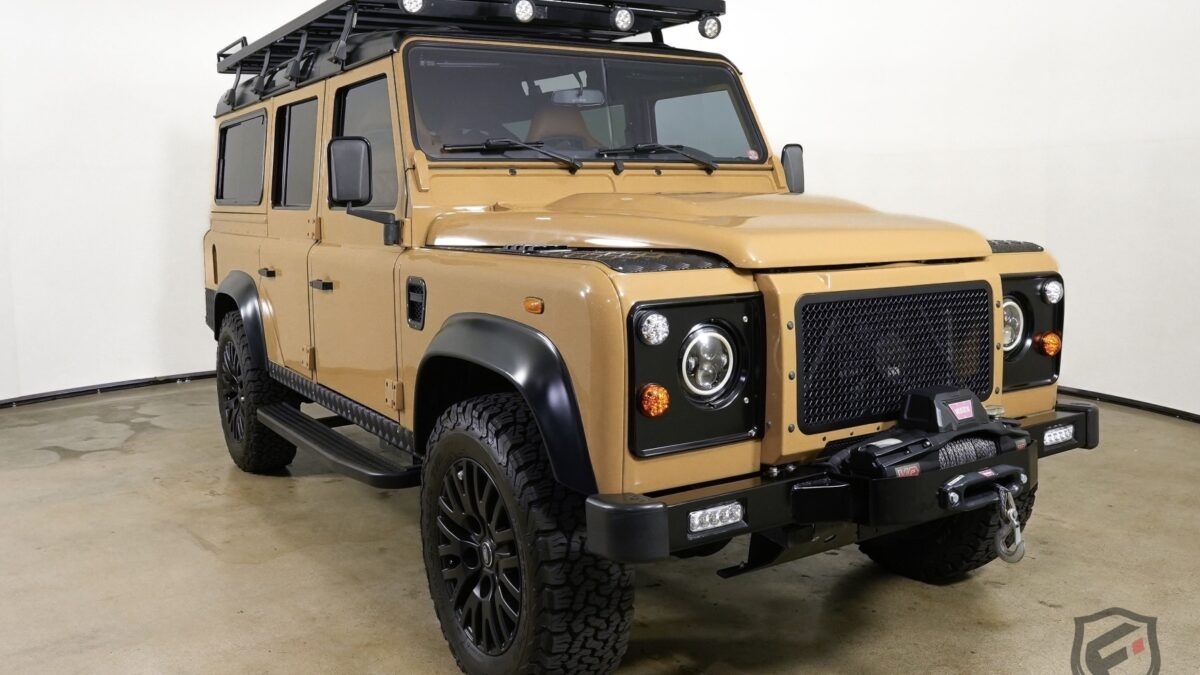
A bespoke vehicle is defined as a one-of-a-kind automobile built to the precise specifications of a single owner, making it the most direct physical expression of personal brand available in the automotive world. Unlike a factory car selected from a catalog, a bespoke build encodes your values, aesthetic sensibility, and lifestyle into every panel, stitch, and mechanical choice. 68% of luxury car buyers under 40 now prioritize personal meaning over traditional status markers, according to the 2025 J.D. Power Luxury Vehicle Experience Study. That shift tells us something profound: the vehicle you drive has become a statement of who you are, not simply what you can afford. Understanding why bespoke vehicles reflect personal brand starts with recognizing that craftsmanship, when directed by your own vision, becomes currency.
Why bespoke vehicles reflect personal brand through psychology
The psychological concept of the “extended self” explains why bespoke vehicles carry such identity weight. Psychologists use this term to describe how people incorporate possessions into their sense of self. Deeper customization creates stronger emotional bonds and longer ownership periods, because the vehicle stops being a product and starts being a part of the owner’s identity.
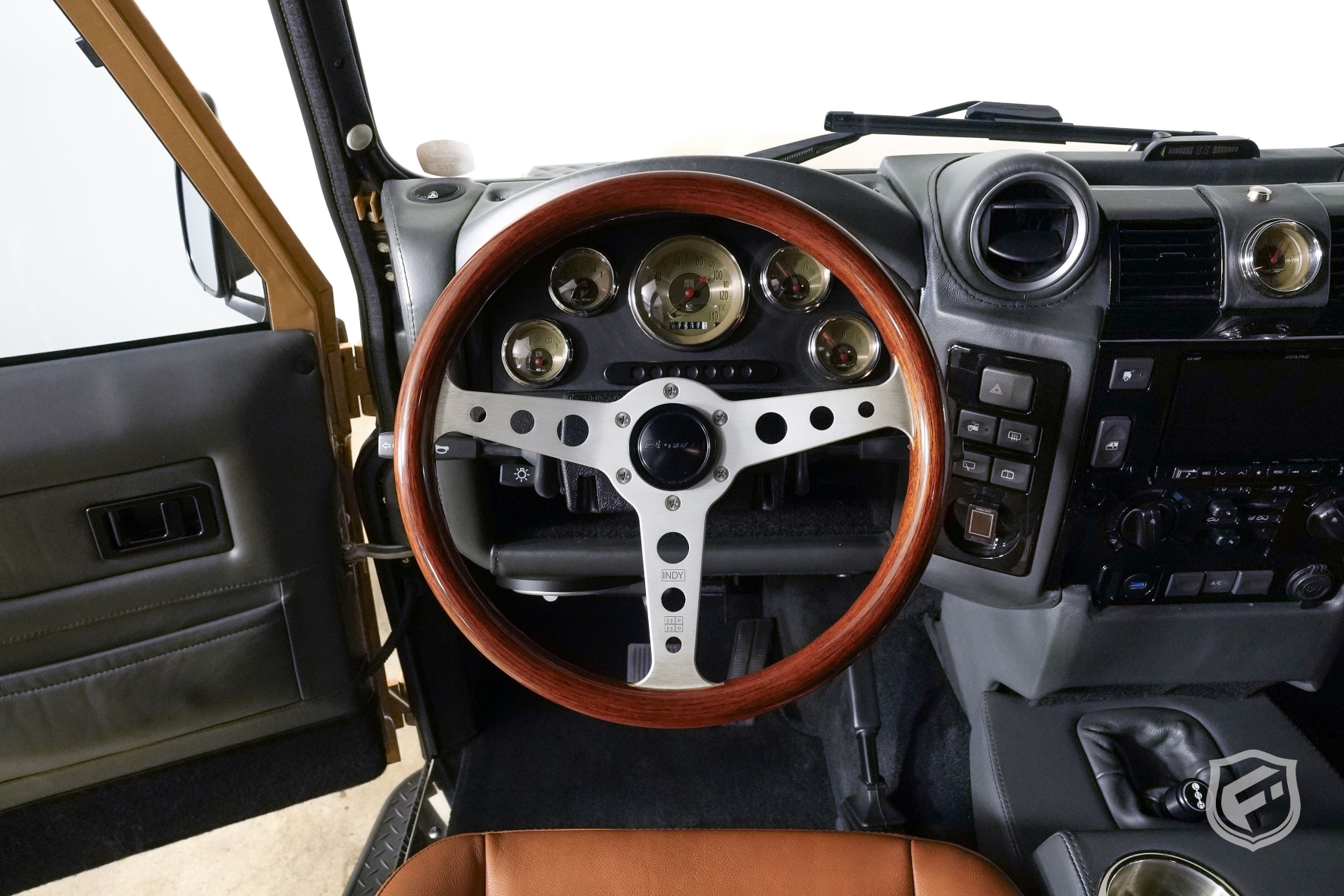
This dynamic intensifies when customization reflects genuine values rather than trend-chasing. A buyer who specifies sustainably sourced leather, a hand-stitched headliner in their family tartan, and a drivetrain tuned for mountain terrain is not decorating a car. They are building a physical autobiography. Each choice signals something specific about who they are to everyone who sees or rides in the vehicle.
The need for uniqueness is a well-documented psychological driver. Owners who name and personalize their vehicles develop anthropomorphic bonds that factory buyers rarely experience. That emotional attachment translates into pride of ownership, longer retention, and a willingness to invest in maintenance that preserves the vehicle’s integrity over decades.
Bespoke customization also functions as authentic identity alignment in a market where buyers are moving away from conspicuous status symbols. Modern luxury buyers want their vehicles to reflect personality, not just purchasing power. A bespoke build delivers exactly that.
- Values encoding: Material choices like reclaimed wood trim or ethically sourced hides signal environmental and ethical commitments without a word spoken.
- Lifestyle signaling: A purpose-built off-road suspension, roof rack, and auxiliary lighting package communicates an adventure-oriented life far more credibly than a factory “sport” badge.
- Aesthetic identity: Color, texture, and finish combinations that exist nowhere else in the world make the vehicle an unmistakable extension of the owner’s visual brand.
- Emotional provenance: Knowing every detail was chosen by you creates a narrative that adds meaning to every mile driven.
Pro Tip: Before specifying a single feature, write down three adjectives that describe your personal brand. Every customization choice should map back to at least one of them.
What does the bespoke design process reveal about personal branding?
The bespoke design process is a relationship, not a transaction. Rolls-Royce’s atelier process illustrates this clearly: designers collect handwritten cards, personal photographs, and material samples from clients before a single line is drawn. The goal is to translate intangible personality traits into concrete design decisions. That translation is the essence of personalized vehicle branding.
The process unfolds in distinct phases, each requiring genuine collaboration between client and craftsman.
- Discovery. Designers interview the client about their life, not just their preferences. Travel habits, professional identity, family history, and aesthetic influences all inform the brief.
- Concept development. Initial renderings and material samples are presented. The client responds, and the design team refines. This iteration can span weeks or months.
- Sampling and refinement. The decision-making timeline in bespoke builds often surprises clients. Deep design refinement resembles couture fashion: samples are made, evaluated, and remade until every element is exactly right.
- Build and validation. Craftsmen execute the approved design. The client may visit the atelier during construction to verify that the physical reality matches the vision.
- Delivery and relationship. The handover is not the end. Bespoke builders maintain ongoing relationships with clients, often informing future builds.
“Understanding the client’s life is the only way to design something that truly belongs to them. A bespoke vehicle is not a product we make. It is a portrait we paint together.”
— Bespoke design philosophy, as articulated in the Rolls-Royce atelier process
Ecdautodesign applies this same philosophy to its custom Land Rover Defender builds, where clients collaborate directly with designers and artisans to produce vehicles that mirror their personal brand and lifestyle. The result is not a restored truck. It is a portrait in steel, leather, and engineering.
How does a bespoke vehicle compare to an off-the-lot car for personal brand expression?
The gap between a bespoke build and a mass-produced vehicle is not merely cosmetic. It is architectural. Factory cars are designed to appeal to the broadest possible audience, which means every choice is a compromise. A bespoke vehicle, by contrast, is system-engineered to optimize every element for a specific owner’s needs, terrain, and use case. That integration produces a vehicle that performs and feels like no other.
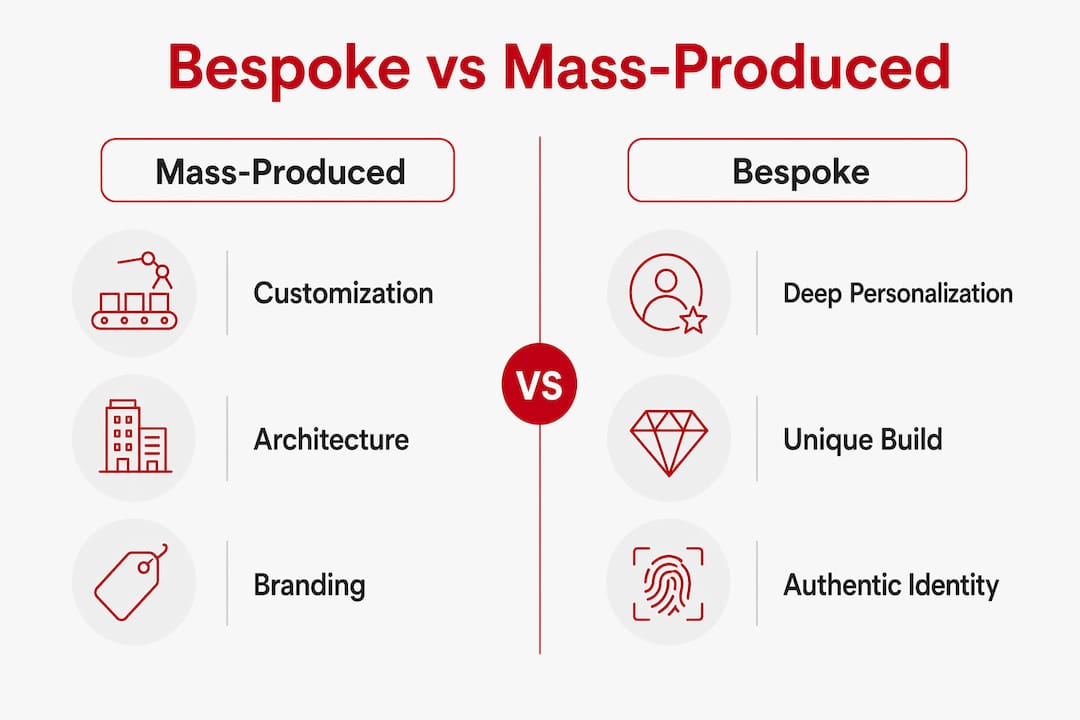
| Feature | Mass-produced vehicle | Bespoke vehicle |
|---|---|---|
| Customization depth | Color and trim packages only | Every component, material, and system |
| Emotional value | Generic ownership experience | Personal narrative embedded in the build |
| Uniqueness | Thousands of identical units | One vehicle in the world |
| Identity alignment | Approximate fit to lifestyle | Exact reflection of personal brand |
| Longevity of ownership | Average replacement cycle | Extended retention due to emotional bond |
| Resale character | Depreciates as commodity | Holds value as a singular artifact |
The authenticity in branding that builds trust in business applies equally to personal vehicle branding. A bespoke build is authentic by definition because it was made for one person. A factory car, however well-specified, carries the identity of its demographic segment, not its individual owner.
Bespoke off-road builds make this distinction especially vivid. A factory off-road package adds visual cues and modest capability upgrades. A purpose-built adventure vehicle integrates suspension geometry, differential tuning, auxiliary power, and storage systems into a single coherent machine. The difference is the same as between a suit bought off the rack and one cut by a tailor who measured every dimension of your body.
Practical tips for aligning a bespoke vehicle with your personal brand
Aligning a bespoke build with your personal brand requires clarity before you ever speak to a designer. The most common mistake buyers make is arriving with a list of features rather than a statement of identity. Features follow identity. Identity does not follow features.
- Define your brand values first. Write them down. If your brand is “quiet confidence, environmental responsibility, and technical mastery,” every material and mechanical choice should serve those three values.
- Map your lifestyle honestly. A vehicle built for weekend trail runs and daily urban commuting requires different engineering than one built exclusively for expedition use. Bespoke off-road vehicles are engineered for specific terrains and climates. Be precise about yours.
- Choose materials that carry meaning. Reclaimed timber, heritage leather, or a paint color mixed to match a family heirloom all add narrative depth that generic options cannot replicate.
- Work closely with your designer. Share photographs, objects, and places that matter to you. The more context a designer has, the more accurately they can translate your identity into the build.
- Budget for the process, not just the product. Bespoke builds require time and iteration. Rushing the design phase produces a vehicle that is custom in specification but generic in spirit.
- Plan for insurance and documentation. A bespoke vehicle requires a specialist insurer who understands agreed-value policies. Document every specification and material choice from day one.
Pro Tip: Ask your designer to produce a written “brand brief” for the vehicle before the build begins. This document should describe the vehicle’s identity in three to five sentences, just as a brand strategist would describe a company. It becomes the filter for every decision that follows.
Brand consistency principles that govern corporate identity apply directly here. A bespoke vehicle that mixes conflicting aesthetic signals sends a muddled message, just as an inconsistent brand does. Coherence across every detail is what makes the finished build feel intentional rather than assembled.
Ecdautodesign’s mobile design experience program brings this collaborative process directly to clients, making it easier to align the build with your environment and lifestyle from the very first conversation.
Key Takeaways
Bespoke vehicles reflect personal brand because they are the only automotive format that encodes individual values, lifestyle, and identity into every engineered and aesthetic decision.
| Point | Details |
|---|---|
| Identity over status | Modern luxury buyers prioritize personal meaning over traditional status markers, making bespoke builds the most authentic choice. |
| Extended self psychology | Deeper customization creates stronger emotional bonds and longer ownership, because the vehicle becomes part of the owner’s identity. |
| Process is the product | The collaborative design journey, from discovery to delivery, is itself a branding exercise that produces a coherent personal statement. |
| Bespoke vs. factory gap | Mass-produced vehicles approximate a demographic. Bespoke vehicles reflect one specific person, with no compromise. |
| Clarity before customization | Defining your brand values before specifying features produces a build that feels intentional and coherent rather than assembled. |
The most underrated truth about bespoke vehicles
Most articles on bespoke vehicles focus on the glamour of the finished product. The more interesting story is what the process reveals about the owner. Sitting across from a designer and being asked to describe your life, your values, and the places that matter to you is a clarifying experience. Many clients tell me they understand their own personal brand better after a bespoke build than they did before it.
The vehicles I find most compelling are not the ones with the most expensive materials. They are the ones where every choice connects to a coherent identity. A matte olive Defender with a hand-stitched canvas interior and a purpose-built expedition roof system tells a specific story. A vehicle with conflicting luxury and rugged cues tells no story at all.
The practical reality is that bespoke customization also demands discipline. You will be tempted to add features because they are available, not because they serve your brand. The best designers push back on those impulses. That friction is part of the value. A great bespoke builder is not just a fabricator. They are an editor.
My honest view is that the emotional artifact dimension of bespoke vehicles is still undervalued. Customization creates mobile art installations that function as conversation starters and identity anchors in a way no factory vehicle can. That is not a luxury indulgence. For people whose personal brand is central to their professional and social life, it is a legitimate investment in how they show up in the world.
— Evolve
Ecdautodesign and the art of building your personal brand in metal
Ecdautodesign has spent years refining the exact process described in this article, applied specifically to classic Land Rover Defenders rebuilt from the ground up. Every build begins with a client discovery conversation and ends with a vehicle that exists nowhere else on earth.
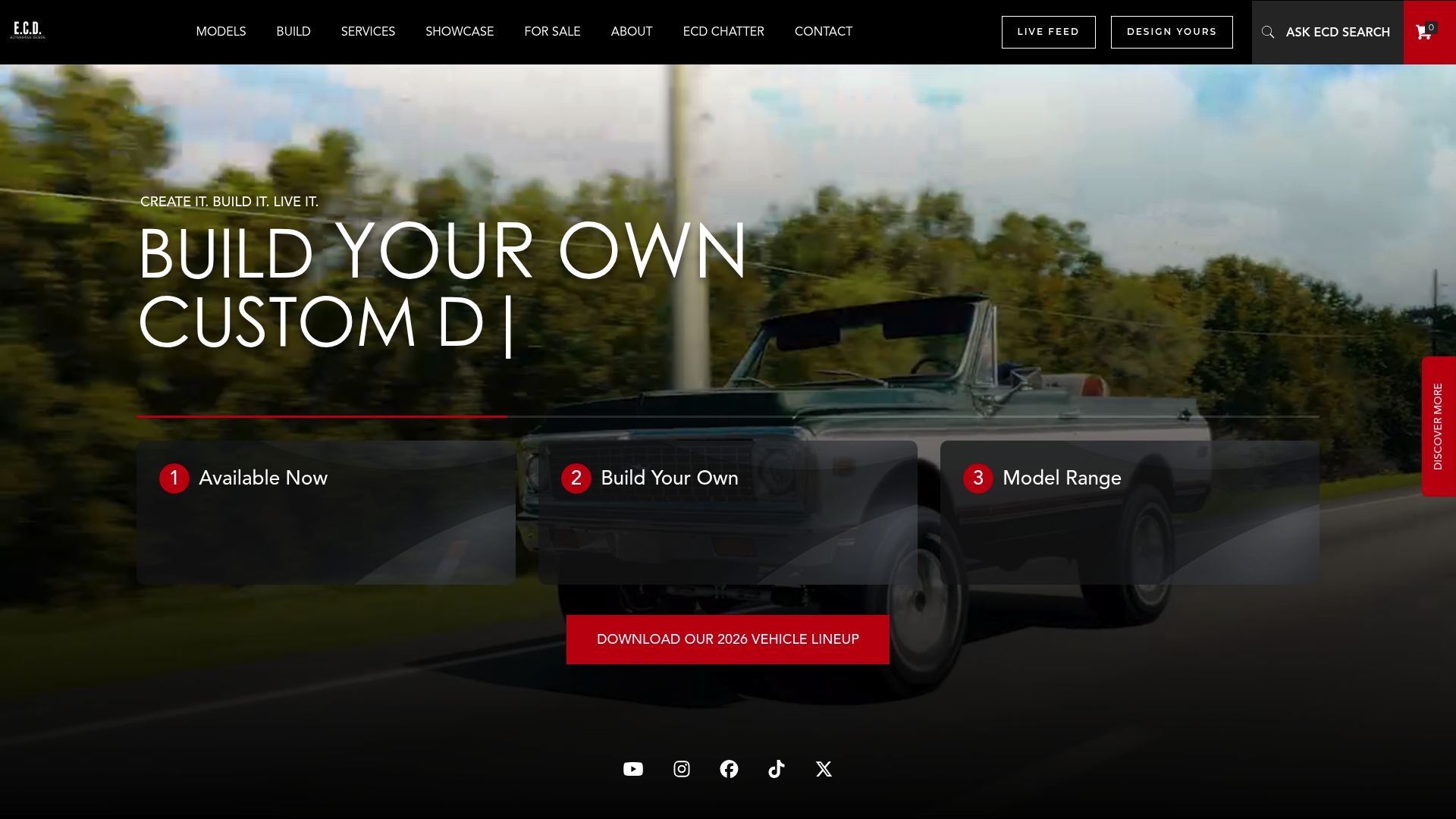
The custom restoration process at Ecdautodesign covers every dimension of the build: drivetrain selection, suspension engineering, interior materials, color, and technology integration. Clients use a real-time 3D rendering configurator to visualize their choices before fabrication begins. The result is a vehicle that carries your identity as clearly as your name. If you are ready to build something that is genuinely yours, explore what a restored Defender built to your exact specification looks and feels like.
FAQ
What does bespoke vehicle mean?
A bespoke vehicle is a car or truck built to the precise specifications of a single owner, with every component, material, and system chosen to reflect that individual’s identity and needs. No two bespoke vehicles are identical.
Why do bespoke vehicles suit adventure lifestyles?
Bespoke off-road builds are engineered as integrated systems optimized for specific terrains, climates, and use cases, surpassing generic factory off-road packages that add visual cues without genuine capability. That engineering coherence makes them the most capable and personal choice for serious adventurers.
What is a bespoke off-road build?
A bespoke off-road build is a purpose-built vehicle where suspension geometry, differential tuning, auxiliary power, and storage systems are specified and integrated together for a single owner’s terrain and use, rather than assembled from generic aftermarket parts.
How do I negotiate a bespoke vehicle build contract?
A bespoke build contract should specify the design brief in writing, include milestone approvals at each phase, define material standards by name and grade, and establish an agreed timeline with clear revision rights. Document every specification before fabrication begins.
How do I insure a custom bespoke vehicle?
A bespoke vehicle requires a specialist insurer who offers agreed-value coverage, meaning the vehicle is insured for its full replacement cost rather than a depreciated market value. Provide your insurer with a complete specification document and professional appraisal at the time of policy inception.
Recommended
- Limited Edition Vehicle Customization Options: 2026 Guide
- ECD Automotive Design Flexes Manufacturing Muscle: Hits the Road to Bring Design Experience and Bespoke Vehicles to Clients’ Backyards – Custom Defender | Restored Defender Specialists | ECD Auto Design
- Luxury Travel Magazine: How E.C.D. Automotive Design Became a Leader in Restored Custom Land Rovers – Custom Defender | Restored Defender Specialists | ECD Auto Design
- Cerebral Overload | ECD Automotive Design Flexes Manufacturing Muscle: Hits the Road to Bring Design Experience and Bespoke Vehicles to Clients’ Backyards – Custom Defender | Restored Defender Specialists | ECD Auto Design
FREQUENTLY ASKED
QUESTIONS
No FAQs configured yet.