

1993 Porsche 911
May 15, 2026
Electric Restomods: What You Gain, What You Lose, and Who They’re Really For
May 25, 2026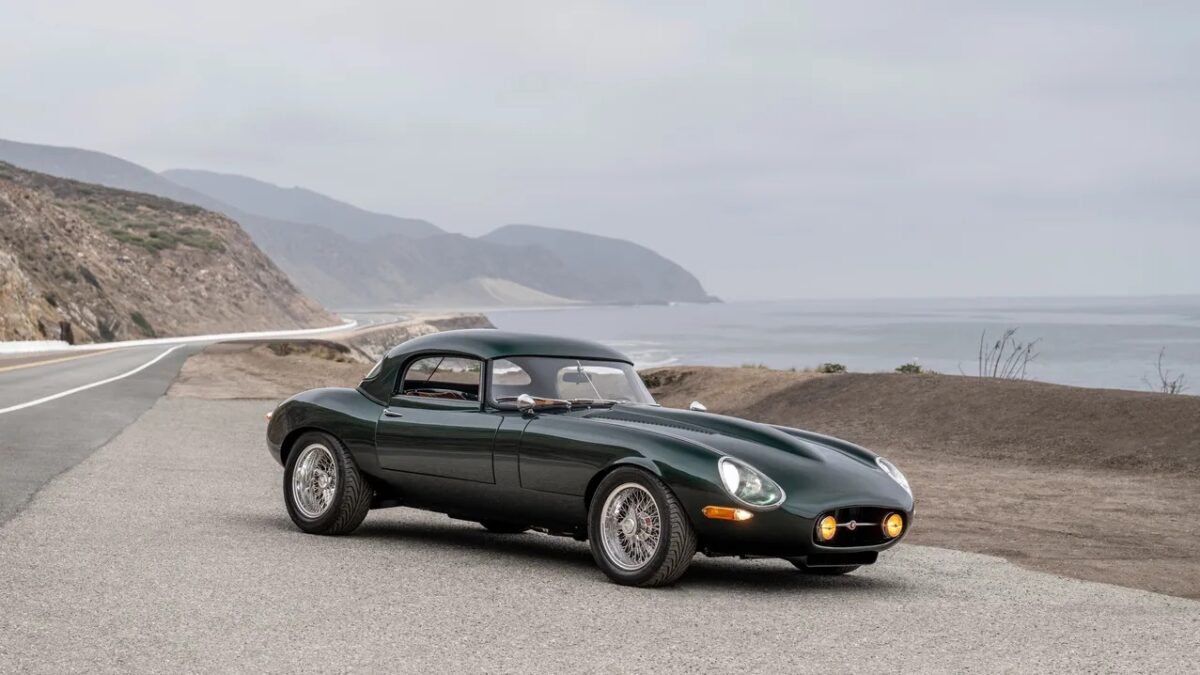
Choosing between a Jaguar E-Type, Porsche 911, and classic Ford Mustang is not really about picking the “best” car. It is about choosing the classic sports car that fits how you actually want to drive, maintain, and enjoy it.
All three are icons, but they deliver very different ownership experiences. The Jaguar E-Type is the rolling sculpture. The Porsche 911 is the precision driver’s car. The Mustang is the American performance legend with the broadest personality and easiest ownership path.
Current market data reflects that difference. Classic.com lists the Jaguar E-Type average sale price around $101,000, the Porsche 911 around $126,000, and the first-generation Ford Mustang around $61,000, though prices vary heavily depending on year, originality, engine, condition, and build quality.
The Jaguar E-Type: Best for Beauty, Drama, and Collectibility
The Jaguar E-Type is the emotional choice. Few classic cars have the same visual impact. Long hood, low stance, elegant curves, and a cabin that feels more like a grand touring machine than a raw muscle car. It is the car you buy when you want every gas station stop to turn into a conversation.
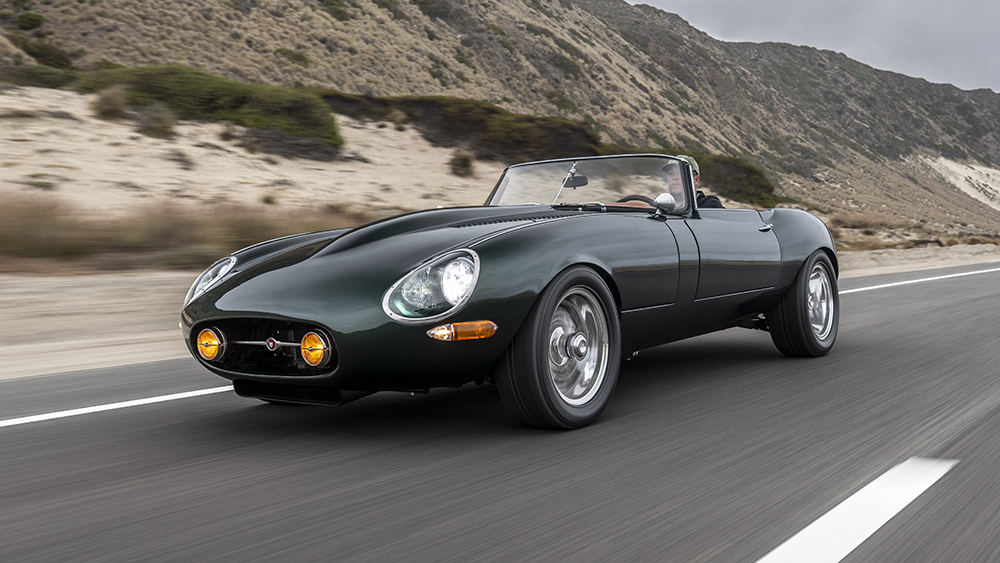
It also has serious collector credibility. Series 1 cars are usually the most desirable, especially early roadsters, while later Series 2 and Series 3 cars can offer a slightly more approachable entry point. Hagerty’s valuation listings show how wide the E-Type market can be, with certain early Series 1 examples reaching extremely high values while later models sit far below that level.
The downside is ownership complexity. An E-Type rewards careful maintenance, knowledgeable mechanics, and a buyer who understands that old British sports cars need attention. It is not the car for someone who wants simple parts availability, casual weekend abuse, or a “just turn the key and go” experience every time.
Buy the E-Type if: you care most about design, rarity, elegance, and collector presence.
Avoid it if: you want the easiest classic to maintain or modify.
The Porsche 911: Best for Driving Feel and Long-Term Confidence
The Porsche 911 is the most complete sports car of the three from a driver’s perspective. It has the strongest motorsport identity, excellent steering feel, compact dimensions, and a driving experience that still feels sharp decades later.
The 911 market is also incredibly deep. From early long-hood cars to G-body models, 964s, 993s, 997s, and newer collector-grade variants, there is a 911 for almost every type of enthusiast. Classic.com’s overall Porsche 911 average sale price is around $126,000, but individual generations can vary dramatically. For example, the 997 generation averages below that overall figure, while rare modern special models can command far more.
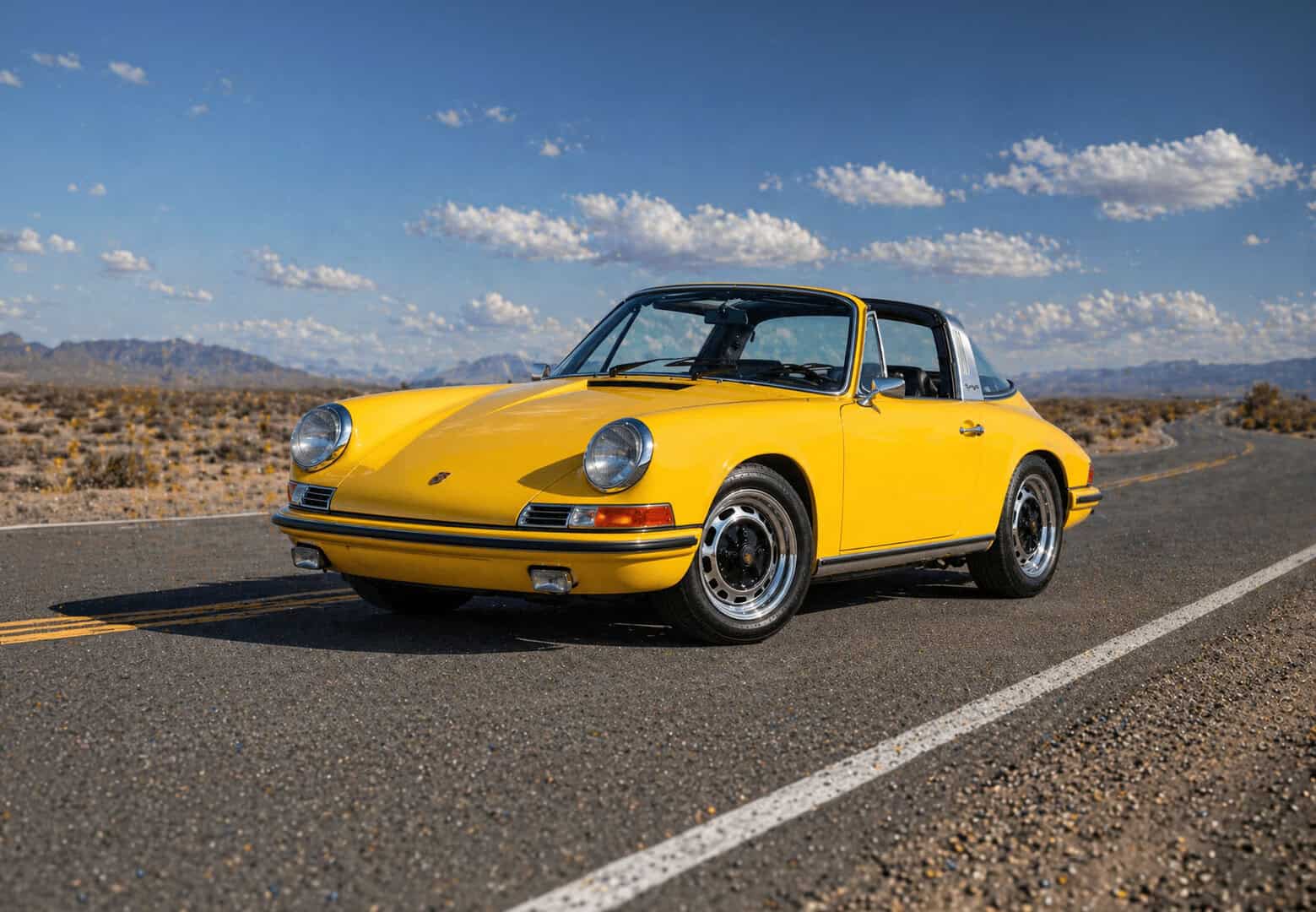
The 911’s biggest advantage is confidence. It is highly usable, well-supported, respected by collectors, and generally easier to live with than an E-Type. The tradeoff is price. Clean air-cooled 911s are no longer the “undervalued enthusiast secret” they once were. Buyers often pay a premium for originality, documentation, and desirable specs.
Buy the 911 if: you want the best pure driving experience and the strongest all-around collector sports car.
Avoid it if: you want big V8 character, dramatic styling, or a lower-cost entry point.
The Classic Mustang: Best for Personality, Parts, and Customization
The classic Mustang is the most flexible choice. It can be a cruiser, a muscle car, a restomod, a weekend toy, or a high-end custom build. That versatility is why the Mustang remains one of the easiest classic cars to own and personalize.
Compared with the E-Type and 911, the Mustang usually offers a more approachable starting point. Classic.com lists first-generation Mustang average sale prices around $61,000, while broader Mustang market averages sit lower because of the wide range of years and trims.

Parts availability is a major advantage. Mustang owners have access to strong aftermarket support, restoration components, performance upgrades, and modern drivability options. That makes the Mustang especially attractive for buyers who want the classic look without being locked into a museum-quality ownership experience.
The downside is that not all Mustangs are equal. A basic coupe, a fastback, a Mach 1, a Boss, a Shelby, and a custom restomod can live in completely different price worlds. Build quality matters more than the badge alone.
Buy the Mustang if: you want American style, V8 sound, easier maintenance, and the most customization potential.
Avoid it if: you want European handling precision or rare exotic feel.
So, Which One Should You Actually Buy?
For most buyers, the Porsche 911 is the best driver’s choice, the Jaguar E-Type is the best collector statement, and the Mustang is the best ownership experience for customization and value.
Here is the simplest breakdown:
| Buyer Type | Best Choice |
|---|---|
| Wants beauty and prestige | Jaguar E-Type |
| Wants the best sports car feel | Porsche 911 |
| Wants V8 power and customization | Classic Mustang |
| Wants easiest parts support | Classic Mustang |
| Wants strongest collector driving appeal | Porsche 911 |
| Wants the most dramatic garage centerpiece | Jaguar E-Type |
The real answer depends on your intent. If you want a classic that feels like art, buy the E-Type. If you want a car that makes every back road feel special, buy the 911. If you want a classic you can personalize, drive, upgrade, and enjoy without feeling trapped by originality, buy the Mustang.
For a buyer who wants the best balance of emotion, usability, and personalization, the Mustang is the smartest choice. For the purist driver, the 911 still wins. For the collector who wants the car that looks expensive before it even starts, the E-Type remains almost impossible to beat.
FREQUENTLY ASKED
QUESTIONS
No FAQs configured yet.