


Range Rover Classic vs Jaguar E-Type: Which Bespoke Classic Belongs in Your Garage?
June 4, 2026
Rebuild vs Restomod Porsche 911: Which One Should You Buy?
June 5, 2026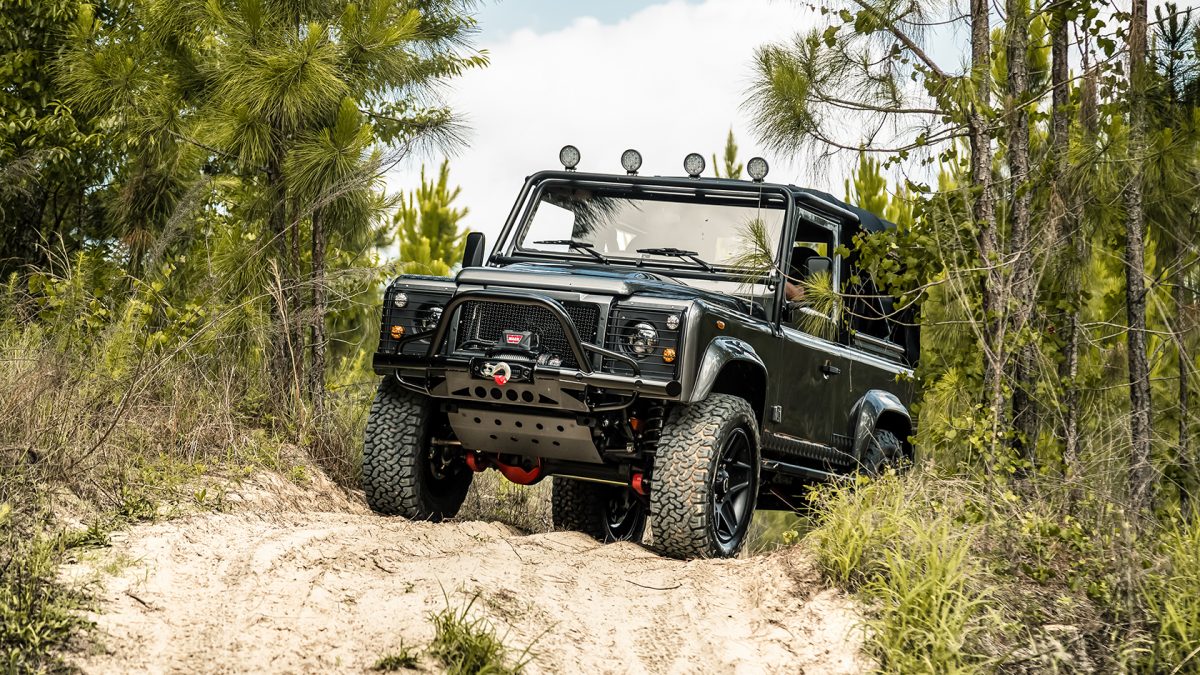
Buying a custom classic is very different from buying a standard used luxury vehicle. You are not just judging the badge, the paint color, or the engine. You are judging the quality of the builder, the depth of the restoration, the parts used, the documentation, and whether the vehicle was actually engineered to be driven.
That matters because the custom classic and restomod market has grown quickly. More shops, private sellers, and auction listings are offering “custom” builds, but not every expensive classic is a high-quality one. Some are true bespoke vehicles. Others are old cars with fresh paint, a loud engine, and hidden problems underneath.
So where should you buy a high-quality custom classic? The best answer is from a proven builder with a transparent process, warranty support, documented craftsmanship, and a clear track record.
Start With the Builder, Not Just the Vehicle
A beautiful classic can hide a lot. Paint, wheels, leather, and engine swaps may photograph well, but they do not automatically mean the vehicle was built correctly.
The builder matters because a proper custom classic requires more than restoration knowledge. It requires engineering, wiring, fabrication, paintwork, interior craftsmanship, drivetrain integration, testing, and quality control. A high-end restomod should feel complete from front to back, not like a collection of parts.
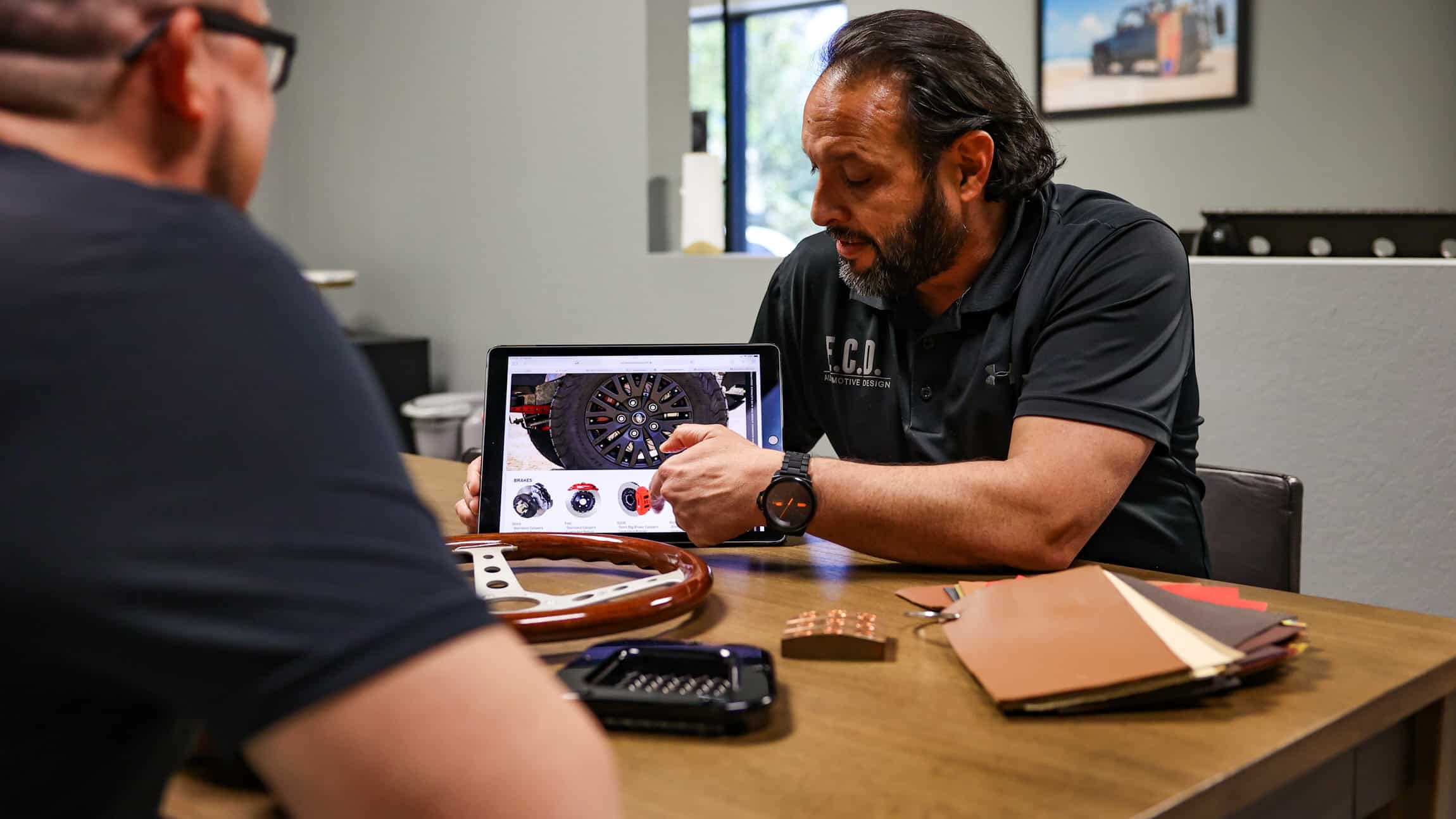
At ECD Auto Design, that process is handled under one roof, allowing each build to move from concept to completion with a clear focus on craftsmanship, personalization, and modern drivability. From Vintage Defenders and Range Rover Classics to Jaguar E-Types, Classic Mustangs, and other bespoke platforms, the goal is not simply to restore the past. It is to reimagine it around the client’s lifestyle.
Choose a Builder With a Clear Process
A strong custom shop should be able to explain exactly how a vehicle is built. That includes how the donor vehicle or platform is selected, how the body is restored, how the drivetrain is installed, how wiring is handled, how the interior is finished, and how the vehicle is tested before delivery.
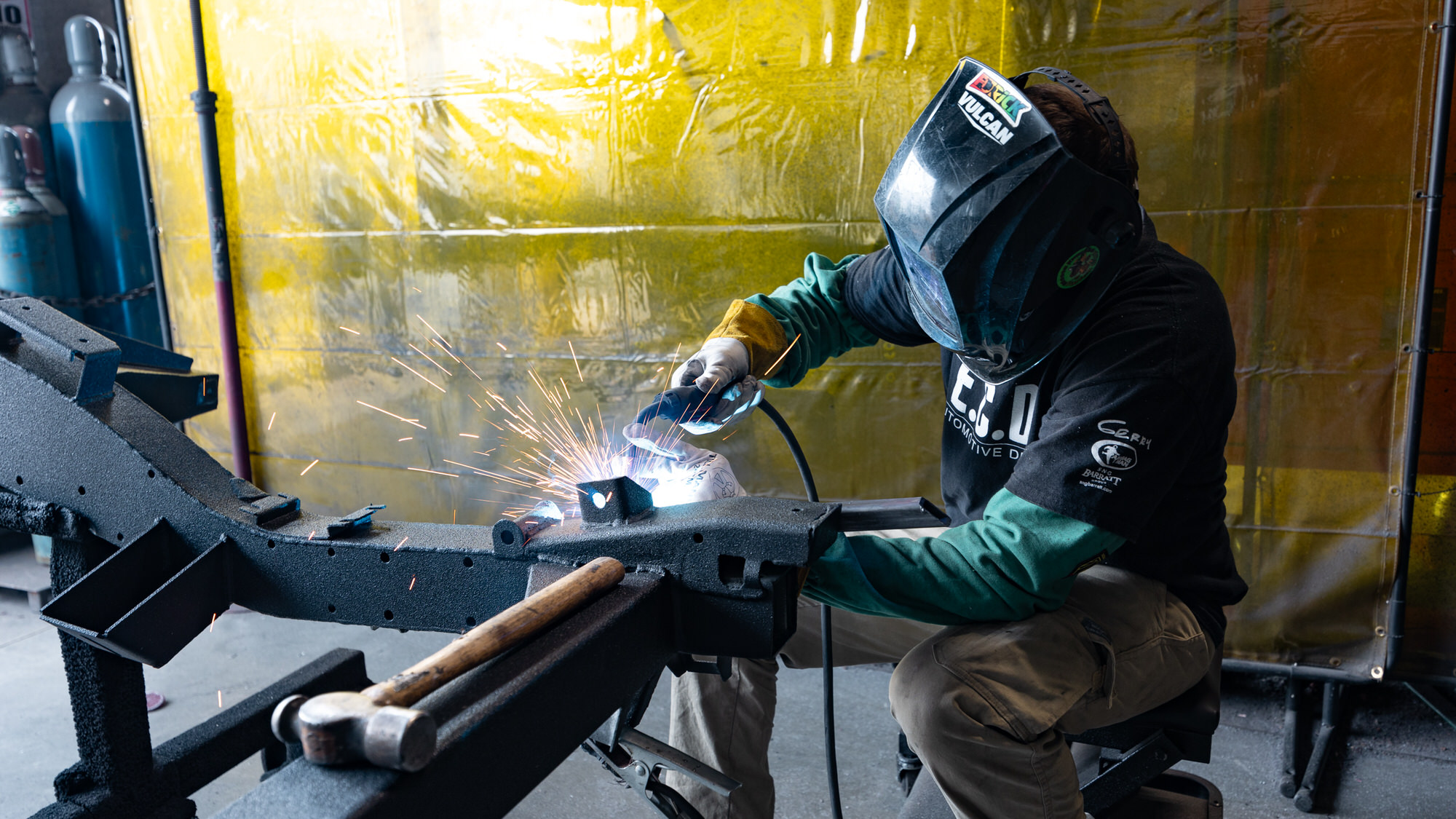
This level of transparency is important because two vehicles can look similar online but be completely different underneath. One may be a carefully engineered build with modern performance, updated comfort, and documented craftsmanship. Another may be a cosmetic refresh with a few upgrades and very little long-term reliability behind it.
A quality builder should be able to walk a client through the full journey — design, sourcing, teardown, restoration, fabrication, paint, interior, drivetrain, testing, and delivery. If a seller cannot clearly explain what was done and why, that is a warning sign.
Do Not Be Fooled by Photos Alone
Great photography can make almost any custom classic look impressive. Shiny paint, dramatic lighting, new wheels, and fresh leather can hide weak craftsmanship, rust issues, poor wiring, low-quality parts, or rushed assembly.
That is why buyers should look beyond the first impression. Ask how deep the restoration went. Was the vehicle fully disassembled? Was rust properly addressed? Was the wiring replaced or patched? Were the brakes, suspension, drivetrain, and cooling system upgraded to match the vehicle’s new performance?
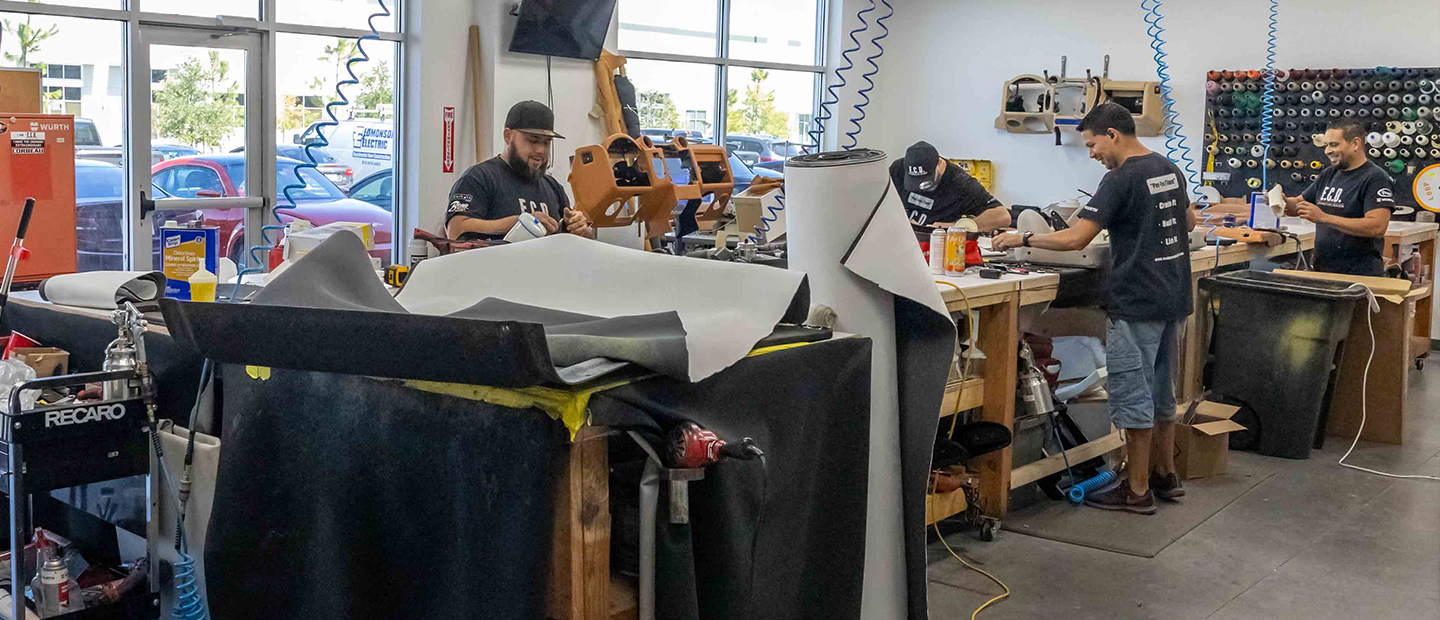
A high-quality custom classic should feel complete. The doors should shut correctly. The interior should feel solid. The vehicle should start confidently, idle properly, brake smoothly, and drive with purpose. It should not feel like a project car dressed up with expensive finishes.
Documentation Creates Confidence
Documentation is one of the clearest ways to separate a serious build from a risky one. A well-built custom classic should come with a clear record of the work performed, the components used, and the process behind the finished vehicle.
That can include build photos, parts lists, drivetrain details, paint information, interior specifications, inspection notes, service records, and warranty information. Documentation gives the buyer confidence that the vehicle was not just made to look good for sale, but built with accountability.
For buyers investing six figures into a custom classic, confidence matters. You should know what you are buying, who built it, what went into it, and what kind of support exists after delivery.
Look for Warranty and Support
One of the biggest differences between a high-quality build and a risky one is what happens after the vehicle is delivered.
A bad build may look exciting on day one, but if something fails later, the buyer can be left chasing parts, mechanics, and answers. A better builder provides support, guidance, and a more confident ownership experience.
This is especially important with restomods because they often combine classic platforms with modern components. Powertrains, suspension systems, electronics, interiors, and technology all need to work together. When those systems are not properly integrated, ownership can become frustrating fast.
A custom classic should not feel like a gamble. At this level, the buyer is paying for craftsmanship, but also for peace of mind.
Be Careful With Auction Builds and Private Sellers
Auctions and private sellers can offer interesting vehicles, but they require more caution. A finished restomod may have been built by a reputable shop, a small local garage, or an individual owner. The photos may look similar, but the quality can be completely different.
Before buying from an auction or private seller, ask for the builder’s name, restoration photos, receipts, parts lists, service records, VIN and title history, rust repair details, drivetrain information, and any warranty documentation. A pre-purchase inspection is also strongly recommended.
This does not mean every private-sale custom classic is bad. It simply means the buyer has to work harder to verify quality. Without the backing of a proven builder, the vehicle must speak through its documentation, inspection results, and build history.
Know the Difference Between Restored, Modified, and Bespoke
These words are often used loosely, but they do not mean the same thing.
A restored classic is usually brought back close to factory condition. A modified classic may have upgraded wheels, suspension, engine components, or interior changes. A bespoke restomod is more comprehensive. It is reimagined around the buyer, often combining classic styling with modern performance, luxury materials, updated drivability, and custom design.
That difference matters when comparing prices. A high-quality bespoke build is not priced only by parts. It reflects labor, design, fabrication, paint, interior craftsmanship, testing, quality control, and support.
This is why a true custom classic from a proven builder can cost significantly more than a vehicle that has simply been cleaned up and modified. One is built as a complete experience. The other may only be a collection of upgrades.
Red Flags That Signal a Bad Build
The easiest way to avoid a bad custom classic is to slow down and look past the shine.
Be cautious if the seller cannot explain who built the vehicle, what was replaced, how the drivetrain was installed, or whether the wiring was redone properly. Be even more cautious if there are no underside photos, no documentation, no service records, or no evidence of testing.
Other warning signs include uneven panel gaps, mismatched paint, cheap interior materials, exposed wiring, vague engine descriptions, poor brake feel, overheating issues, rattles, leaks, and titles with salvage or rebuilt history.
A high-quality custom classic should not feel mysterious. The more vague the seller is, the more risk the buyer is taking on.
Why Buying Direct From a Proven Builder Matters
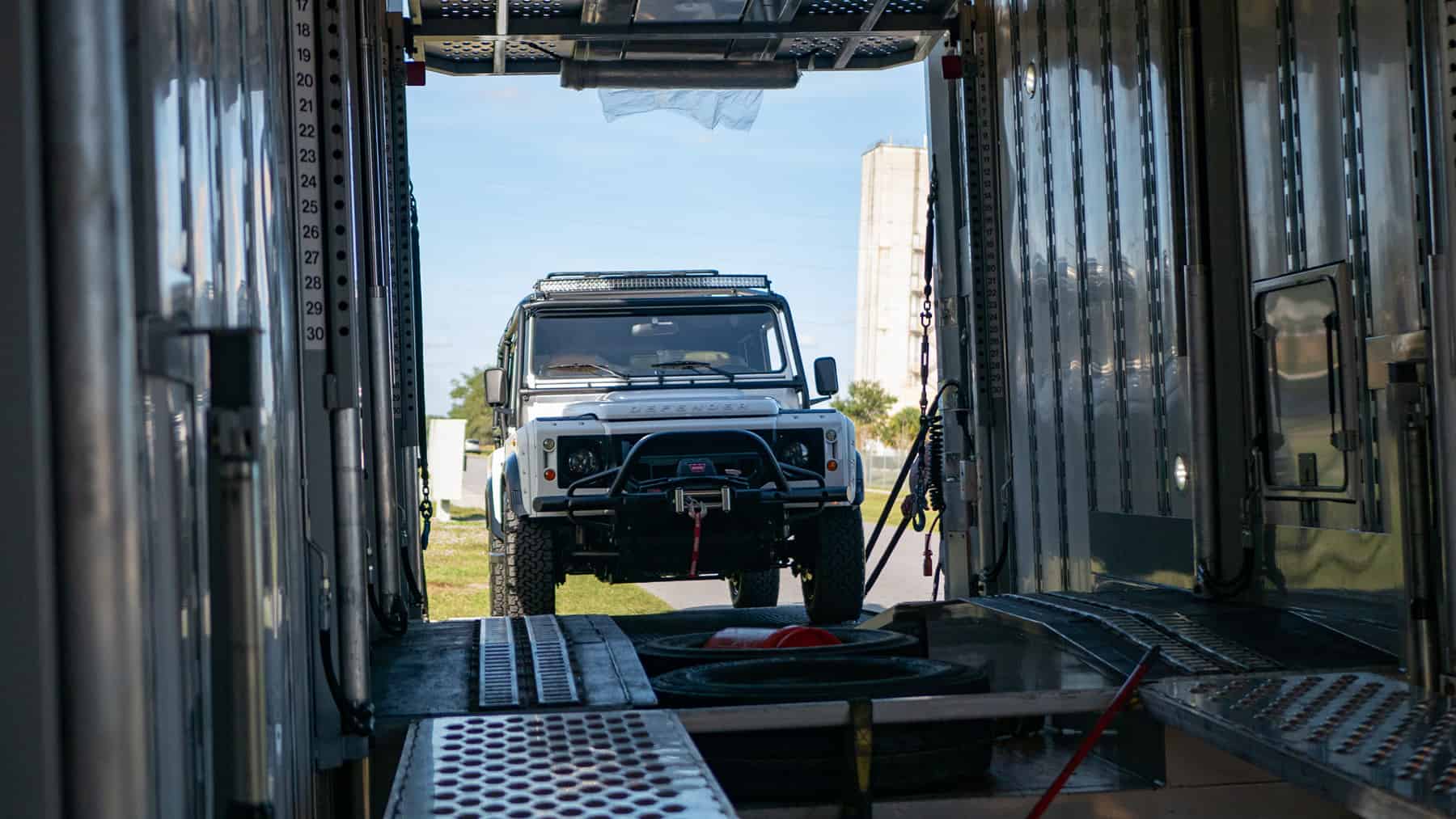
Buying direct from a proven custom builder gives buyers something that an auction listing or private sale often cannot: control.
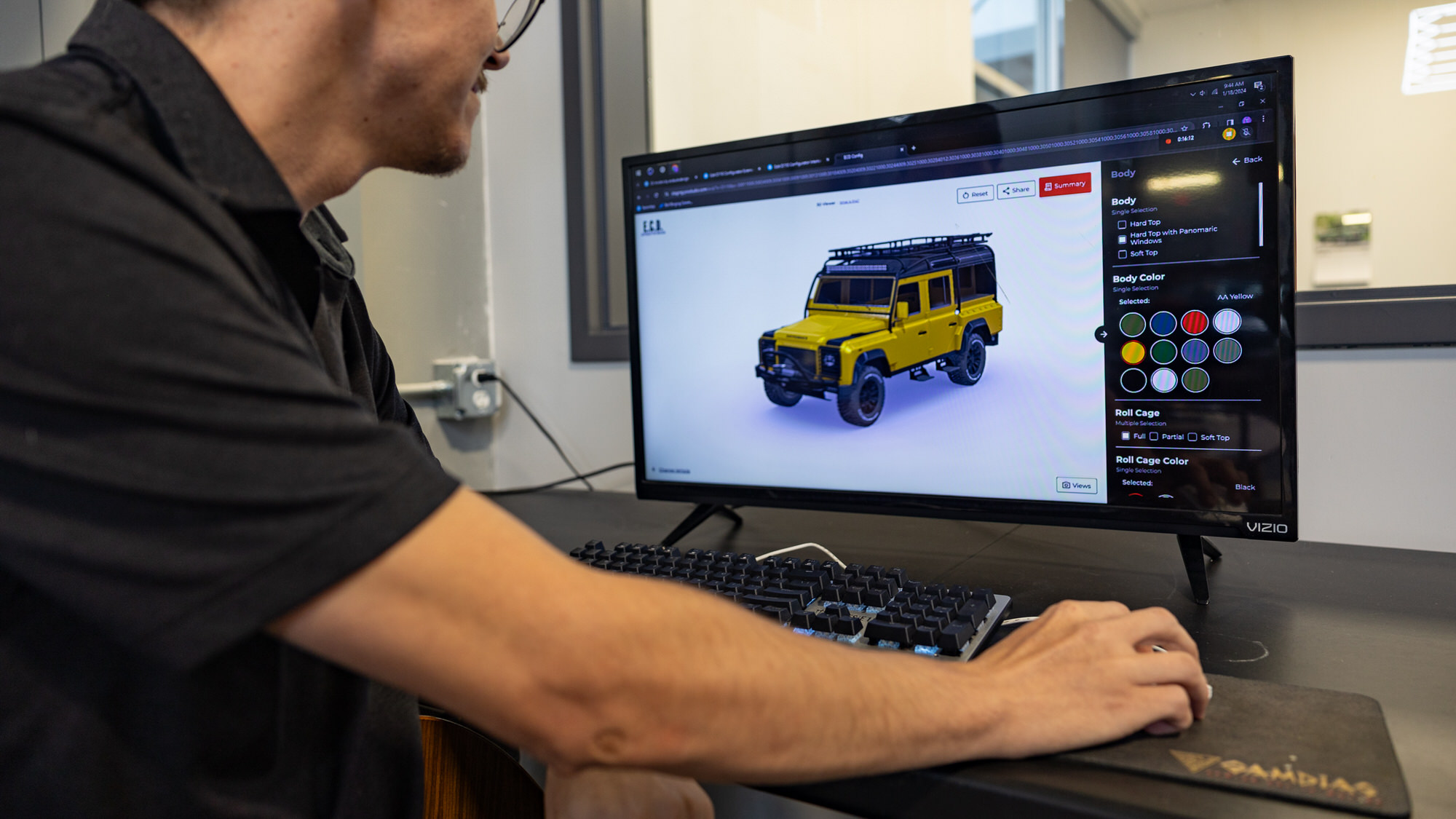
Instead of inheriting someone else’s choices, clients can shape the vehicle around their own taste. Paint, leather, stitching, wheels, powertrain, suspension, technology, audio, seating, and finishing details can all be selected with intention.
That is one of the biggest advantages of building with ECD Auto Design. Each vehicle is designed around the client, not pulled from a standard inventory formula. Whether the final build is a Defender, Range Rover Classic, Jaguar E-Type, Classic Mustang, or another bespoke platform, the vehicle is created to reflect how the client wants to drive, travel, and experience the classic.
For some buyers, that may mean a refined luxury SUV with modern comfort. For others, it may mean a grand touring sports car with timeless style and updated performance. The value comes from building something personal, complete, and ready to enjoy.
The Best Place to Buy Depends on Your Goal
If you want a finished vehicle quickly, a completed build from a respected shop may make sense. If you want full control over color, powertrain, interior, and design, commissioning a bespoke build is the stronger choice.
The most important thing is to avoid shopping only by price. A cheaper custom classic may become more expensive if it needs paint correction, wiring repair, drivetrain work, rust repair, interior fixes, or suspension upgrades after purchase.
A high-quality custom classic should feel intentional, documented, supported, and finished. It should not feel like a mystery wrapped in expensive paint.
Final Takeaway
The best place to buy a high-quality custom classic is from a builder with proven experience, a clear process, strong documentation, quality control, and support after the sale.
A bad build makes you wonder where the money went.
A great build makes the investment feel obvious every time you open the door.
At ECD Auto Design, the goal is to create custom classics that feel as good as they look — vehicles built with heritage, craftsmanship, modern performance, and personal detail working together. Because when a classic is built the right way, it is not just purchased.
It is experienced.
FREQUENTLY ASKED
QUESTIONS
No FAQs configured yet.