

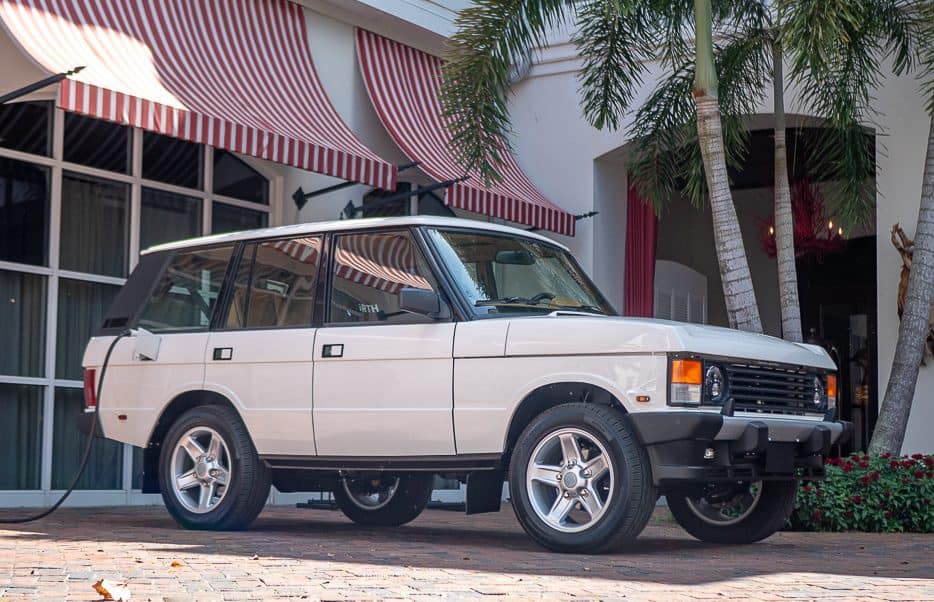
1994 Range Rover Classic
May 7, 2026
Jaguar E-Type Buying Guide: What $150K–$300K Actually Gets You
May 8, 2026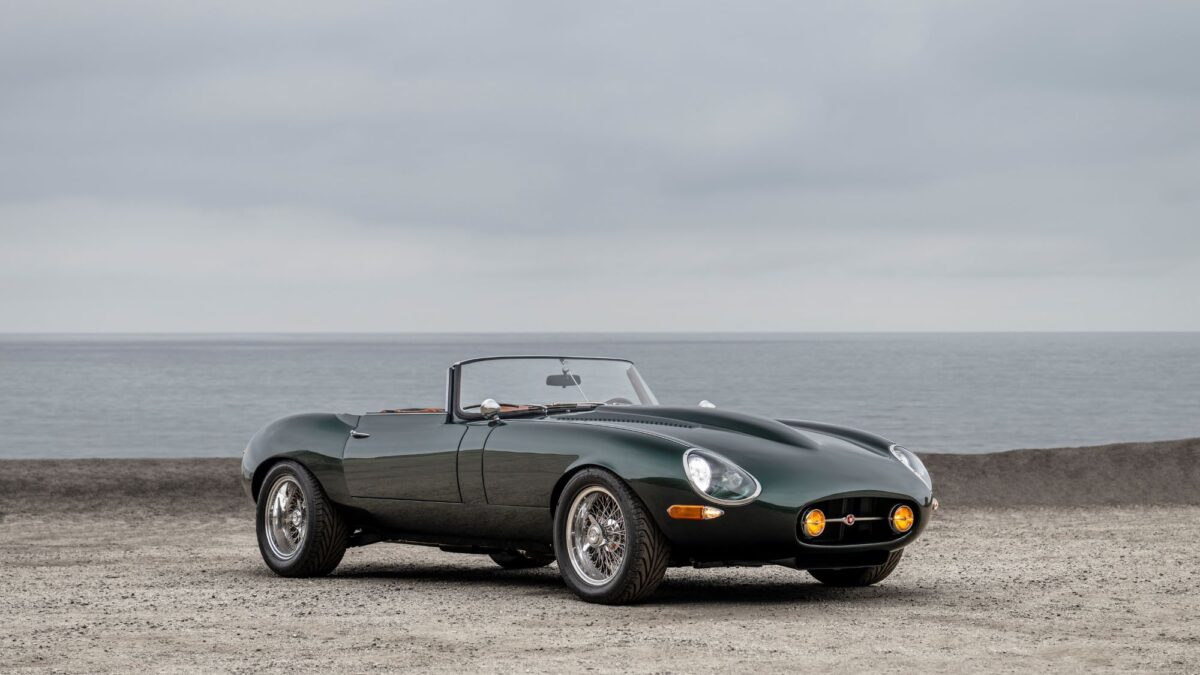
As enthusiasts of classic cars, we often find ourselves drawn to the timeless elegance and performance of vintage vehicles. Among these, the 1964 Jaguar E-Type stands out as a true icon of automotive design and engineering. In this article, we will delve into the fascinating history, unique features, and restoration tips for the E-Type, helping you appreciate this remarkable vehicle even more.
A Brief History of the 1964 Jaguar E-Type
The Jaguar E-Type was first introduced to the world in 1961, but it was in 1964 that the model truly began to capture the hearts of car enthusiasts everywhere. Designed by the legendary Malcolm Sayer, the E-Type was not just a beautiful car; it was a technical marvel of its time. With a top speed of over 150 mph, it was considered one of the fastest production cars available. The E-Type’s combination of stunning aesthetics and impressive performance made it a favorite among both drivers and collectors.
Design and Features
One of the most captivating aspects of the 1964 Jaguar E-Type is its design. The sleek lines, elongated bonnet, and distinctive rear end create a sense of motion even when the car is stationary. The E-Type’s body was primarily constructed from lightweight aluminum, which contributed to its speed and agility on the road. Inside, the car featured a luxurious leather interior, with a driver-focused cockpit that emphasized both style and comfort. For a deeper exploration of the design aspects, you can check out this article on Jaguar’s official site.
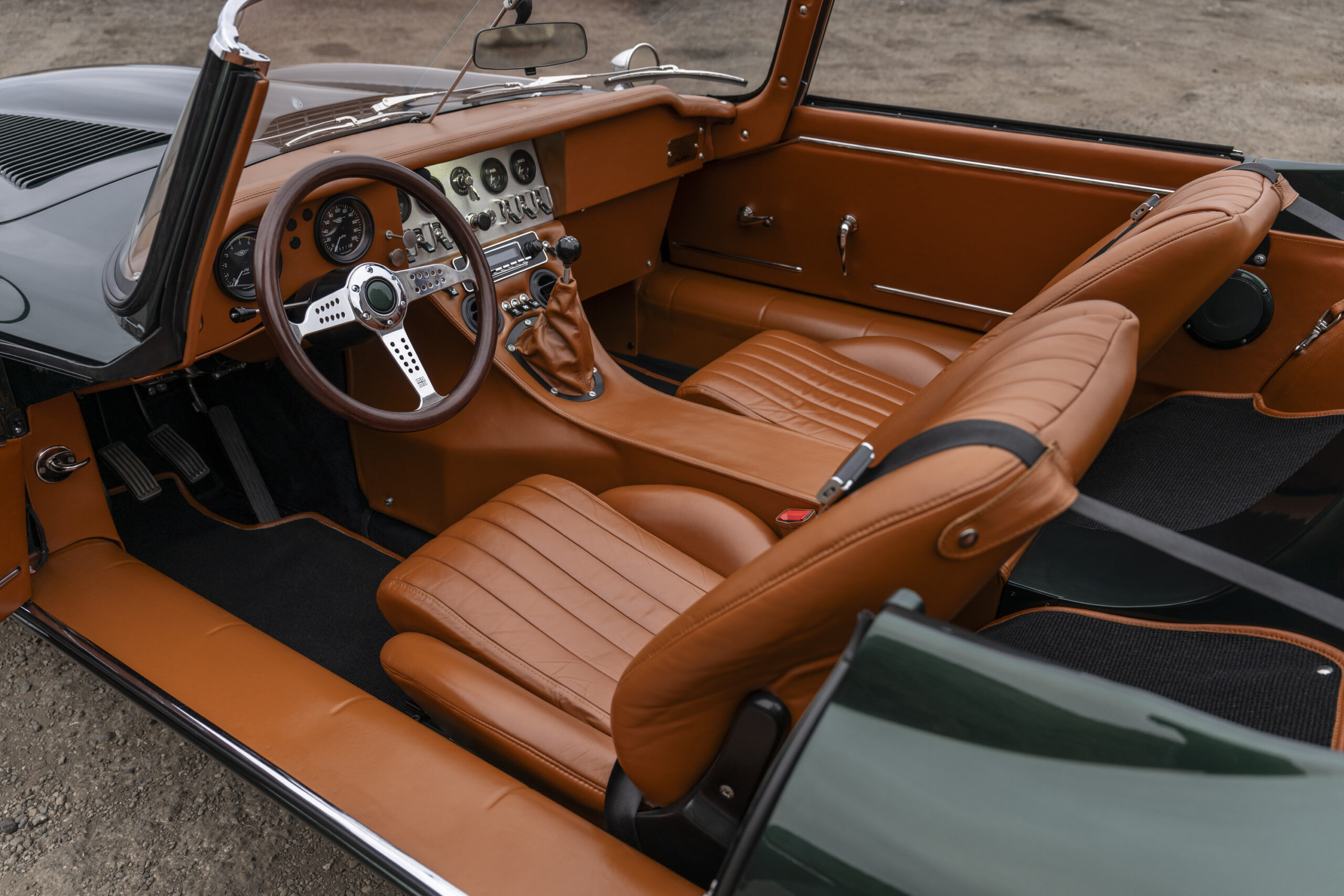
Restoration of the E-Type: What You Need to Know
Restoring a 1964 Jaguar E-Type is a rewarding endeavor, but it can also be a challenging one. As with any classic vehicle, the key to a successful restoration lies in understanding the car’s original specifications and features. Here are some essential tips for anyone looking to restore their E-Type:
1. Research and Documentation
Before diving into the restoration process, it’s crucial to gather as much information as possible. Look for original manuals, service books, and historical data about the specific model you are working on. This knowledge will guide you in making accurate restorations and modifications. Websites like Jaguar Clubs of North America can provide valuable resources and community support.
2. Originality vs. Modification
Deciding whether to maintain the car’s originality or to make modifications is a common dilemma for restorers. While keeping the E-Type as close to its original condition can enhance its value, some modifications can improve performance and drivability. It’s essential to strike a balance that reflects your passion for the vehicle while respecting its heritage.
3. Finding Quality Parts
One of the biggest challenges in restoring a classic car is sourcing high-quality parts. Fortunately, there are many aftermarket suppliers and specialists focusing on the Jaguar E-Type. Connecting with other enthusiasts and joining forums can help you find reputable sources for parts that match the quality of the originals.
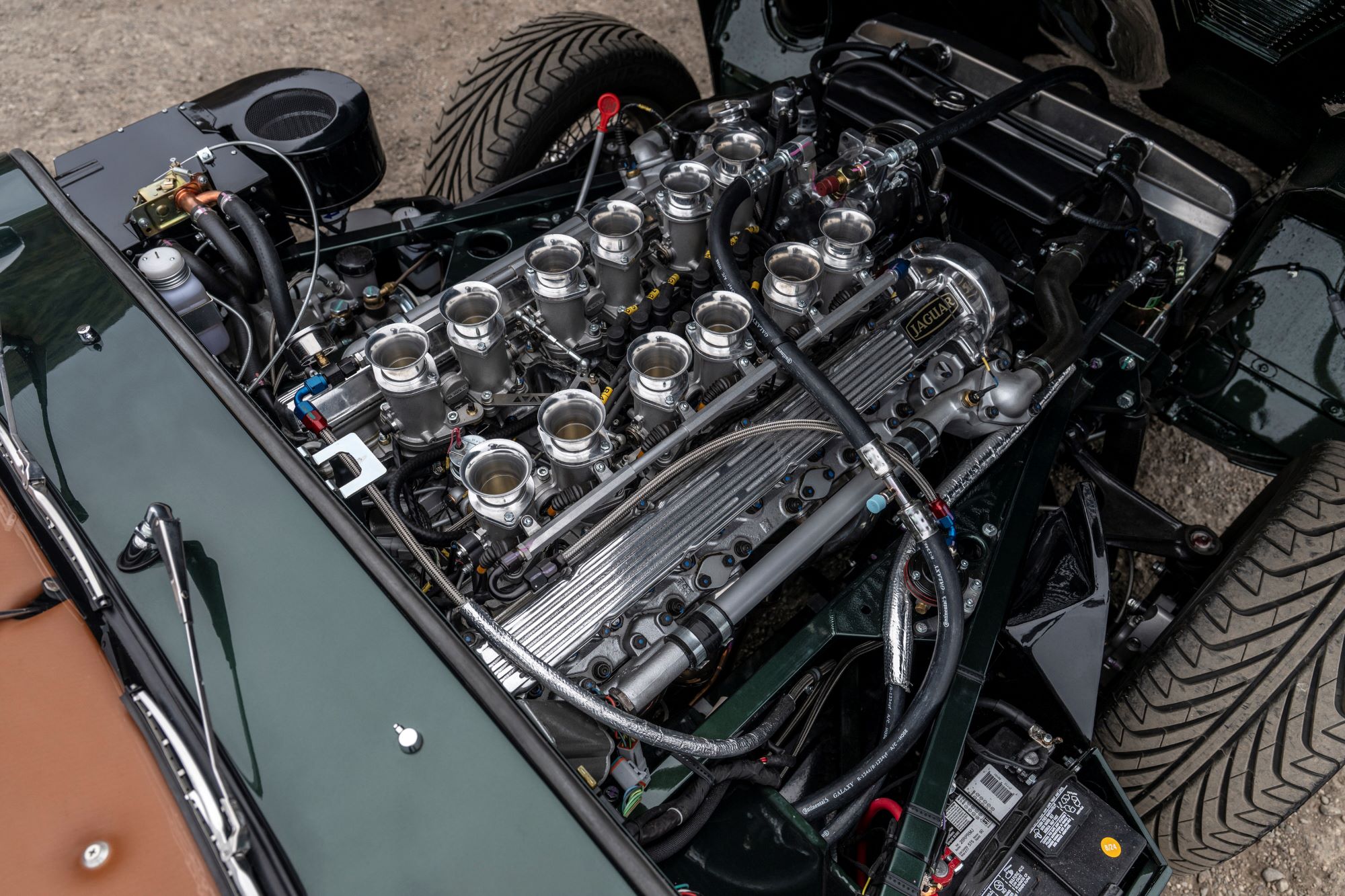
Driving the 1964 E-Type: An Unforgettable Experience
Once your E-Type is restored, taking it for a drive is perhaps the most rewarding part of the process. The feeling of the steering wheel in your hands, the sound of the powerful engine, and the admiring glances from passersby create an experience like no other. The E-Type is designed for driving enjoyment, and each journey allows you to connect with automotive history.
Conclusion
The 1964 Jaguar E-Type is more than just a car; it’s a piece of art that embodies the spirit of a bygone era. Whether you’re considering purchasing one, restoring a classic, or simply appreciating its beauty, the E-Type offers something special for everyone. As we celebrate this iconic vehicle, let’s continue to share our passion and knowledge within the community, ensuring that the legacy of the Jaguar E-Type endures for generations to come.
FREQUENTLY ASKED
QUESTIONS
No FAQs configured yet.