

Blog
Jaguar E-Type Buying Guide: What $150K–$300K Actually Gets You
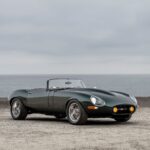
1964 Jaguar E-Type
May 7, 2026
1978 Porsche 911
May 8, 2026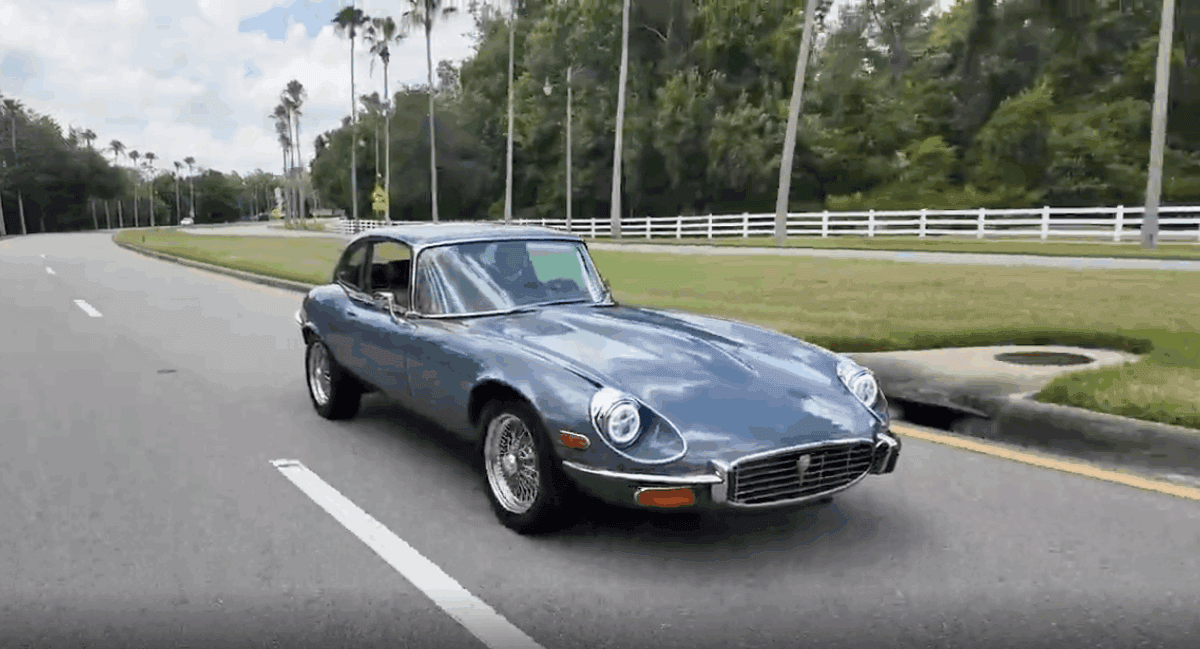
The Jaguar E-Type has long been considered one of the most beautiful cars ever built, but the modern collector market has pushed values into an entirely different category. Buyers entering the space today quickly discover that the difference between a $150,000 E-Type and a $300,000 example is not always obvious at first glance. Two vehicles may look similar in photos while offering completely different ownership experiences underneath the surface.
One of the biggest misconceptions in the market is that higher price automatically means higher quality. In reality, pricing often reflects a combination of restoration depth, originality, drivability, rarity, and the reputation of the builder or seller.
At the lower end of the six-figure range, buyers are typically entering the market for solid restored drivers. These vehicles often feature refreshed paint, updated interiors, rebuilt drivetrains, and cosmetic restoration work designed to make the car enjoyable for regular use. For many enthusiasts, this is actually the sweet spot. The vehicle maintains much of its original character while remaining accessible enough to drive without constant fear of damaging a museum-level investment.
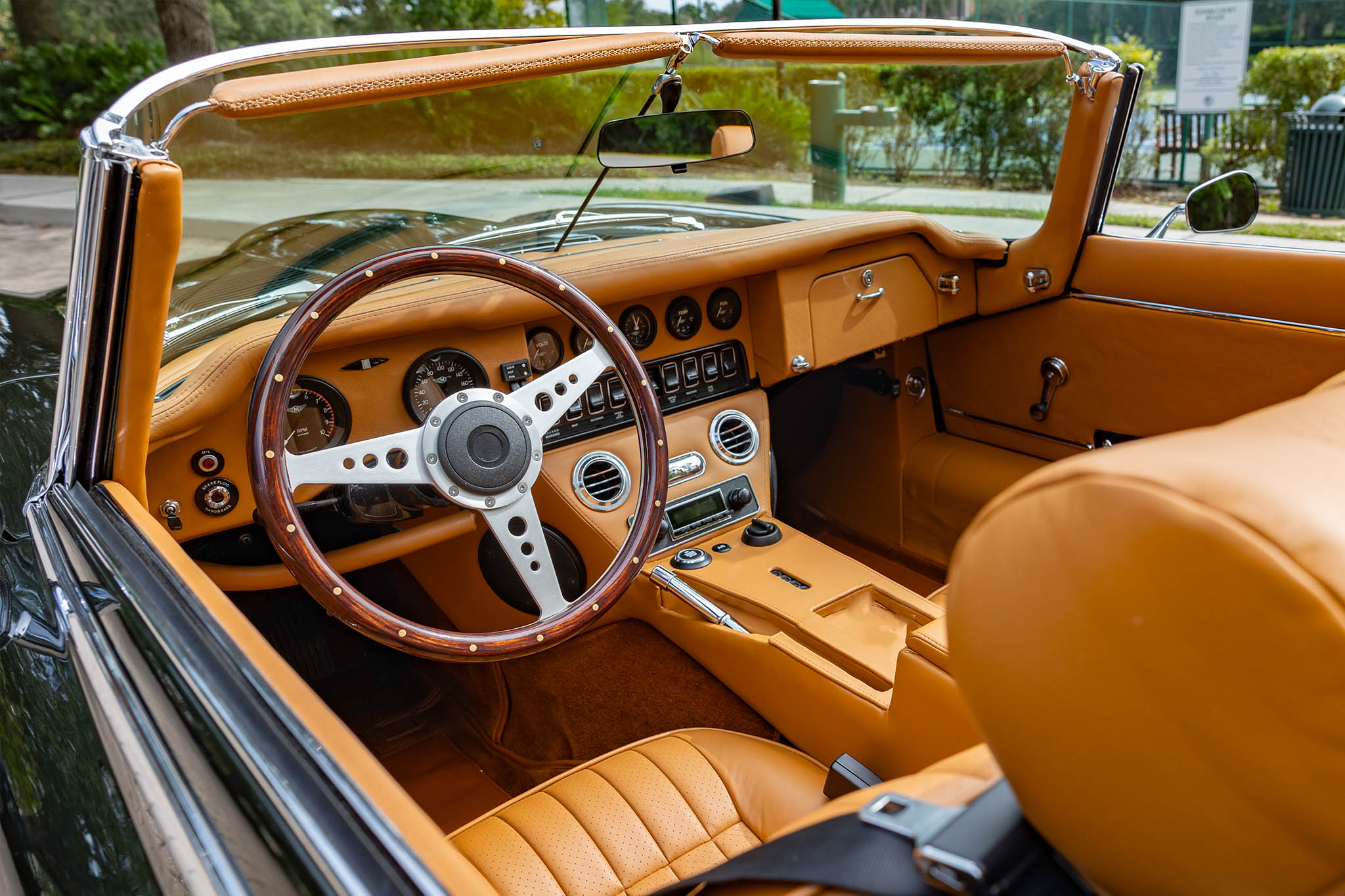
However, buyers should understand that not every restoration is equal. Some lower-priced builds prioritize visual improvements while leaving aging electrical systems, cooling components, suspension parts, or hidden rust areas untouched. The E-Type is known for timeless styling, but poorly executed restoration work can quickly turn ownership into a frustrating experience.
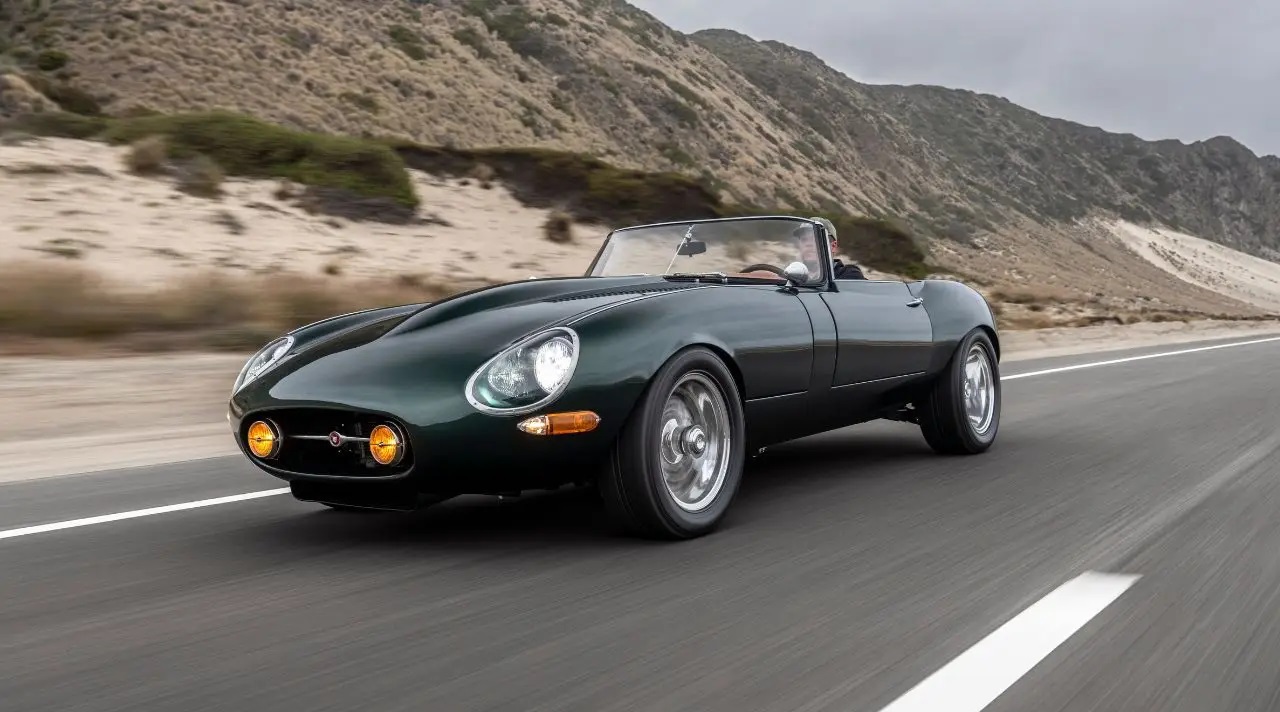
As prices move closer toward the $200,000–$300,000 range, buyers begin entering a very different category. This level often includes full nut-and-bolt restorations, highly detailed concours-quality work, rare specifications, or professionally engineered restomod builds that modernize the driving experience while preserving the original design language.
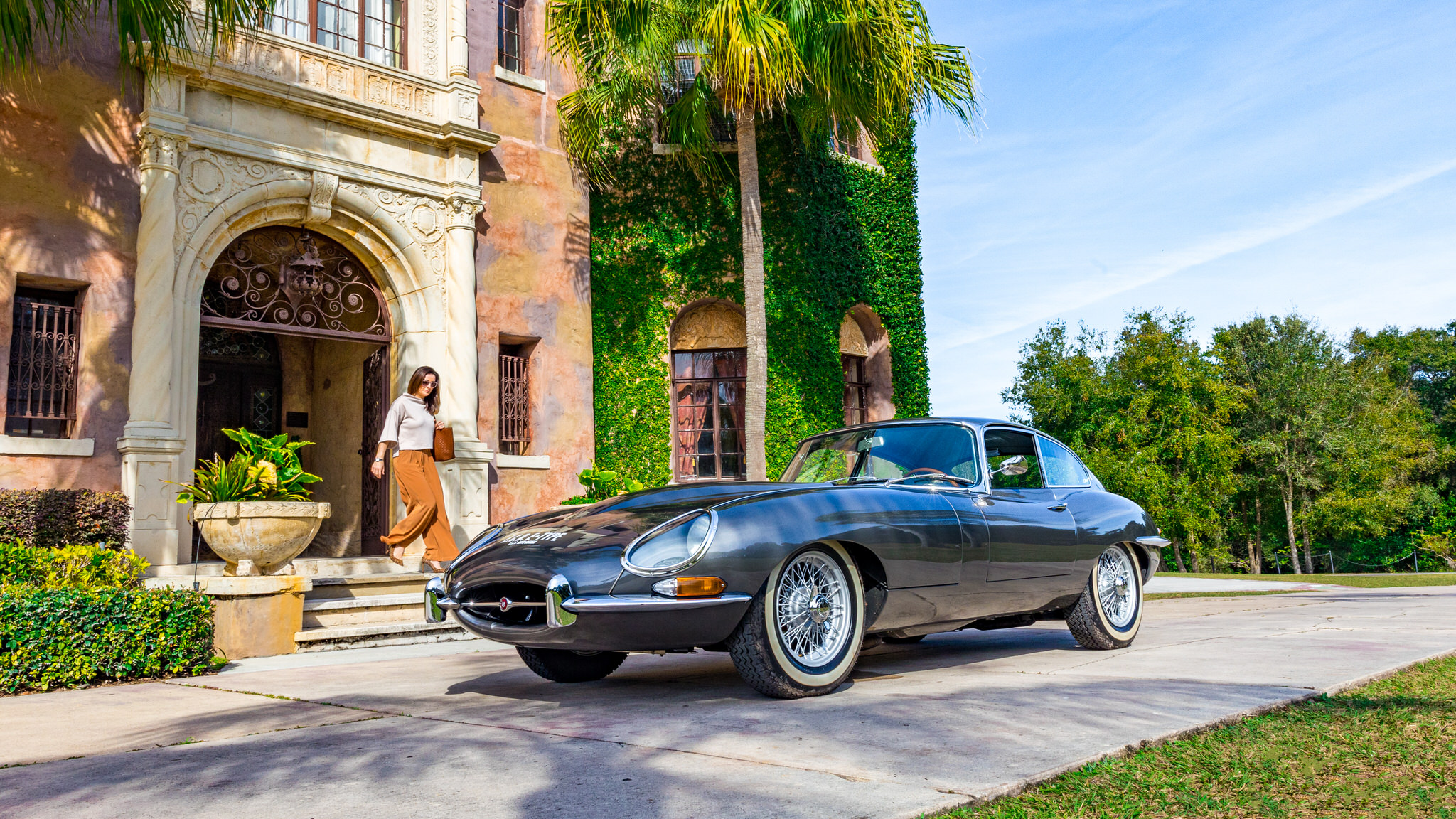
Jaguar etype
A high-end restored Jaguar E-Type at this level may feature fully reworked suspension systems, upgraded braking performance, refined interiors, improved reliability systems, and modern drivability enhancements that make the car far more enjoyable in real-world conditions. The difference is often felt more behind the wheel than seen in photos.
Buyers also need to decide early whether originality or usability matters more to them. Purists may prioritize matching numbers, factory-correct finishes, and historically accurate details. Others may prefer tasteful upgrades that improve comfort, reliability, and drivability. Neither approach is wrong, but understanding your ownership goals before purchasing is critical.
Another major factor affecting pricing is body style. Roadsters typically command stronger prices than fixed-head coupes, while Series 1 models remain among the most desirable versions in the market. Limited-production variants and properly documented restoration histories can also push values significantly higher.
The smartest buyers focus less on the headline price and more on the quality of execution. Documentation, restoration records, builder reputation, drivetrain quality, panel fitment, and long-term reliability matter far more than polished photos online.
At the end of the day, buying a Jaguar E-Type at this level is not simply about purchasing a classic car. It is about investing in an experience. The vehicles that justify six-figure pricing are the ones that combine timeless design, engineering quality, and a driving experience that still feels special decades later.
TOP RELATED STORIES
FREQUENTLY ASKED
QUESTIONS
No FAQs configured yet.