

Blog
Vintage Defender Restoration Checklist: What to Expect

What Owning a Defender Is Actually Like After the Honeymoon Phase
June 11, 2026
Custom Defender vs Range Rover Classic: Which Luxury SUV Ages Better?
June 15, 2026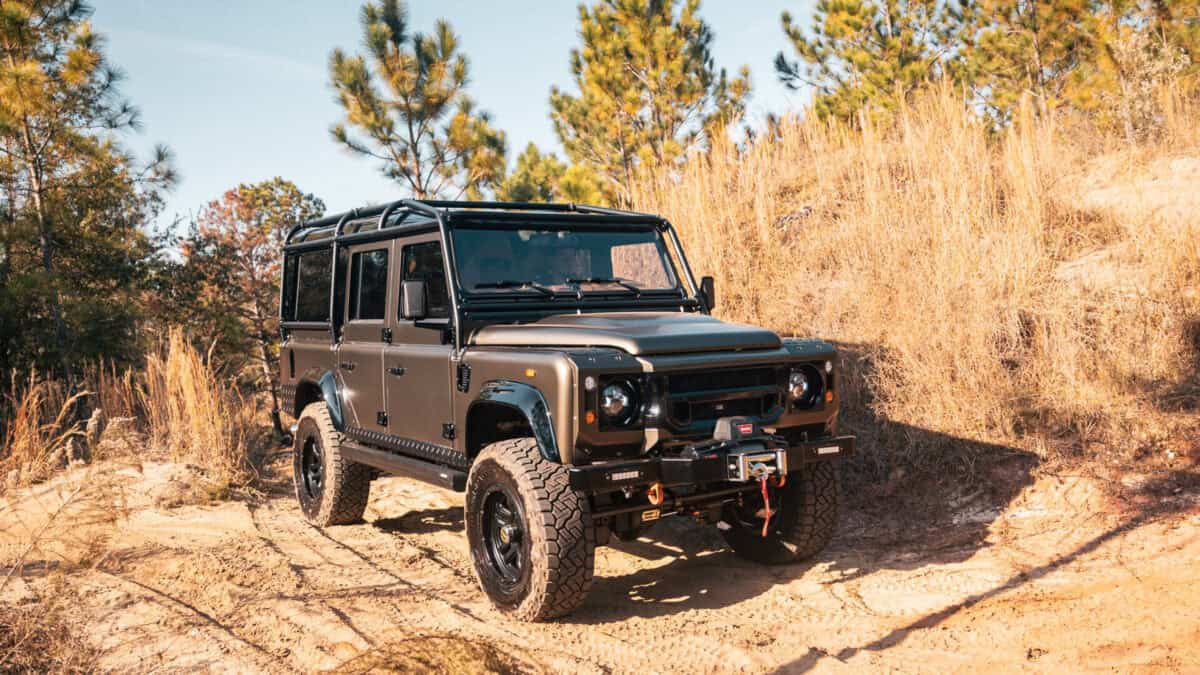
Restoring a vintage Defender is not just about making an old truck look new again. A proper restoration is about understanding the vehicle from the inside out, correcting decades of wear, and rebuilding it around how the owner actually plans to use it. Whether the goal is a faithful vintage feel or a fully custom Defender with modern performance and comfort, the process should be detailed, organized, and realistic from the beginning.

1. Start With the Vehicle’s Condition
The first step is evaluating the Defender’s true starting point. Many vintage Defenders look great in photos but hide issues underneath. Rust, frame damage, tired suspension, worn bushings, aging wiring, leaking seals, and previous repair work can all affect the scope of the build.
A good restoration checklist starts with:
- Frame and chassis inspection
- Bulkhead condition
- Door bottoms and hinges
- Floor pans
- Suspension components
- Brake system
- Steering system
- Electrical condition
- Engine and transmission health
- Signs of poor previous modifications
This inspection helps determine whether the vehicle is a strong candidate for restoration or whether deeper structural work is needed.
2. Decide Between Original, Restored, or Custom
Not every Defender restoration has the same goal. Some owners want a period-correct look with vintage charm. Others want a restored Defender that feels more comfortable, powerful, and refined for modern driving.
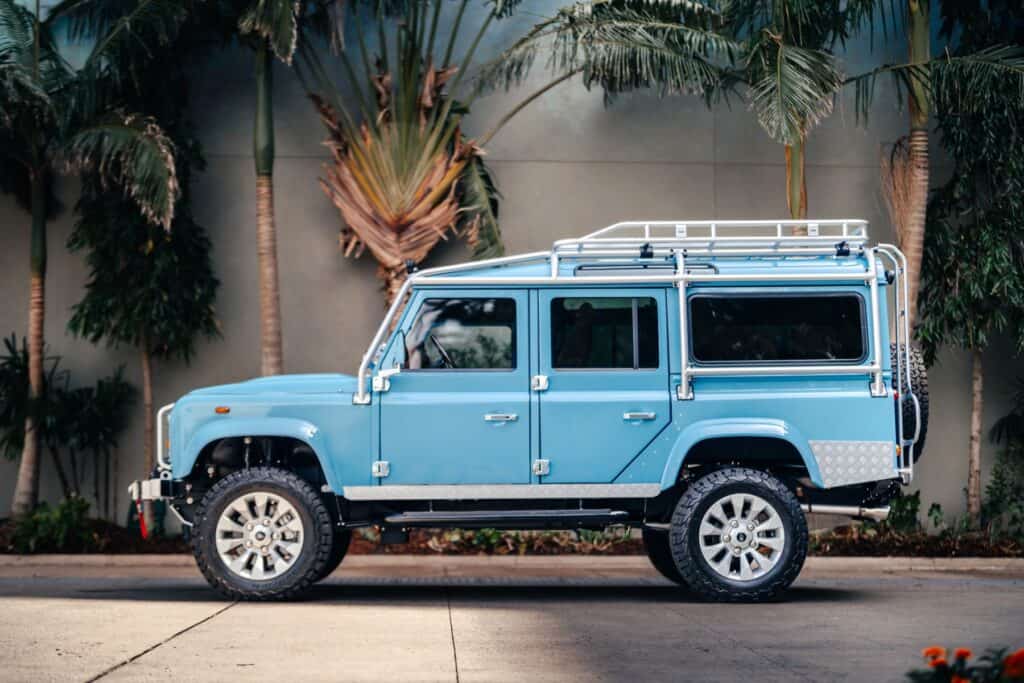
The main paths are:
Original-style restoration: Best for buyers who value factory character and vintage authenticity.
Restored Defender: Ideal for owners who want the classic look but with refreshed mechanical systems, paint, interior, and drivability.
Custom Defender build: Best for buyers who want modern performance, luxury materials, upgraded technology, and a one-of-one design.
At ECD, this planning stage is critical because every build is designed around the owner’s lifestyle, not just the vehicle’s original spec.
3. Review the Mechanical Systems
A vintage Defender restoration should always go deeper than cosmetics. Paint and upholstery matter, but the real ownership experience depends on how the truck drives, stops, turns, cools, and performs.
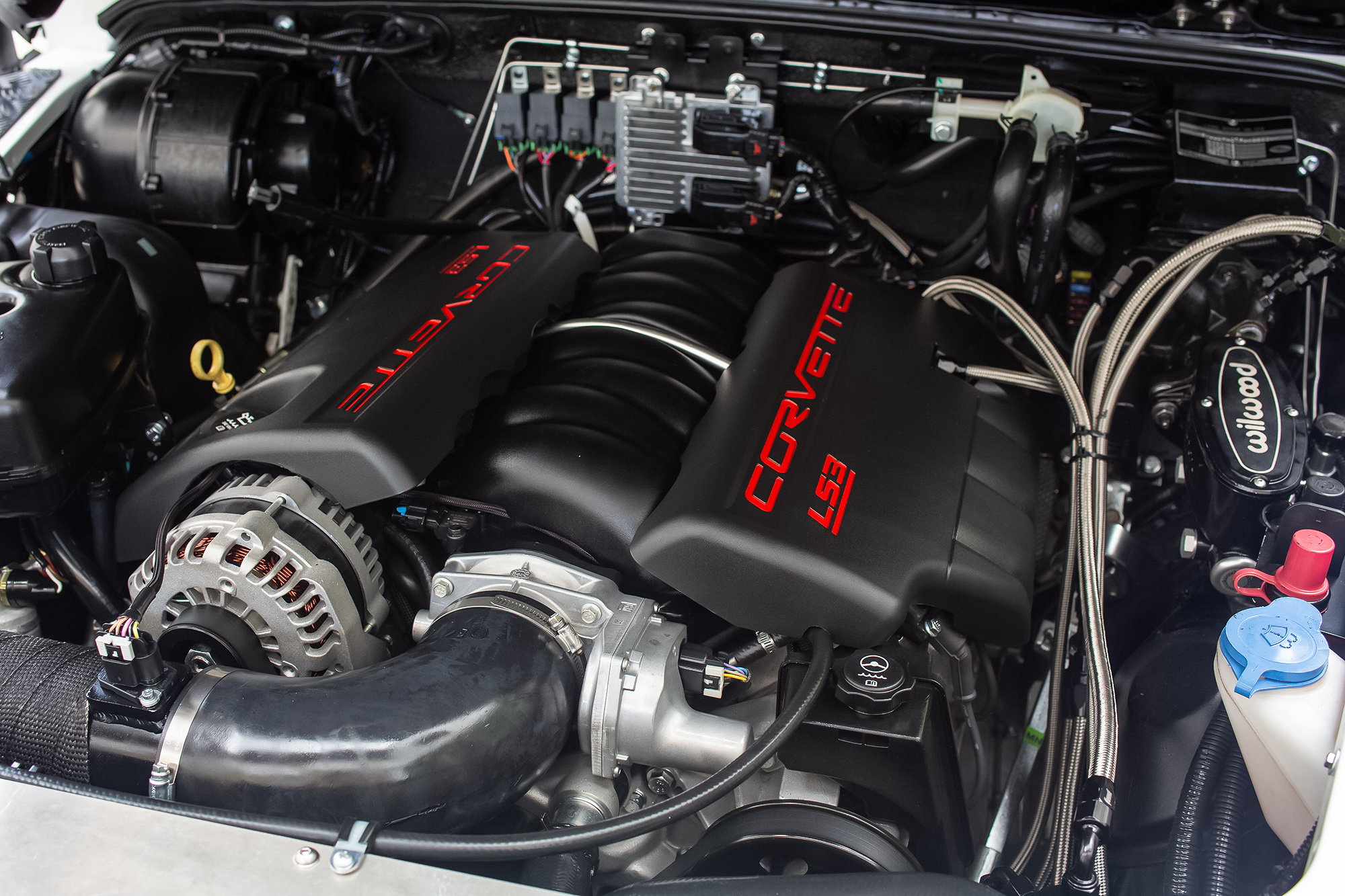
Key mechanical areas include:
- Engine choice
- Transmission
- Cooling system
- Brakes
- Suspension
- Steering
- Axles
- Exhaust
- Fuel system
- Drivetrain mounts and bushings
For many owners, this is where a custom Defender becomes more appealing. Modern powertrain options, improved braking, upgraded suspension, and refined drivability can make the vehicle much easier to enjoy beyond weekend use.
4. Plan the Interior Around Real Use
The interior should not be an afterthought. Once the honeymoon phase ends, comfort becomes a major part of ownership. Seat design, cabin layout, materials, sound control, air conditioning, storage, and technology all affect how often the Defender gets driven.
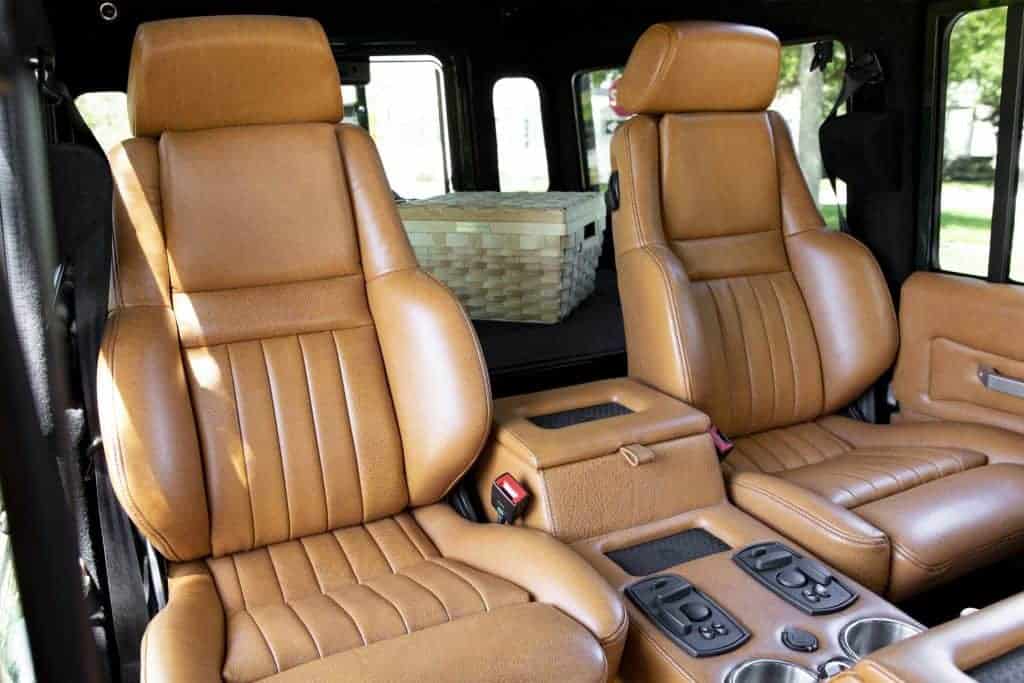
Interior checklist items include:
- Seating layout
- Leather or performance upholstery
- Flooring material
- Sound insulation
- Air conditioning
- Infotainment
- Audio system
- Charging ports
- Rear cargo setup
- Family, pet, or gear needs
A Defender 90 may be ideal for a more compact, fun build. A Defender 110 or 130 may make more sense for family use, travel, or added cargo space.
5. Set Expectations for Timeline and Cost
A true vintage Defender restoration takes planning. The more custom the build, the more decisions are involved. Paint color, trim, wheels, tires, interior materials, seating layout, engine choice, suspension feel, and technology all affect the final result.
Buyers should expect the process to include discovery, design, sourcing, teardown, fabrication, paint, assembly, testing, quality control, and delivery. The goal is not speed. The goal is a finished Defender that feels complete, cohesive, and built correctly.
6. Understand Long-Term Ownership
Even after restoration, a vintage Defender is still a classic vehicle. It should be maintained with the right expectations. Routine inspections, proper service, and attention to small details help protect the build over time.
The best restorations are not the ones that only look impressive on delivery day. They are the ones that continue to feel special after months and years of real use.
A vintage Defender restoration is a major investment, but when done properly, it creates something far more personal than a standard luxury SUV. It becomes a vehicle with history, craftsmanship, and character, rebuilt around the way you actually want to live with it.
TOP RELATED STORIES
FREQUENTLY ASKED
QUESTIONS
No FAQs configured yet.