

Blog
Why Buyers Are Spending $200K+ on Custom Classics Instead of New Exotics
Land Rover Defender vs Chevrolet K5 Blazer: Which One Holds Value Better?
May 25, 2026
What Makes a Restomod Feel “Worth It” vs Overpriced
May 29, 2026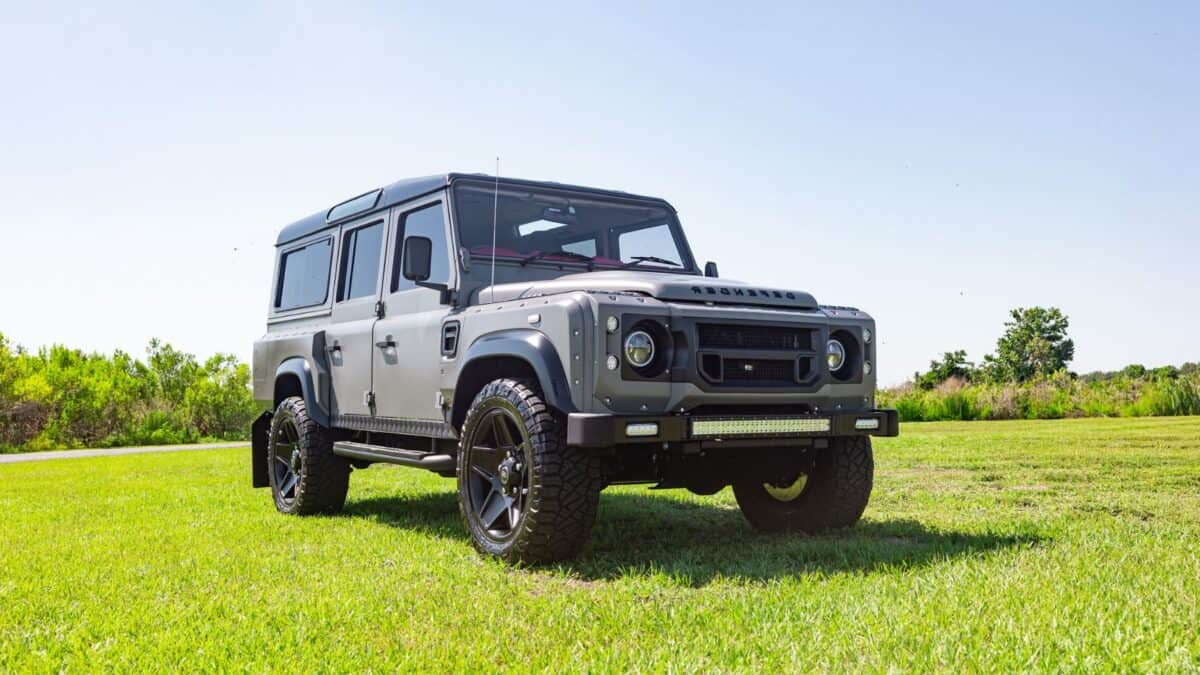
For years, the dream garage was easy to define: a Ferrari, Lamborghini, McLaren, Porsche GT car, or another new exotic that announced success the moment it pulled up. But a growing number of high-net-worth buyers are choosing a different path. Instead of spending $200,000, $300,000, or even more on a modern exotic, they are putting that money into custom classics.
The reason is simple: a new exotic is impressive, but a custom classic feels personal.
A modern supercar may be faster on paper, but a properly built custom Defender, Range Rover Classic, Jaguar E-Type, Mustang, K5 Blazer, FJ40, or Porsche restomod offers something many new vehicles struggle to deliver: character, craftsmanship, nostalgia, and individuality in one package.
New Exotics Are Fast, But They Can Feel Predictable
There is no denying the appeal of a new exotic. They offer incredible speed, advanced engineering, brand prestige, and instant recognition. But for buyers who already have access to luxury cars, the experience can start to feel familiar.
Many modern exotics follow the same formula: aggressive styling, digital screens, dual-clutch transmissions, carbon fiber, drive modes, and eye-watering performance numbers. They are technically brilliant, but they are also mass-produced within the boundaries of a brand’s design language.
That is where custom classics stand apart. A custom classic is not just selected from a dealer inventory list. It is imagined, specified, built, refined, and finished around the buyer’s personal taste.
Custom Classics Give Buyers Something No One Else Has
The biggest reason buyers are spending $200K+ on custom classics is exclusivity. Not artificial exclusivity based on dealer allocation, but real individuality.
A buyer can choose the paint, leather, stitching, wheel setup, powertrain, suspension, technology, seating layout, trim materials, and overall personality of the vehicle. The final product does not feel like “one of 500.” It feels like one of one.
That matters deeply in the luxury market. At a certain income level, the question is not simply, “What can I afford?” It becomes, “What reflects my taste?”
That is why restomod builders have gained so much attention. Singer Vehicle Design, for example, built its reputation around personalized restorations of Porsche 911s, beginning with an owner-supplied Type 964 Porsche 911 and reimagining it through extensive craftsmanship and engineering. Theon Design’s latest 911 restomod reportedly starts around $585,000 before additional costs and requires around 6,000 build hours, showing just how far the premium custom market has moved beyond basic restoration.
The Appeal Is Emotional, Not Just Financial
A new exotic may impress people. A custom classic often connects with them.
That is a major difference.
A classic Mustang can remind someone of American performance culture. A Jaguar E-Type can feel like rolling sculpture. A Defender or Range Rover Classic can bring together adventure, heritage, and luxury. A K5 Blazer can represent old-school Americana with modern usability.
These vehicles carry stories before the build even begins. When modern craftsmanship is added, the result becomes more than transportation. It becomes a personal statement.
For many buyers, that emotional connection is worth more than a faster 0–60 time.
Modern Performance Makes Classics Easier to Live With
The old argument against classics was simple: they were beautiful, but inconvenient. They leaked, rattled, overheated, lacked modern safety, and were not always easy to drive in traffic.
Custom classics solve much of that problem.
Today’s high-end builds can include modern drivetrains, upgraded brakes, improved suspension, air conditioning, premium audio, digital displays, backup cameras, sound insulation, and luxury interiors. The goal is not always to erase the classic feel. The goal is to keep the soul while removing the frustration.
That is why buyers are willing to pay serious money. They are not just buying an old vehicle. They are buying classic design with modern confidence.
The Market Supports the Shift
The broader restoration and restomod space is no longer a niche hobby. One recent market report projected the classic car restoration and restomod services market could reach $14.4 billion by 2036, driven by premium custom builds and demand for modernized vintage vehicles.
At the same time, the collector market has changed. Hagerty has noted that newer generations of collectors are increasingly focused on driving experiences rather than simply owning cars to admire in storage. That shift helps explain why custom classics are gaining ground. Buyers want vehicles they can use, enjoy, and show with pride.
Why $200K+ Makes Sense to the Right Buyer
To an average buyer, $200,000 for a custom classic may sound extreme. But in the luxury vehicle world, that number sits directly in the same conversation as a new Porsche 911 Turbo, Aston Martin, Bentley, Ferrari, Lamborghini, or high-end Mercedes-AMG.
The difference is that a custom classic gives the buyer more control.
Instead of accepting what a manufacturer decided, the buyer gets to shape the vehicle around their lifestyle. A custom build can be elegant, aggressive, adventurous, family-friendly, track-inspired, or fully bespoke. That level of personalization is difficult to match with a standard new exotic.
The Real Reason Buyers Choose Custom Classics
Buyers are not walking away from new exotics because exotics are no longer desirable. They are doing it because custom classics offer a different kind of luxury.
They offer heritage.
They offer presence.
They offer craftsmanship.
They offer personalization.
They offer the feeling that the vehicle was built for one person, not a market segment.
A new exotic may be faster, but a custom classic can feel more meaningful. And for buyers spending $200K+, meaning is often the real luxury.
TOP RELATED STORIES
FREQUENTLY ASKED
QUESTIONS
No FAQs configured yet.