

Top 5 Mustang Museum of America Alternatives 2026
July 6, 2026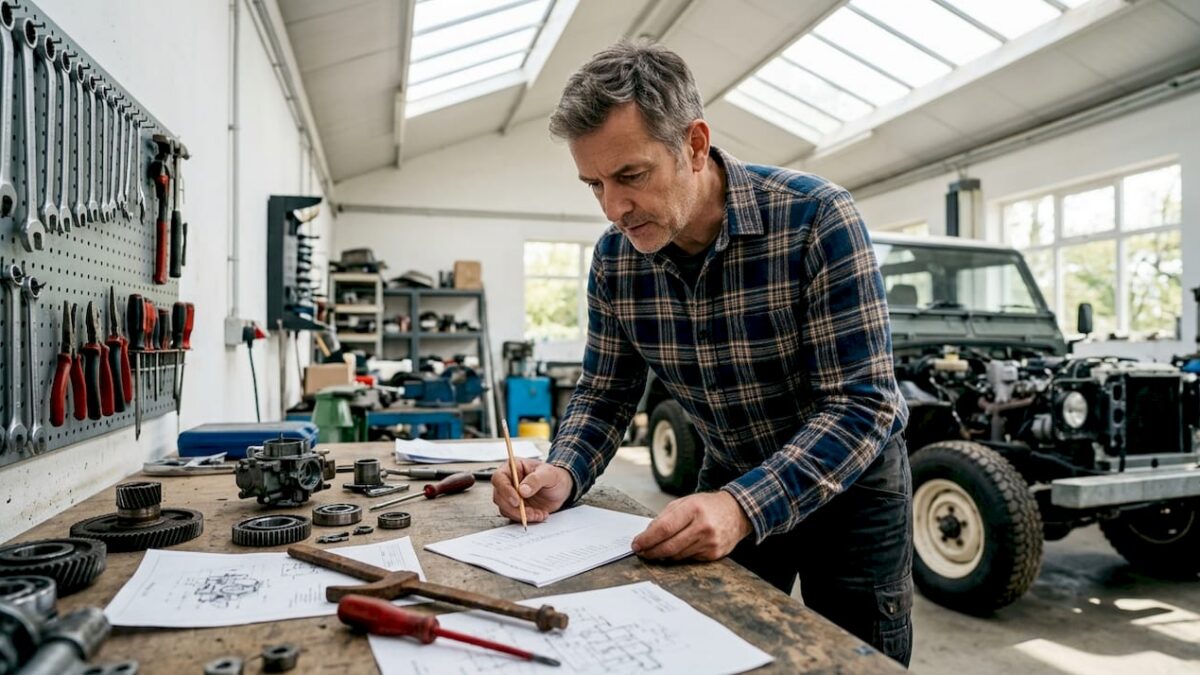
A classic SUV build specification checklist is the structured roadmap that separates a successful restomod from an expensive mistake. Whether you are restoring a Series Land Rover or transforming a vintage Defender into a bespoke daily driver, every decision from chassis selection to interior trim must follow a deliberate sequence. The industry term for this process is a “build specification document,” and it covers mechanical, electrical, structural, and aesthetic requirements in a single reference. This guide delivers that checklist in full, backed by expert standards and real build data, so you can plan with confidence from acquisition to final detail.
1. How to select and prepare the base vehicle
The base vehicle is the foundation of every build decision that follows. Defining your primary use case before you purchase dictates specifications from transmission choice to tire selection and interior finish. A vehicle intended for daily highway driving demands different structural priorities than one built for serious off-road use.
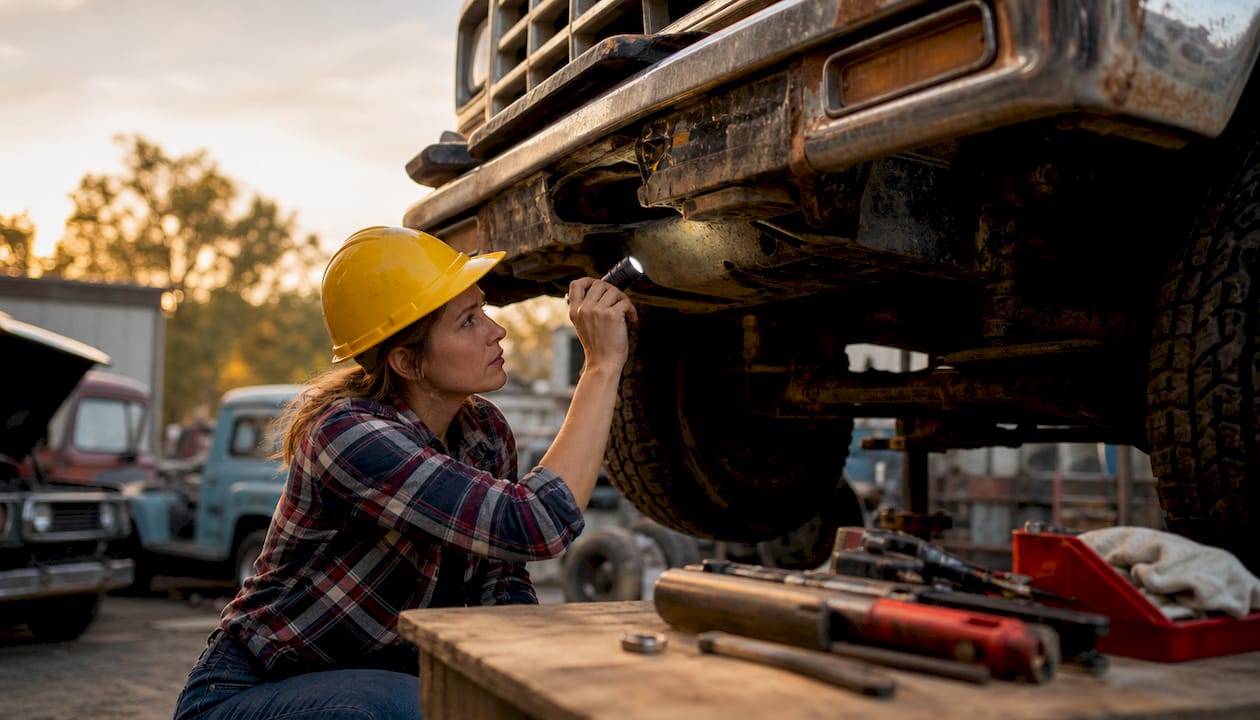
Classic SUV base models vary widely in price and condition. Solid donor vehicles range from $6,000 to $28,000 depending on model and condition, while ground-up bespoke builds can reach $180,000 to over $300,000. Series Land Rovers typically fall in the $6,000–$22,000 range, Discoverys in the $6,000–$12,000 range, and Defenders at $15,000–$35,000 and above. That price spread reflects provenance, rust history, and parts availability.
Your acquisition checklist should cover these structural priorities:
- Chassis integrity: Inspect all four chassis rails for cracks, previous welds, and corrosion.
- Rust assessment: Focus on bulkhead corners, floor pans, sill sections, and outriggers. These are the most common failure points on classic Land Rovers.
- Mechanical baseline: Confirm whether the engine runs, the gearbox shifts cleanly, and the transfer case engages both ranges.
- Parts availability: Verify that replacement panels, seals, and mechanical components are still in production or available through specialist suppliers.
- Title and provenance: Confirm a clean title and, where possible, documented service history.
Pro Tip: Bring a magnet to any pre-purchase inspection. Body filler hides rust repairs on classic SUVs, and a magnet will not stick to filler-filled panels the way it sticks to bare steel.
2. What are the essential mechanical and drivetrain upgrades on your checklist?
Mechanical upgrades form the core of any serious vintage SUV build. The sequence matters as much as the parts themselves. Completing mechanical work out of order creates expensive rework and, in some cases, safety hazards.
Follow this sequence for drivetrain and mechanical work:
- Engine selection and fitment. The GM LS3 V8 and LT1 engines are the industry standard for reliable highway performance in classic SUV builds. The LS3 produces 430 horsepower; the LT1 produces 460 horsepower with direct injection and variable valve timing. Both require custom engine mounts and fabricated transmission tunnels to fit a classic chassis correctly.
- Transmission upgrade. The 6L80E six-speed automatic is the preferred pairing for LS-family engines. It delivers smooth shifts and handles the increased torque output that classic gearboxes cannot manage. Custom modifications to the transmission tunnel are required for fitment.
- Suspension recalibration. Heavy engine swaps shift weight distribution significantly, requiring immediate suspension recalibration to maintain handling and reduce premature wear. Springs and dampers must be respecified after the engine is installed, not before.
- Chassis stiffening. Subframe connectors increase torsional rigidity by up to 40% compared to an unmodified classic chassis. That added rigidity directly improves handling precision and reduces body flex on uneven terrain.
- Brake system upgrade. Four-wheel disc brakes with a modern proportioning valve are the minimum standard for any build pairing a modern engine with a classic chassis. Stopping distances on vintage drum systems are incompatible with the power output of a 430-horsepower V8.
- Driveline angle verification. Maintaining driveline angles between 1 and 3 degrees is critical, especially on lowered builds. Angles outside this range cause high-speed vibrations and accelerate U-joint and bearing failure.
Pro Tip: For a clean engine swap, follow a long block installation guide to confirm correct torque specs, coolant routing, and accessory drive alignment before the engine goes into the chassis.
Statistic callout: Subframe connectors increase torsional rigidity by up to 40%, and LED lighting conversions improve nighttime visibility by 200% compared to vintage sealed-beam units. These two upgrades deliver measurable performance gains at relatively low cost compared to drivetrain work.
3. How to integrate modern electrical and lighting systems
Electrical upgrades are the most underestimated category in classic SUV builds. Vintage wiring harnesses are brittle, undersized for modern loads, and a genuine fire risk when paired with high-draw accessories. A full new wiring harness is the correct solution. Patchwork repairs to original looms create fault points that are nearly impossible to diagnose years later.
Your electrical checklist should include:
- Full wiring harness replacement: Install a purpose-built harness rated for the vehicle’s total electrical load, including all accessories and infotainment.
- LED lighting conversion: LED headlights and auxiliary lights improve nighttime visibility by 200% over vintage sealed-beam units. That improvement is not cosmetic. It is a genuine safety upgrade.
- Fuse and relay modernization: Replace glass fuses with blade-type fuse blocks and add dedicated relays for high-draw circuits like winches and compressors.
- Infotainment integration: Modern head units, backup cameras, and Bluetooth connectivity can be installed without altering the classic dashboard profile when planned correctly.
- ECU concealment: Engine management systems, amplifiers, and junction boxes should be mounted out of sight in the firewall cavity or under seats.
The guiding philosophy here is “Invisible Tech.” Integrating modern components discreetly preserves the vehicle’s period aesthetic while delivering the reliability of a new build. A classic Defender interior should look like 1985. It should perform like 2026.
“The goal is a vehicle that surprises you with its capability. The technology should be invisible. The character should be unmistakable.”
You can see this philosophy applied in practice through Ecdautodesign’s approach to modernizing classic Defenders, where every modern system is engineered to disappear behind the original aesthetic.
4. What cosmetic and finishing touches are critical in the build checklist?
Cosmetic work is the final act, not the opening one. Painting or installing upholstery before rust repairs are complete traps moisture, accelerates corrosion, and forces costly dismantling later. Structural integrity must be confirmed before any surface finish work begins.
| Finishing Category | Key Specification Points |
|---|---|
| Body preparation | Media blast to bare metal, treat all rust, weld new panels before primer |
| Paint process | Epoxy primer, high-build surfacer, color coat, clear coat minimum |
| Color matching | Client-specified RAL or custom-mixed color with spectrophotometer verification |
| Interior upholstery | Full-grain leather, Alcantara, or period-correct vinyl with modern foam density |
| Climate control | Vintage-style vents concealing a modern HVAC system with dual-zone capability |
| Storage solutions | Drawer systems, roof racks, and cargo nets specified to the vehicle’s intended use |
Pro Tip: Specify your paint color before the body goes into primer. Color affects the number of coats and the primer shade required. Changing color mid-build adds days of rework and significant cost.
Interior choices should reflect the vehicle’s intended use. A daily driver benefits from heated seats, modern climate control, and a discreet infotainment screen. An off-road build prioritizes waterproof materials, drainage channels in the floor, and grab handles positioned for trail use. Both can be beautiful. The specification document is what keeps the build honest.
5. What is the recommended modification sequence for classic SUV builds?
The correct modification sequence for classic SUV builds follows a clear logic: function and safety before aesthetics, structure before surface, mechanical before electrical.
- Tires and recovery gear. Terrain-appropriate tires are the single highest-impact first modification. They affect ground clearance, load rating, and the vehicle’s ability to self-recover. Recovery points and a rated tow hitch follow immediately.
- Underbody protection. Skid plates for the engine, transfer case, and fuel tank protect the mechanical work you have already invested in. Install these before the vehicle leaves the workshop for any testing.
- Suspension tuning. After the engine swap and chassis stiffening are complete, respecify springs, dampers, and alignment. Suspension tuned to the final vehicle weight delivers predictable handling.
- Lighting systems. LED headlights, rock lights, and auxiliary driving lights come after mechanical work is signed off. Electrical load calculations must account for the full lighting spec.
- Storage and accessories. Roof racks, drawer systems, and external storage are fitted after the body is in final paint. Drilling into fresh paint without a plan creates rust entry points.
- Cosmetic detailing. Final paint correction, interior installation, and badging are the last items on the checklist. They protect and celebrate everything built beneath them.
This sequence is not arbitrary. Each stage creates the conditions for the next to succeed. Skipping steps does not save time. It creates rework.
Key Takeaways
A successful classic SUV build requires a documented specification plan that sequences mechanical, electrical, and cosmetic work in the correct order, from chassis assessment through final detail.
| Point | Details |
|---|---|
| Define use case first | Your intended use dictates every specification from transmission to tire compound. |
| Sequence mechanical before cosmetic | Rust repairs and drivetrain work must be complete before paint or upholstery begins. |
| Upgrade the full wiring harness | Patchwork electrical repairs create future fault points; a new harness is the correct standard. |
| Recalibrate suspension after engine swaps | Heavy engine changes shift weight distribution and require immediate suspension respecification. |
| Apply Invisible Tech principles | Conceal modern components to preserve period aesthetics while delivering modern reliability. |
The build decisions that actually cost you money
The most expensive mistakes in classic SUV builds are not the parts. They are the sequences. I have seen builds where the interior was installed before the bulkhead rust was fully treated. Six months later, the owner was pulling out $14,000 worth of leather to address moisture damage that was entirely preventable. The checklist exists precisely to prevent that scenario.
Weight management in engine swaps is the most underrated specification decision on any classic off-road vehicle build. Builders obsess over horsepower figures and overlook the fact that an LS3 V8 changes the front-to-rear weight balance of a classic Defender meaningfully. That imbalance shows up as premature front tire wear, vague steering, and unpredictable behavior at the limit. Suspension recalibration is not optional after a heavy swap. It is the swap.
The other mistake I see consistently is building without a defined use case. Enthusiasts who want a vehicle that does everything often end up with one that does nothing particularly well. A classic Defender built for daily use has a fundamentally different specification than one built for trail use. Both are valid. Trying to split the difference without a clear specification document produces compromises that satisfy neither goal.
Patience is the rarest material in any build. The enthusiasts who produce the finest restomods are the ones who refuse to rush the structural work in favor of getting to the glamorous finishing stages. The paint and leather are what you see. The chassis and wiring are what you live with.
— Evolve
Ecdautodesign’s approach to bespoke classic SUV builds
Ecdautodesign has built its reputation on the exact principles this checklist describes: meticulous ground-up restoration, modern mechanical performance concealed within period-correct aesthetics, and a specification process that begins with the client’s use case and ends with a vehicle that is genuinely theirs.
Every Ecdautodesign build starts with a documented specification that covers chassis, drivetrain, electrical systems, and interior finish before a single panel is touched. The result is a custom Defender build that delivers modern reliability, bespoke craftsmanship, and the unmistakable character of a classic Land Rover. If you are planning a classic SUV project and want a specification process backed by years of coachbuilt expertise, Ecdautodesign is the atelier to contact first.
FAQ
What is a classic SUV build specification checklist?
A classic SUV build specification checklist is a structured document covering chassis condition, drivetrain selection, electrical systems, and cosmetic finish requirements for a restomod project. It sequences every build decision to prevent costly rework and ensure the finished vehicle meets performance and aesthetic goals.
What engine is best for a classic SUV restomod?
The GM LS3 V8 at 430 horsepower and the LT1 at 460 horsepower are the industry standard choices for classic SUV builds requiring reliable highway performance. Both require custom mounts and fabricated transmission tunnels for correct fitment in a classic chassis.
Why does modification sequence matter in a classic SUV build?
Incorrect sequencing, such as painting before rust repairs are complete, traps moisture and forces expensive dismantling later. The correct order is mechanical and structural work first, electrical systems second, and cosmetic finishing last.
How much does a classic SUV base vehicle cost?
Solid donor vehicles for classic SUV builds range from $6,000 to $28,000 depending on model and condition. Series Land Rovers start around $6,000, while Defenders typically begin at $15,000 and rise significantly based on provenance and mechanical status.
What is “Invisible Tech” in a classic SUV build?
Invisible Tech is the design practice of concealing modern components, including ECUs, wiring harnesses, and infotainment systems, so they do not alter the vehicle’s period-correct interior aesthetic. The goal is modern reliability delivered through a classic visual experience.
Recommended
- Instead of the new SUV, try the Classic Defender – Custom Defender | Restored Defender Specialists | ECD Auto Design
- Blog – Custom Defender | Restored Defender Specialists | ECD Auto Design
- Blog – Custom Defender | Restored Defender Specialists | ECD Auto Design
- 5-speed Manual LS3 Defender 110 Crew-cab 4×4 – Custom Defender | Restored Defender Specialists | ECD Auto Design
FREQUENTLY ASKED
QUESTIONS
No FAQs configured yet.